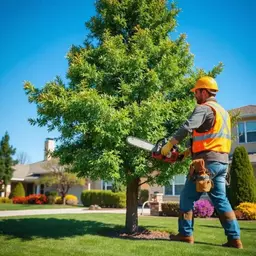
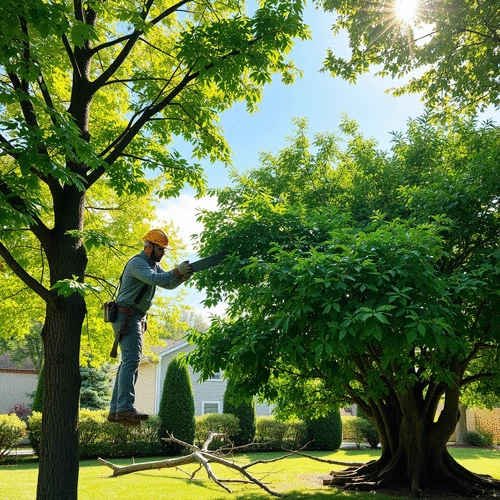
Did you know that properly pruned trees can enhance your property’s curb appeal while also promoting healthier growth? Investing in professional tree pruning services is more than just an aesthetic choice; it's essential for the longevity and vitality of your trees.
What You Will Learn
- Tree pruning services involve various techniques, such as crown cleaning, thinning, and reduction, each serving specific purposes for tree health and aesthetics.
- Regular pruning enhances tree health by removing dead or diseased branches, reducing the risk of pest infestations.
- Professional pruning improves safety by eliminating weak branches that may pose a risk during storms or high winds.
- Properly pruned trees can significantly boost curb appeal, making properties look more inviting and well-maintained.
- Infographics can effectively illustrate pruning techniques and their benefits, making it easier for homeowners to understand tree care.
- Understanding the frequency of pruning—annual for young trees, every 3-5 years for mature trees, and annually for fruit trees—helps maintain tree health.
- Regular tree health assessments can catch issues early, ensuring trees remain robust and resilient over time.
- Researching and reading reviews of tree services can guide homeowners in selecting quality arborists for their tree care needs.
Key Tree Pruning Techniques and Their Benefits
Understanding various tree pruning techniques can greatly enhance tree health and aesthetics. Here are essential techniques and their benefits presented visually.
Crown Cleaning
Removing dead or diseased branches enhances tree health and prevents disease spread.
Crown Thinning
Reduces branch density for better light penetration and airflow, promoting healthier foliage.
Crown Reduction
Lowering the height or spread of the tree while maintaining its natural shape enhances aesthetics.
Tree Reshaping
Adjusting the structure improves growth and can prevent damage during storms.
Understanding Tree Pruning Services and Their Importance
Tree pruning is an essential part of maintaining the health and beauty of your trees. It involves strategically cutting away certain parts of a tree, like branches or roots, to improve its structure and growth. As an arborist, I've seen firsthand how effective pruning can transform a tree and even enhance the overall look of a yard! To ensure you're getting the best care, it's vital to know key questions when hiring arborists.
When we talk about tree pruning services, we’re referring to a specialized practice aimed at ensuring trees grow healthy while also considering their aesthetics. Professional arborists, like those connected through our platform, Arborist Atlas, provide the expertise needed to execute these services properly, ensuring your trees thrive.
Defining Tree Pruning Services
Tree pruning services encompass a range of techniques and methods used to manage and maintain trees. These services can include:
- Crown cleaning: Removing dead or diseased branches.
- Crown thinning: Selectively removing branches to reduce density.
- Crown reduction: Cutting back branches to control size.
- Tree reshaping: Adjusting the structure of the tree for better growth.
Each of these services serves a distinct purpose, whether it’s to promote better light penetration or prevent branch breakage during storms. Investing in professional tree pruning ensures that your trees not only look great but are also set up for long-term health.
Benefits of Professional Tree Pruning
There are numerous benefits to having your trees professionally pruned. Here are some key advantages:
- Enhanced tree health: Regular pruning removes dead or diseased wood, which can prevent the spread of pests and diseases.
- Improved safety: Removing weak branches reduces the risk of falling limbs during high winds or storms.
- Better aesthetics: A well-pruned tree can significantly enhance your property’s curb appeal.
- Encouraged growth: Pruning allows for better airflow and sunlight, which promotes robust growth.
As someone who is passionate about tree care, I can’t stress enough how important these benefits are for both the trees and the environment around us. With services from Arborist Atlas, you can connect with experienced professionals who understand these benefits and how to implement them effectively. For more insights into comprehensive tree care, consider understanding professional tree care.
Pro Tip
Did you know? Performing tree pruning during the dormant season, typically late winter to early spring, can lead to healthier growth. This is when trees are less stressed and can recover from pruning more effectively. Always consult with a professional arborist to determine the best time for your specific tree species!
Visual Insights: Before and After Tree Pruning
When it comes to understanding the effects of tree pruning, visual insights can be incredibly powerful! By looking at before and after photos, we can truly appreciate how professional pruning transforms trees, enhancing both their beauty and health. Whether it's a simple crown cleaning or a more intricate crown reduction, seeing the results can help homeowners recognize the value of skilled arborists.
For example, I once worked with a client whose overgrown oak tree was casting too much shade on their garden. After professional pruning, the tree not only looked more balanced but also allowed more sunlight to filter through. This not only improved the garden's growth but also made the entire property feel more welcoming!
Case Studies Demonstrating Effective Pruning
Let’s take a closer look at a few notable case studies that showcase effective tree pruning techniques:
- Case Study 1: A large maple tree was strategically thinned, improving air circulation and promoting healthier foliage.
- Case Study 2: After pruning an overgrown fruit tree, it produced a more abundant harvest that season, showcasing the benefits of seasonal pruning.
- Case Study 3: A well-timed crown reduction helped a homeowner maintain the tree’s beauty without sacrificing its health.
These examples illustrate how professional arborists, like those connected through Arborist Atlas, can make a significant difference in tree care, ensuring that every tree reaches its potential.
Infographics on Pruning Techniques and Their Benefits
Infographics can be a fantastic resource for visual learners! They simplify complex information and present pruning techniques in an engaging format. Here are some key elements often highlighted in pruning infographics:
- Crown Cleaning: Removing dead or diseased branches to enhance tree health.
- Crown Thinning: Reducing the density of branches to improve light penetration and airflow.
- Crown Reduction: Lowering the height or spread of the tree while maintaining its natural shape.
These techniques, explained visually, can help homeowners grasp the importance of professional pruning services. With Arborist Atlas, I strive to provide resources that not only educate but also inspire confidence in tree care decisions!
Frequently Asked Questions About Tree Pruning Services
Here are some frequently asked questions to help you better understand tree pruning services and their benefits.
What Does Tree Pruning Include?
Many homeowners are unsure about what tree pruning entails. Typically, this service includes:
- Removal of dead or diseased branches
- Shaping the tree for aesthetic appeal
- Encouraging healthy growth and fruit production
By understanding these components, you can appreciate the skill and knowledge that professional arborists bring to the table!
How Often Should Trees Be Pruned?
The frequency of tree pruning can vary based on species, age, and health. In general, here's a guideline:
- Young trees: Pruned annually to encourage strong structure
- Mature trees: Every 3-5 years for maintenance
- Fruit trees: Annually during dormancy for optimal yield
By sticking to a regular pruning schedule, you can ensure your trees remain healthy and vibrant!
What Are the Benefits of Tree Health Assessments?
Tree health assessments are crucial for identifying potential issues before they escalate. Benefits include:
- Early detection of disease and pest infestations
- Recommendations for necessary treatments or pruning
- Overall improvement in tree structure and resilience
Regular assessments can provide peace of mind, knowing that your trees are in good hands!
Final Thoughts on Selecting Quality Tree Pruning Services
Recap of the Benefits of Professional Pruning
In summary, professional pruning offers numerous benefits, including enhanced aesthetics, improved health, and increased safety for your property. The skilled arborists connected through Arborist Atlas provide the expertise needed for effective tree care!
Encouraging Informed Decision-Making for Tree Care
As you navigate your tree care journey, remember that informed decision-making is key. Take the time to research your options and ask questions. The right arborist will not only care for your trees but also educate you on best practices! For further guidance, explore when to hire tree care help.
Understanding Tree Service Reviews and Their Importance
Finally, don't underestimate the power of reviews. They can offer valuable insights into the experiences of other customers. Look for feedback that emphasizes communication, quality of work, and overall satisfaction. Trusting your instincts, alongside solid reviews, will guide you in choosing the best tree services for your needs!
Recap of Key Points
Here is a quick recap of the important points discussed in the article:
- Tree Pruning Definition: Tree pruning involves cutting away specific parts of a tree to improve its structure and promote healthy growth.
- Benefits of Professional Pruning: Regular pruning enhances tree health, improves safety by reducing the risk of falling branches, and boosts aesthetics.
- Pruning Techniques: Key techniques include crown cleaning, thinning, reduction, and reshaping, each serving a distinct purpose for tree maintenance.
- Regular Maintenance Schedule: Young trees should be pruned annually, while mature trees require maintenance every 3-5 years.
- Importance of Tree Health Assessments: Regular assessments help identify issues early and ensure trees remain healthy and resilient.
- Informed Decision-Making: Researching options and considering customer reviews can guide you in selecting quality tree pruning services.