As urban areas become more densely populated, the importance of tree service work rises—yet it comes with its own set of challenges. What if the very trees that enhance your property could also pose unseen risks? Understanding the intricacies of tree care can help you safeguard your home while preserving the beauty of your landscape.
Key Takeaways
- Identify Risks: Be aware of risks like falling branches, equipment damage, and soil disturbance before tree service work begins.
- Engage Professionals: Certified arborists assess hazards and implement strategies to minimize risks during tree care, ensuring your property remains safe.
- Long-Term Protection: After service work, establish a sustainable landscape that enhances property value and tree health by choosing native plants and employing eco-friendly practices.
- Ongoing Care: Develop a relationship with certified arborists for regular assessments, open communication, and continuous education on tree care techniques.
- Maintenance Schedule: Create a maintenance plan that includes pruning, fertilization, and pest monitoring to ensure the long-term vitality of your trees.
Understanding Risks and Safety Measures in Tree Service Work
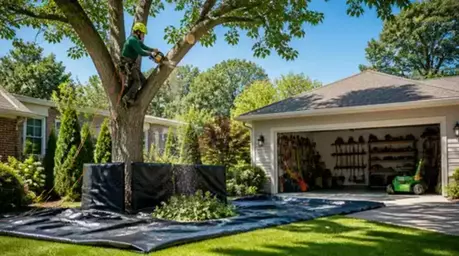
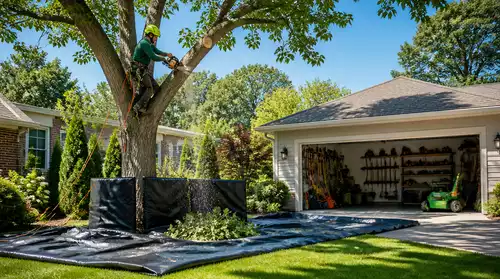
Tree service work involves several inherent property risks and safety measures that professionals adopt to mitigate these hazards. Below is a visual representation of these key aspects. For a deeper understanding of what to expect from professional tree care, consider understanding professional tree care.
Common Risks
- Falling branches: Unexpected falls during trimming.
- Equipment damage: Machinery causing dents or scratches.
- Soil disturbance: Compaction affecting landscaping.
Safety Measures
- Ropes and pulleys: For safe branch lowering.
- Protective gear: Ensuring worker safety.
- Work zones: Establishing safe areas around the site.
Hazard Assessment Factors
- Proximity to structures: Risk of damage to nearby buildings.
- Ground conditions: Stability and erosion risks.
- Weather conditions: Impact of rain or wind on safety.
Long-Term Protection Tips
- Regular maintenance: Schedule follow-up tree health assessments.
- Communicate with arborists: Discuss ongoing care needs.
- Educate yourself: Understand tree care practices.
Understanding the Importance of Property Protection During Tree Service Work
When it comes to tree service work, protecting your property is crucial! As a homeowner, you may not realize the potential risks involved in tree care. Whether it’s falling branches or equipment movement, unforeseen damage can occur. As someone who has spent years in the industry, I can assure you that understanding these risks can save you a lot of heartache and expense down the road.
Every tree service job carries certain inherent risks to your property. It’s important to be aware of them so you can take necessary precautions. This is where services like Arborist Atlas come into play. We aim to connect you with certified arborists who understand the landscape and will take steps to mitigate potential hazards during their work.
Identifying Risks to Your Property from Tree Services
There are several potential risks that you should be aware of before tree service work begins. These risks can range from minor annoyances to major damage affecting your home. Here are a few common risks:
- Falling branches: When limbs are cut down or trimmed, they can fall unexpectedly.
- Equipment damage: Heavy machinery can cause dents or scratches on your driveway or lawn.
- Soil disturbance: The ground around trees can get compacted or disturbed, affecting your landscaping.
These risks underscore the need for professional tree services to ensure your property remains safe during tree care. A good arborist will assess the surroundings and implement strategies to minimize these risks effectively. It's essential to communicate with your chosen provider about your concerns before they start the work. For more insights on what questions to ask, see our guide on key questions to ask when hiring arborists.
Potential Property Damage: What Homeowners Should Know
As a homeowner, understanding the potential for property damage is essential. For instance, nearby structures like fences and homes can be inadvertently affected when trees are trimmed or removed. If the arborist uses heavy equipment, it may inadvertently cause damage to your garden or landscaping.
Moreover, sometimes branches can land on your neighbor's property or even power lines. This is particularly important to consider if you live in a densely populated area. Knowing these potential hazards helps you make informed choices about hiring expert tree services!
The Role of Tree Services in Preventing Damage
Professional tree services play a pivotal role in preventing property damage during tree work. They come equipped with the knowledge and tools to manage risks effectively. Arborists not only assess the trees but also the surrounding areas to ensure all potential hazards are mitigated.
By implementing safety measures such as:
- Using ropes and pulleys to lower branches safely.
- Employing protective gear and equipment for workers.
- Establishing work zones to keep your property and everyone safe.
When you choose professionals, you choose peace of mind. They understand the intricacies of tree care and are dedicated to preserving the health of your trees while safeguarding your home.
Hazard Assessment: Evaluating Risks Before Service Begins
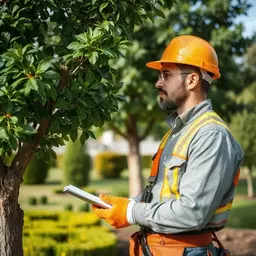
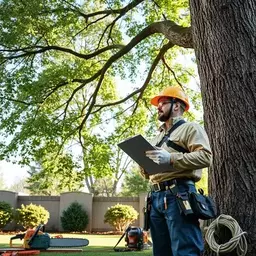
Before any tree service begins, a thorough hazard assessment is a must! This involves evaluating not only the tree itself but also its surrounding environment. Arborists should conduct an initial inspection to identify risks and develop a custom plan for the job.
During this assessment, here are some key factors to consider:
- Proximity to structures: Are there any buildings or fences near the tree?
- Ground conditions: Is the soil stable, or is there a risk of erosion?
- Weather conditions: Will rain or wind affect safety during the service?
At Arborist Atlas, we emphasize the importance of this assessment, as it establishes a foundation for safe and effective tree service work. The more informed you are, the better prepared you will be for any tree service project! You can find local arborists easily through our platform.
Pro Tip
Did you know? Before any tree service begins, it’s beneficial to have a comprehensive plan in place. Communicate your specific concerns with your arborist, and ask them to outline the safety measures they will implement. This proactive approach not only enhances your peace of mind but also ensures that risks are effectively managed throughout the process.
Frequently Asked Questions About Property Protection During Tree Service
What are the common risks to my property during tree service work?
Common risks include falling branches, which can cause unexpected damage during trimming, equipment damage from heavy machinery on driveways or lawns, and soil disturbance, which can compact or affect your landscaping.
How do professional tree services prevent property damage?
Professional tree services prevent damage by implementing safety measures such as using ropes and pulleys to lower branches safely, employing protective gear for workers, and establishing clear work zones on your property to ensure safety.
What is a hazard assessment, and why is it important before tree service?
A hazard assessment is a thorough evaluation of the tree and its surrounding environment to identify potential risks. It's crucial because it helps arborists develop a custom plan to mitigate hazards like proximity to structures, ground conditions, and weather impacts, ensuring safe and effective service.
What should I do to protect my property after tree service work is completed?
After tree service, focus on establishing a sustainable landscape by choosing native plants, using ground covers and mulch, and designing rain gardens. Also, maintain your lawn with proper watering, mowing, fertilization, and weed control to promote recovery.
Why is ongoing care with certified arborists recommended?
Engaging with certified arborists for ongoing care is vital for maintaining tree health and property safety. Regular assessments, open communication, and continuous education about tree care practices help ensure the longevity and vitality of your trees.
Ensuring Long-Term Protection for Your Property
After tree service work is completed, it's crucial to take steps to ensure the long-term protection of your property. Many homeowners overlook the importance of establishing a sustainable landscape, which can significantly impact the health of your trees and the overall look of your yard. By incorporating resilient landscaping solutions, you can create a thriving environment that enhances both aesthetics and property value.
One great way to start is by selecting trees and plants that are well-suited to your local climate and soil conditions. This means choosing species that can withstand your area's weather patterns and pests. Additionally, using native plants can promote biodiversity and reduce maintenance efforts! By fostering a healthy ecosystem, you can keep your landscape vibrant and your trees flourishing.
How to Create a Sustainable Landscape Post-Tree Service
When designing your landscape, consider incorporating a mix of plants that provide various functions. Here are some suggestions for creating a sustainable landscape:
- Native Plants: Select trees, shrubs, and flowers that are indigenous to your region.
- Ground Covers: Use low-maintenance ground cover plants to prevent soil erosion and suppress weeds.
- Mulching: Apply organic mulch around your trees and plants to retain moisture and improve soil health.
- Rain Gardens: Design rain gardens to capture and filter runoff, providing natural drainage solutions.
Each of these elements contributes to a healthier environment for your trees, ensuring they grow strong and resist pests. Remember, a well-planned landscape not only protects your property but also enhances its beauty!
Maintaining Your Lawn After Service Work is Completed
Once the tree service work is done, it’s important to keep your lawn in tip-top shape. Regular maintenance can make a difference in the recovery of your grass and surrounding plants. Here are some key practices to follow:
- Watering: Ensure your lawn receives adequate water, especially in the weeks following the service.
- Mowing: Keep your grass trimmed to the right height to promote healthy growth.
- Fertilization: Use a balanced fertilizer to give your lawn the nutrients it needs.
- Weed Control: Monitor for weeds and remove them promptly to prevent competition for resources.
These simple steps can help your lawn bounce back, creating a beautiful backdrop for your newly cared-for trees! For more details on maintaining overall tree health, explore key factors in tree care.
Understanding the Environmental Impact of Your Choices
Making informed decisions about your landscape can have a lasting impact on the environment. Think about how your choices affect not only your property but also your community. Incorporating native plants, for instance, can help support local wildlife and preserve natural habitats.
Additionally, using sustainable practices like composting and reducing pesticide use can improve soil health and enhance biodiversity. It's not just about aesthetics; it's about creating a thriving ecosystem! Every small choice contributes to a greener and healthier planet, so let's be mindful of how we care for our landscapes.
Encouraging Safe Practices for Future Tree Service Work
Tree care doesn’t stop once the service work is completed. Engaging with certified arborists for ongoing care is vital to maintaining the health of your trees and the safety of your property. Establishing a relationship with these professionals allows you to develop a more comprehensive understanding of tree care needs and practices.
Consider setting up a regular maintenance schedule for your property. This not only helps keep your trees healthy but can also catch potential issues before they become major problems. Trust me, being proactive about tree health can save you headaches down the road!
Engaging with Certified Arborists for Ongoing Care
When you find a certified arborist you trust, it’s essential to build a lasting relationship. Here’s how you can ensure continuous care:
- Regular Assessments: Schedule annual tree health assessments to monitor and maintain tree vitality.
- Open Communication: Discuss any concerns or observations with your arborist to stay informed about tree care.
- Ongoing Education: Learn about tree care practices from your arborist to empower yourself as a homeowner.
By engaging with professionals, you can significantly enhance the longevity and health of your trees, ensuring they remain a valuable part of your property!
Creating a Regular Maintenance Schedule for Your Property
Having a maintenance schedule can help streamline care for your trees. Here are some key elements to include:
- Pruning Schedule: Plan regular pruning to encourage healthy growth and remove dead or problematic branches.
- Fertilization Timeline: Set specific times for fertilizing to ensure trees receive nutrients when they need them most.
- Pest Monitoring: Regularly check for signs of pests or disease to catch issues early.
- Seasonal Assessments: Conduct seasonal checks to evaluate tree health and adjust care accordingly.
A proactive approach can make all the difference in maintaining the beauty and safety of your trees! For insights on selecting the right professionals, consider identifying reliable tree care services.
Recap of Key Points
Here is a quick recap of the important points discussed in the article:
- Understand Risks: Be aware of potential risks such as falling branches, equipment damage, and soil disturbance during tree service work.
- Professional Assessment: Ensure arborists conduct a hazard assessment to evaluate the proximity of structures, ground conditions, and weather before starting the job.
- Implement Safety Measures: Trust certified arborists to use ropes, protective gear, and establish work zones to minimize risks to your property.
- Post-Service Care: Maintain your lawn through proper watering, mowing, fertilization, and weed control to promote recovery after tree work.
- Sustainable Landscaping: Incorporate native plants, ground covers, and mulching to create a resilient and thriving landscape.
- Ongoing Care: Engage with certified arborists for regular assessments and establish a maintenance schedule to ensure the health of your trees long-term.