In a world increasingly focused on sustainability and environmental health, understanding the nuances of tree care is vital. Did you know that properly managed trees can enhance property value while improving air quality? Professional tree care services not only maintain the aesthetics of your landscape but also contribute significantly to ecological balance.
What You Will Learn
- The importance of hiring certified arborists, including the significance of ISA certification and necessary insurance.
- A range of essential tree care services, such as trimming, pruning, and emergency removal, each tailored to maintain tree health.
- Safety protocols and equipment that professional arborists utilize to ensure a secure working environment during tree care operations.
- The structured tree care process, including consultations, inspections, service proposals, execution, and follow-up, fostering better client-arborist relationships.
- The significance of routine tree inspections for identifying potential risks and maintaining the health of your trees.
- Eco-friendly practices in tree management, such as selective pruning and organic pest management, promoting environmental sustainability.
- Key components of long-term tree maintenance, including seasonal inspections, fertilization, and proper soil management strategies.
Tree Care Process Steps
Understanding the steps in the tree care process ensures clarity and engagement with tree care professionals. For more detailed information on what to expect, consider these key questions when hiring arborists.
1. Initial Consultation
Discuss your needs and concerns with the arborist.
2. Tree Inspection
A thorough assessment of tree health and risks.
3. Service Proposal
A detailed plan and quote for recommended services.
4. Execution of Services
Professional care is performed according to the agreed-upon plan.
5. Follow-Up
A post-service check to ensure satisfaction and address any further questions.
Understanding Professional Tree Care Services
Navigating the world of tree care can feel overwhelming, especially when it comes to understanding what services are available. At Arborist Atlas, we believe that having a clear picture of professional tree care services helps homeowners and businesses make informed decisions. So, let's dive in and explore the essential elements of professional tree care!
Key Qualifications and Certifications for Tree Care Experts
When seeking a tree care expert, it's crucial to recognize the value of qualifications and certifications. One of the most respected credentials in the industry is the International Society of Arboriculture (ISA) certification. This certification signifies that the arborist has undergone rigorous training and adheres to high standards of practice.
In addition to qualifications, ensure that the tree care professional carries adequate insurance and licensing. This protects both you and the arborist in case of any accidents or damages during the job. Here are some key qualifications to look for:
- ISA Certification
- State Licensing
- Liability Insurance
These qualifications not only reflect the arborist's expertise but also their commitment to safety and professionalism in tree care. To find local experts with these credentials, read our guide on how to find local arborists easily.
The Range of Services Offered by Tree Care Professionals
Tree care professionals offer a wide variety of services to maintain and enhance the health of your trees. Understanding these services can help you decide what might be best for your landscape. Here are some common services you can expect:
- Tree Trimming - Regular trimming promotes healthy growth and maintains aesthetics.
- Pruning - Removing specific branches to enhance tree development and safety.
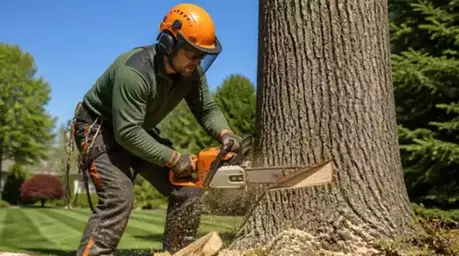
- Tree Removal - Safely taking down trees that pose risks to your property.
- Stump Grinding - Eliminating tree stumps to create a clean landscape.
- Pest Management - Identifying and managing pests that threaten tree health.
Each service is designed to ensure the longevity and beauty of your trees, making it essential to choose the right professional for your specific needs.
Emergency Tree Services: Responding to Urgent Needs
When unexpected situations arise, having access to emergency tree services is invaluable. Storms, high winds, or other disasters can lead to fallen branches or hazardous trees. Knowing how to respond and what to expect is vital during these critical moments.
Emergency tree services typically include:
- 24/7 Availability for urgent situations
- Quick assessment of the hazard
- Safe removal of fallen trees or branches
Choosing a company like Arborist Atlas that prioritizes quick response times can make a significant difference in ensuring safety and preventing further damage to your property.
Safety Protocols in Tree Care Operations
Safety is paramount in tree care operations. It's essential for both the arborists and the property owners involved. Understanding the safety protocols and equipment used in tree care not only protects everyone but also ensures a smooth process.
Essential Safety Measures and Equipment Used by Arborists
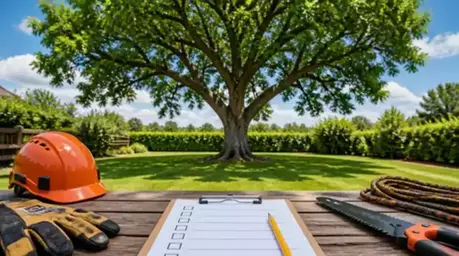
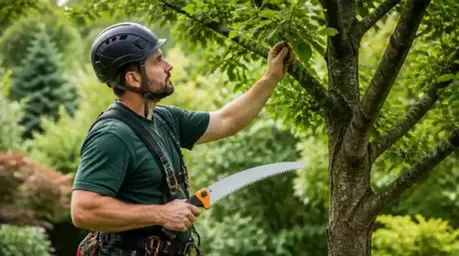
Tree care professionals use a range of safety measures and equipment to minimize risks. From harnesses to chippers, the right tools can make all the difference in ensuring a safe working environment. Here’s a look at some of the essential safety gear:
- Hard Hats - Protects against falling debris.
- Climbing Gear - Ensures safety when working at heights.
- Gloves and Eye Protection - Shields hands and eyes during tasks.
By adhering to strict safety protocols and utilizing appropriate equipment, arborists can perform their work effectively while prioritizing safety above all else. For insights into finding reliable professionals, check out finding local arborists you can trust.
Understanding the Tree Care Process: What to Expect
When hiring a tree care professional, it's helpful to know what the tree care process entails. Understanding the steps involved can ease any concerns and help you feel more engaged in the care of your trees. Here’s a clear overview:
- **Initial Consultation** - Discuss your needs and concerns with the arborist.
- **Tree Inspection** - A thorough assessment of tree health and risks.
- **Service Proposal** - A detailed plan and quote for recommended services.
- **Execution of Services** - Professional care is performed according to the agreed-upon plan.
- **Follow-Up** - A post-service check to ensure satisfaction and address any further questions.
This structured approach not only ensures quality service but also fosters a collaborative relationship between homeowners and arborists.
Tree Inspection and Hazardous Tree Evaluation
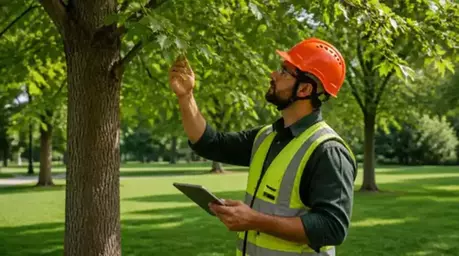
Regular tree inspections are essential for identifying potential risks and maintaining tree health. An experienced arborist will evaluate factors such as tree structure, health, and location. Here’s what to expect from a tree inspection:
- Visual Assessment - Checking for visible signs of disease or damage.
- Root and Canopy Evaluation - Ensuring that the tree’s base and leaves are healthy.
- Risk Analysis - Identifying any trees that may pose hazards to property or people.
With thorough inspections, you'll be better equipped to make informed decisions about your trees' care and maintenance needs.
Quick Summary
Here's a brief recap of the key points discussed so far:
- Understanding the importance of professional qualifications and certifications in tree care.
- Exploring the range of tree care services available, including trimming, pruning, and pest management.
- Recognizing the value of emergency tree services and the protocols involved for safety and efficiency.
- Highlighting the significance of environmental considerations and eco-friendly practices in tree management.
Frequently Asked Questions About Professional Tree Care
Environmental Considerations in Professional Tree Care
When it comes to tree care, being *environmentally conscious* is crucial. At Arborist Atlas, we believe in promoting sustainable practices that not only enhance the beauty of your landscape but also protect our planet. The methods we use can significantly impact the health of our ecosystems, so it’s essential to understand the eco-friendly practices that professional tree care services employ.
One major aspect of sustainable tree management is how trees are pruned. Utilizing proper pruning techniques can help maintain tree health while minimizing waste. Additionally, eco-friendly debris disposal methods ensure that any waste generated during tree care is handled responsibly, often being recycled back into the environment.
Eco-Friendly Practices in Tree Management
As I work with tree care professionals, I see firsthand how they adopt *eco-friendly methods* that benefit both trees and the environment. Here are some of the practices that many certified arborists, including those in our network at Arborist Atlas, embrace:
- Selective Pruning: Focusing on removing only what is necessary to encourage healthy growth.
- Organic Pest Management: Using natural solutions to combat pests, reducing chemical usage.
- Composting: Turning tree debris into nutrient-rich compost for soil enhancement.
- Native Planting: Promoting the use of native species that require less maintenance and resources.
Implementing these eco-friendly practices not only helps your trees thrive but also contributes to a healthier environment. It’s a win-win situation that ensures our landscapes remain vibrant and sustainable.
Long-Term Tree Health: Maintenance and Seasonal Care
Long-term tree health is all about consistent care and attention throughout the seasons. At Arborist Atlas, we emphasize the importance of creating a maintenance plan that aligns with the unique needs of each tree species. Regular assessments ensure your trees receive the right care at the right time! For more tips on maintaining long-term tree health, explore our article on finding local arborists easily.
Here are some key components of effective ongoing care plans:
- Seasonal Inspections: Checking trees for signs of disease or distress at different times of the year.
- Fertilization: Providing the right nutrients to support growth during critical seasons.
- Watering Guidelines: Establishing a watering schedule that adapts to seasonal changes.
- Mulching: Applying organic matter to retain moisture and promote soil health.
By following a tailored maintenance plan, homeowners can enhance the longevity and beauty of their trees, ensuring they remain a cherished part of their landscape.
Tree Health Assessment and Soil Management
Understanding tree health goes beyond just looking at the foliage; it involves assessing *soil conditions* as well. A solid foundation is crucial for a tree’s growth and durability. Professional arborists conduct thorough tree health assessments to develop effective soil management strategies.
During these assessments, experts consider several factors:
- Soil Composition: Analyzing soil types to determine nutrient content and pH levels.
- Drainage: Evaluating how well water moves through the soil to prevent root rot.
- Compaction: Identifying areas where soil has become compacted, affecting root growth.
- Microbial Activity: Assessing soil life, which plays a key role in nutrient availability.
With this information, arborists can create a customized strategy to improve soil health, ensuring trees have the best chance to thrive in their environment. It’s all part of maintaining a healthy ecosystem around us! For additional insights on hiring the right professionals, refer to our article on finding local arborists you can trust.
Recap of Key Points
Here is a quick recap of the important points discussed in the article:
- Qualifications Matter: Look for ISA certification, state licensing, and liability insurance when hiring a tree care professional.
- Range of Services: Understand the various tree care services available, including trimming, pruning, removal, stump grinding, and pest management.
- Emergency Services: Choose a tree care provider that offers 24/7 emergency services to handle urgent situations effectively.
- Safety First: Ensure that arborists adhere to safety protocols and use proper equipment like hard hats, climbing gear, and protective gloves.
- Tree Care Process: Familiarize yourself with the steps of the tree care process, including consultation, inspection, proposal, execution, and follow-up.
- Eco-Friendly Practices: Support tree care professionals who implement sustainable methods, such as selective pruning and organic pest management.
- Long-Term Maintenance: Establish a maintenance plan that includes seasonal inspections, proper fertilization, and soil management for tree health.