Have you ever considered how the trees in your yard contribute to your overall property value? Proper tree care is not just about aesthetics; it's an investment in the health and longevity of your landscape. In this article, we delve into the essentials of tree services that every homeowner and property manager should know.
Key Takeaways
- Understanding tree services is essential for homeowners to maintain safety and enhance property aesthetics.
- Regular tree health assessments can identify problems early, preventing costly damage and hazardous situations.
- Key tree care practices include pruning, fertilization, soil management, and pest control to ensure tree vitality.
- Recognizing signs of tree distress, such as leaf discoloration or dead branches, helps in timely intervention and care.
- Familiarity with local regulations and HOA guidelines is crucial for effective tree management and compliance.
- Urban forestry practices, including selecting native species and promoting soil health, contribute to sustainable growth.
- Safety considerations are paramount; ensure tree service providers have proper insurance and training to minimize risks.
- Engaging with community tree programs fosters a collective responsibility for maintaining urban green spaces.
Tree Service Categories and Their Importance
Understanding the types of tree services helps homeowners and property managers maintain healthy trees and enhance property values. Below is a breakdown of essential tree services.
Pruning and Trimming
Helps shape and enhance tree growth and appearance.
Tree Removal
Necessary when trees are hazardous or dead.
Stump Grinding
Efficiently removes stumps left after tree removal.
Emergency Tree Services
Essential after storms or unexpected damage.
Tree Health Care
Protects trees against pests and diseases.
Cabling and Bracing
Supports weak trees and prevents breakage.
Planting and Transplanting
Ensures proper growth in new locations.
Wood Chipping
A sustainable method for managing tree waste.
Tree Fertilization and Soil Aeration
Boosts growth and enhances health.
Exploring the Essentials of Tree Services
When it comes to maintaining your property, understanding the essentials of tree services can make a significant difference! As an arborist with years of experience, I can tell you that proper tree care not only enhances the beauty of your landscape but also ensures the health and longevity of your trees. From homeowners to property managers, recognizing the importance of tree services is a crucial step in preserving the natural beauty around us.
Understanding the Importance of Tree Care Services
Why Tree Services Matter for Homeowners and Property Managers
Let’s face it—trees are magnificent but require proper care. For homeowners, tree services mean keeping your property safe and beautiful. For property managers, maintaining healthy trees can enhance property values while reducing liability risks. That’s why it’s essential to connect with reliable professionals, like those listed on Arborist Atlas!
Moreover, well-maintained trees can provide energy savings, improve air quality, and even enhance the overall aesthetic appeal of your property. Ignoring the health of your trees can lead to costly damage and hazardous situations, making regular tree care a must for everyone.
Overview of Tree Health and Maintenance
Understanding tree health is key to effective maintenance. Proper tree care includes pruning, fertilization, and soil management. Here’s a brief overview of essential practices to keep your trees thriving:
- Regular pruning to remove dead or diseased branches
- Fertilization to promote growth and resilience
- Soil aeration to improve root health
- Pest and disease management to ensure longevity
Tree Health Assessment: Ensuring Optimal Care
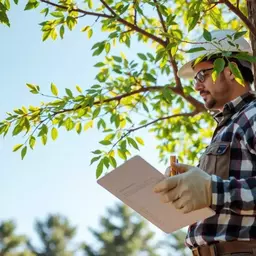
Conducting a tree health assessment is vital for identifying issues before they become severe. A professional arborist will evaluate factors such as soil quality, tree species, and signs of pests. By addressing these elements early on, you can help prevent more extensive damage down the line.
After the assessment, you’ll receive clear recommendations tailored to your specific needs, ensuring your trees receive the best care possible. Remember, healthy trees are happier trees!
Decoding Tree Service Categories
Types of Tree Services: An In-Depth Look
With various tree services available, it can be overwhelming to figure out what you really need. Here’s a breakdown of the most common types of tree services:
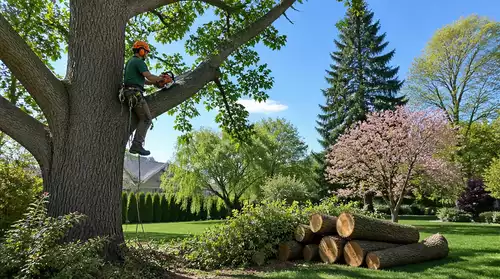
- Pruning and Trimming: Helps shape and enhance tree growth and appearance.
- Tree Removal: Necessary when trees are hazardous or dead.
- Stump Grinding: Efficiently removes stumps left after tree removal.
- Emergency Tree Services: Essential after storms or unexpected damage.
- Tree Health Care: Protects trees against pests and diseases.
- Cabling and Bracing: Supports weak trees and prevents breakage.
- Planting and Transplanting: Ensures proper growth in new locations.
- Land Clearing: Prepares land for new projects or beautification.
- Wood Chipping: A sustainable method for managing tree waste.
- Tree Fertilization and Soil Aeration: Boosts growth and enhances health.
Identifying Your Tree Care Needs
How do you know which service is right for you? It’s crucial to recognize specific symptoms and signs that indicate your trees’ needs. Here’s a quick guide:
- Leaf discoloration: May signal nutrient deficiency or disease.
- Dead branches: Indicate the need for pruning or tree removal.
- Pests: Observing insects on your trees suggests a health assessment is necessary.
- Unusual growth patterns: Might require professional evaluation.
By knowing what to look out for, you can seek help promptly, ensuring your trees get the attention they deserve! For a deeper understanding, explore our article on understanding professional tree care.
Hazardous Tree Assessment: Recognizing Risks
It’s essential to evaluate trees for potential hazards. A thorough hazardous tree assessment identifies trees that may fall or cause injury. Here’s a checklist for recognizing risks:
- Cracks or splits in the trunk or branches
- Leaning trees that appear unstable
- Root damage or decay visible above ground
- Fungal growth at the base of the tree
If you notice any of these signs, it’s wise to contact a certified arborist immediately. Safety should always come first!
Pro Tip
Did you know? Regularly monitoring your trees for signs of distress can save you money in the long run. Early detection of issues like pest infestations or nutrient deficiencies can prevent costly repairs or removals later on. Consider scheduling seasonal assessments with a certified arborist to keep your trees healthy and thriving!
Concluding Insights on Tree Services
As we wrap up our exploration of tree services, it's crucial to recognize that effective tree care doesn't just happen overnight. It involves thoughtful planning and regular maintenance. At Arborist Atlas, we believe that every homeowner can enhance their landscape by developing a long-term tree management strategy that fits their specific needs!
A well-structured plan ensures that your trees receive the attention they need throughout different seasons. This can include routine assessments, proactive care, and even engaging with local regulations. By taking these steps, you not only protect your investment but also contribute to the overall health of your environment.
Building a Plan for Tree Care and Maintenance
Creating a long-term tree management strategy starts with setting clear goals for your landscape. Here are some essential components to consider:
- Assessment Schedule: Regular checks on tree health and growth.
- Maintenance Services: Scheduled pruning, fertilization, and pest control.
- Emergency Protocols: Plans in place for storm damage or hazardous trees.
- Community Regulations: Stay informed about local tree care rules and HOA guidelines.
By integrating these elements, you'll be on your way to ensuring your trees thrive for many years to come. It’s all about fostering a relationship with your landscape that prioritizes health and sustainability.
Addressing Regional Regulations and HOA Guidelines
Understanding local regulations is vital for any tree care plan. Many communities have specific guidelines around tree maintenance, especially in residential areas managed by homeowners' associations (HOAs). Keeping abreast of these regulations can help you avoid fines and ensure compliance, which is also a point we focus on at Arborist Atlas.
For instance, consider the following:
- Permits: Some areas may require permits for tree removal or major pruning.
- Species Restrictions: Certain tree species might be protected or banned.
- Maintenance Standards: HOAs may have specific expectations for tree appearance and health.
Taking the time to research these factors can save you from future headaches and help keep your trees healthy! Learn more about navigating local tree care regulations.
Implementing Urban Forestry Practices for Sustainable Growth
Urban forestry is a crucial aspect of sustainable tree management. By implementing practices that consider both the trees and their environment, you can promote growth and resilience. Here are some strategies to consider:
- Native Plant Selection: Choose species that thrive in your local climate and soil.
- Soil Management: Invest in soil health through aeration and proper fertilization.
- Water Conservation: Use efficient irrigation practices to reduce water waste.
- Community Involvement: Participate in local tree planting and care initiatives.
By adopting these practices, you can help create a more sustainable urban landscape, benefiting both your property and the community!
Top Questions and Concerns Regarding Tree Services
It’s natural to have questions and concerns when it comes to tree services. Many homeowners wonder about the best practices and potential risks involved. Here are some common FAQs that we often hear:
- What types of tree services are available? From pruning to emergency removals, the options are vast!
- How do I know if my tree is healthy? Signs include vibrant leaves, sturdy branches, and lack of pests.
- When should I hire a professional? If you notice significant damage or if the tree poses a risk, it’s time to consult an expert.
At Arborist Atlas, we encourage you to ask questions! Engaging with professionals not only enhances your understanding but also helps you feel confident in your tree care decisions.
Safety Considerations When Hiring Tree Services
When hiring a tree service, safety should always be a top priority. Ensure that any professional you work with follows safety regulations, especially when operating heavy machinery or working at heights. Here are a few safety considerations to keep in mind:
- Insurance: Verify that the company carries liability insurance.
- Training: Ask if their employees are trained in safety procedures.
- Equipment: Ensure they use proper equipment and safety gear.
By prioritizing safety, you can protect both your property and the professionals you hire. It’s an essential part of ensuring a smooth tree care process!
Understanding Tree Work Safety and Chainsaw Safety
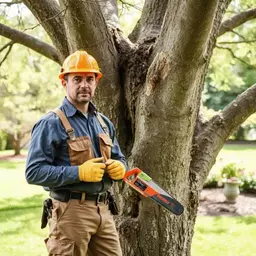
Tree work involves inherent risks, making safety knowledge critical for both homeowners and service providers. Chainsaw safety, in particular, plays a vital role in tree care. Here are some key points to consider:
- Proper Gear: Always wear protective clothing, including helmets and gloves.
- Technique: Learn safe techniques for cutting and pruning to prevent accidents.
- Awareness: Stay alert to your surroundings and potential hazards, such as power lines.
Safety isn't just about following guidelines; it's about fostering a culture of care and responsibility in tree services.
Encouraging Practical Engagement with Tree Care
Engaging with your trees is more than just hiring services; it's about understanding and appreciating them! Visualization tools can be incredibly helpful in making informed decisions about your tree care. Here’s how you can get involved:
- Visual Aids: Use diagrams and comparison tools to assess tree health and species.
- Community Resources: Attend local workshops on tree care and maintenance.
- Online Tools: Utilize apps and websites that provide guidance on tree care.
At Arborist Atlas, we believe that knowledge empowers homeowners to make the best choices for their trees!
Next Steps: Evaluating Your Trees and Planning Services
Now that you have a better understanding of tree services, it’s time to take action! Start evaluating your trees and identifying any immediate needs. Here’s a quick checklist to help:
- Assess Health: Look for signs of distress, such as discoloration or dead branches.
- Evaluate Risk: Identify any trees that may pose a hazard to your property.
- Research Providers: Find certified arborists in your area for professional guidance.
By taking these steps, you’ll ensure that your landscape remains vibrant and healthy! For more information, read our article on key questions to ask when hiring arborists.
Engaging with Community Tree Programs for Local Involvement
Lastly, consider engaging with community tree programs. Many regions offer initiatives aimed at promoting tree care and sustainability. Here’s how to get involved:
- Volunteer Opportunities: Participate in local tree planting events.
- Educational Programs: Attend workshops or seminars on tree care best practices.
- Advocacy: Support local policies that protect urban forests and green spaces.
By getting involved, you not only benefit your own property but also contribute to the health of your community’s environment. Together, we can make a positive impact! To learn more about identifying reliable professionals, check out our guide on identifying reliable tree care services.
Recap of Key Points
Here is a quick recap of the important points discussed in the article:
- Importance of Tree Care: Proper tree services enhance property safety and beauty, while also improving air quality and reducing liability risks.
- Essential Maintenance Practices: Regular pruning, fertilization, soil aeration, and pest management are crucial for tree health.
- Tree Health Assessment: Conduct regular assessments to identify potential issues early and receive tailored care recommendations.
- Types of Tree Services: Familiarize yourself with services such as pruning, tree removal, stump grinding, and emergency tree services to address specific needs.
- Hazard Recognition: Be vigilant for signs of tree hazards, such as cracks, leaning trunks, and root decay, to ensure safety.
- Community Involvement: Engage with local tree programs and regulations to promote sustainability and compliance.
- Safety First: Always prioritize safety by verifying insurance, training, and equipment when hiring tree services.
Frequently Asked Questions About Tree Services
- Q: Why is regular tree care important for homeowners?
- A: Regular tree care is crucial for maintaining property safety and aesthetics, enhancing property values, improving air quality, and reducing liability risks from hazardous trees.
- Q: What are the key practices for maintaining tree health?
- A: Essential practices include regular pruning to remove dead or diseased branches, fertilization to promote growth, soil aeration for root health, and effective pest and disease management.
- Q: How can I identify if my tree needs professional care?
- A: Look for signs such as leaf discoloration, dead branches, visible pests, unusual growth patterns, cracks in the trunk, leaning, root damage, or fungal growth. These signs indicate a need for professional assessment.
- Q: What types of tree services are commonly available?
- A: Common tree services include pruning and trimming, tree removal, stump grinding, emergency services, tree health care, cabling and bracing, planting and transplanting, land clearing, wood chipping, and tree fertilization and soil aeration.
- Q: What should I consider when hiring a tree service provider?
- A: Prioritize safety by ensuring the company carries liability insurance, employs trained professionals, and uses proper equipment and safety gear. It's also wise to check for certifications and references.