As the arboriculture industry evolves at a rapid pace, those in the field must stay ahead of the curve. The commitment to ongoing education is not just a professional obligation; it’s a vital ingredient for success in tree care. Continuous learning empowers arborists to adapt to new challenges and deliver exceptional service in their careers.
What You Will Learn
- The importance of ongoing education in keeping up with evolving regulations and safety standards in arboriculture.
- How continuous learning enhances service offerings and improves client satisfaction.
- The connection between ongoing education and maintaining professional certifications like ISA certification.
- Key benefits of continuous learning, including improved safety practices and expanded career opportunities.
- Effective resources and strategies for finding continuing education opportunities tailored for arborists.
- Ways to engage with the arboriculture community for networking and collaborative growth.
Key Benefits of Continuing Education for Arborists
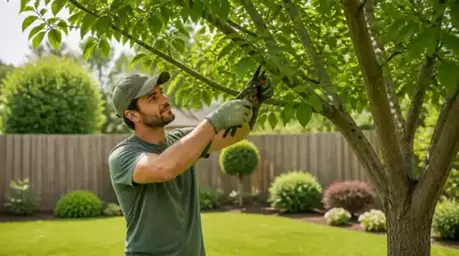
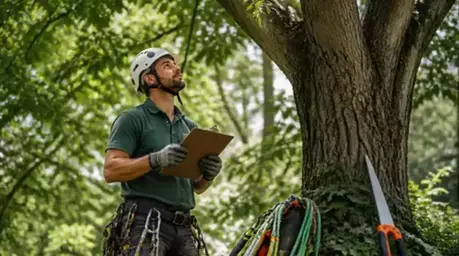
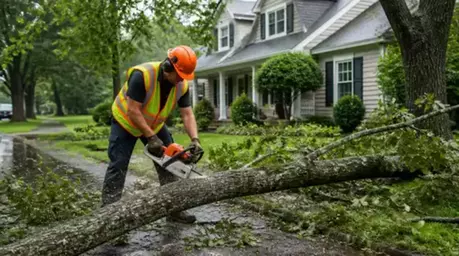
Continuous learning is essential for arborists, offering numerous advantages that enhance professional growth and safety standards. For instance, staying compliant with evolving regulations is critical for maintaining standards in tree care. Below are the key benefits represented visually.
Regulatory Compliance
Staying compliant with evolving regulations is critical for maintaining standards in tree care.
Safety Practices
Improved safety practices protect arborists and their teams, ensuring a secure work environment.
Expanded Service Offerings
Enhancing service offerings allows arborists to meet diverse client needs more effectively.
Professional Networking
Building a professional network through educational events fosters collaboration and growth.
The Role of Ongoing Education in Arborist Careers
Have you ever thought about how quickly the arboriculture industry evolves? With new technologies, techniques, and regulations constantly emerging, ongoing education is more important than ever for arborists. It's not just about knowing how to trim a tree; it's about staying updated on the latest safety standards and best practices that ensure trees receive the best care possible.
At Arborist Atlas, we recognize that continuous learning helps professionals adapt to these growing demands. Whether you're just starting or have years of experience, committing to ongoing education can make a significant difference in your career. The landscape is always changing, and so should our knowledge and skills!
Understanding the Importance of Continuous Learning for Arborists
Why is ongoing education so crucial for arborists? The answer lies in the dynamic nature of tree care. From understanding pest management to mastering the latest equipment, every aspect of arboriculture benefits from fresh insights and updated skills. Here are some key reasons why continuous learning is essential:
- Staying compliant with evolving regulations.
- Improving safety practices to protect yourself and your team.
- Enhancing your service offerings to meet client needs.
- Expanding your professional network through educational events.
As someone deeply invested in tree care, I've seen firsthand how ongoing education opens doors for arborists. It empowers us to provide better service and enhances our credibility in the community. So, if you haven’t considered it yet, now’s the time to embrace continuous learning in your arborist career! For more insights into crucial topics, consider reading about key questions to ask when hiring arborists.
The Connection Between Ongoing Education and Arborist Certification
Maintaining certification is another crucial reason to pursue ongoing education. For ISA certified arborists, participating in continuing education credits (CEUs) is necessary to keep their certification up to date. This connection can help you stay at the forefront of the industry and enhance your professional reputation.
Here’s how ongoing education supports certification maintenance:
- It keeps your knowledge fresh, allowing you to apply the latest techniques.
- It demonstrates your commitment to professional growth and safety standards.
- It ensures you remain compliant with certification requirements.
In my experience, being an ISA certified arborist isn't just a title; it’s a commitment to excellence. By engaging in ongoing education, you're not only fulfilling a requirement but also investing in your future as a trusted tree care professional. Understanding tree service certifications explained can further clarify their importance.
Key Benefits of Continuing Education for Arborists
Let’s dive into the key benefits of continuing education. As arborists, our ability to adapt and grow is crucial for our success and the health of the trees we care for. Education plays a pivotal role in this journey, providing numerous advantages that enhance our professional lives.
From improved safety practices to advanced career opportunities, ongoing education is integral to our development as arborists. So, let’s explore how continuous learning can transform your career!
Pro Tip
Did you know? Engaging in ongoing education doesn't just benefit your skills; it also enhances your marketability. Many clients look for certified arborists who demonstrate a commitment to continuous learning. By staying updated with the latest trends and techniques, you can differentiate yourself from the competition and attract more business opportunities.
Frequently Asked Questions (FAQs)
Summarizing the Critical Aspects of Ongoing Education for Arborists
In the ever-evolving world of arboriculture, ongoing education plays a vital role in ensuring that arborists are equipped with the latest knowledge and skills to operate safely and effectively. By engaging in continuous learning, professionals can enhance safety measures while adhering to regulatory compliance. This dedication not only protects arborists but also safeguards the communities they serve, making it essential for anyone in the field to prioritize education.
As we’ve explored, the link between education and safety is undeniable. Understanding ANSI and OSHA regulations is crucial for maintaining a secure work environment. When arborists commit to ongoing education, they reinforce their ability to manage risks, implement best practices, and elevate the standards of tree care within their communities. For further reading on this topic, consider our article on key credentials for certified arborists.
Encouraging Continuous Learning for Arborist Growth
Committing to ongoing education is about more than just meeting certification requirements. It’s a pathway to personal and professional growth that opens doors for arborists. By continuously updating their skills, professionals can adapt to new challenges and trends, which can lead to greater job satisfaction and enhanced career prospects.
Moreover, investing in your education can foster a culture of learning and collaboration within the arboriculture industry. It’s about creating a network of knowledgeable professionals who support each other's growth—something that's at the heart of what we do here at Arborist Atlas.
Taking Action: Steps for Arborists to Engage in Lifelong Learning
Finding Continuing Education Opportunities
Finding the right continuing education opportunities can feel overwhelming, but there are plenty of resources available to you. Here are some effective ways to get started:
- Online Learning Platforms: Websites like Coursera and Arboriculture.org offer comprehensive courses tailored for arborists.
- Educational Webinars: Organizations such as the International Society of Arboriculture (ISA) frequently host webinars that cover a variety of topics relevant to tree care.
- Local Workshops: Seek out local workshops or seminars hosted by reputable tree care organizations or educational institutions.
- Networking Events: Attend industry events or conferences where workshops and training sessions are often a part of the agenda.
Engaging with the Arboriculture Community for Continuous Learning
Participating in the arboriculture community is a fantastic way to stay updated on best practices and standards. Here are some actionable steps you can take to get involved:
- Join Arborist Associations: Become a member of local or national arborist associations to gain access to exclusive resources and networking opportunities.
- Attend Industry Conferences: Engage with peers and experts at conferences to share knowledge and experiences.
- Participate in Community Events: Look for community tree planting or care events; they often provide informal learning experiences and networking opportunities.
- Leverage Social Media: Follow industry leaders on platforms like LinkedIn or join groups dedicated to arboriculture to engage in discussions and share resources.
By taking these steps, you not only enhance your skills but also contribute to a culture of growth within the arboriculture community. Remember, engaging with others in the field fosters a collaborative environment that ultimately benefits everyone, including our beloved trees! To find local arborists easily and ensure they are committed to continuous learning, check out our guide on how to find local arborists easily.
Recap of Key Points
Here is a quick recap of the important points discussed in the article:
- Ongoing education is essential for arborists to stay updated on new technologies, techniques, and regulations.
- Continuous learning helps improve safety practices, expand service offerings, and enhance professional networks.
- Maintaining certification requires participation in continuing education credits (CEUs) to stay compliant and credible in the field.
- Investing in education fosters personal and professional growth, leading to greater job satisfaction and career opportunities.
- Engaging with the arboriculture community through associations, conferences, and social media is vital for continuous learning and collaboration.