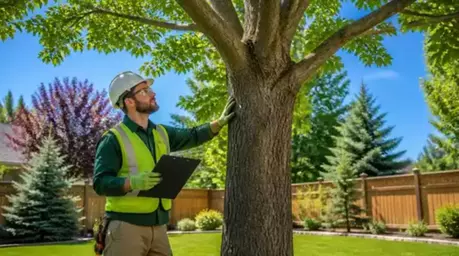
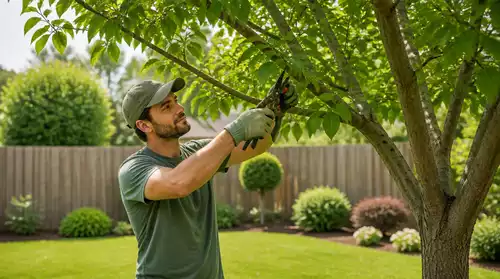
Have you ever considered that the health of your trees directly affects not only your landscape but also the environment around you? By actively engaging in tree care, you can play a crucial role in nurturing these magnificent organisms. Here’s a look at the essential practices to consider between professional visits.
What You Will Learn
- The significance of regular tree maintenance for promoting health and longevity.
- DIY tree care empowers homeowners and saves on professional costs.
- Key watering techniques to ensure optimal moisture for tree health.
- Effective mulching strategies that protect roots and conserve moisture.
- Light pruning practices that encourage growth and prevent disease.
- Identifying early warning signs of tree distress to catch problems early.
- Understanding the difference between trimming and pruning for better tree maintenance.
- Seasonal and species-specific care tips to tailor your tree maintenance approach.
- Safety guidelines to follow while conducting tree maintenance tasks.
- Recognizing red flags that indicate when to consult a professional arborist.
Essential Tree Care Techniques
Explore the key techniques for maintaining healthy trees through regular care and attention. Understanding these practices can significantly prolong the life and vitality of your trees, making your landscape more resilient and beautiful. For more comprehensive insights into maintaining your trees, consider understanding professional tree care.
Watering Techniques
- Water deep, focusing on the root zone.
- Water early morning or late afternoon to minimize evaporation.
- Check soil dryness a few inches below the surface before watering.
Mulching Strategies
- Use organic mulch like wood chips.
- Apply a 2-4 inch layer to regulate soil temperature.
- Avoid volcano mulching—keep mulch away from the trunk.
Pruning Practices
- Use sharp, clean tools to reduce injury risk.
- Remove dead or diseased branches.
- Prune during late winter or early spring.
Deep Root Fertilization
- Choose balanced or slow-release fertilizer.
- Apply during the growing season.
- Follow recommended dosage to avoid harm.
Tree Inspection Guidelines
- Check for yellowing or wilting leaves.
- Look for bark discoloration as a pest indicator.
- Inspect tree structure for cracks or leaning.
Essential Tree Care Practices Between Professional Visits
Taking care of your trees is essential, and regular maintenance between professional visits can significantly enhance their health and longevity. It’s not just about hiring an arborist; it's about engaging actively in the care of your trees. In this section, I'll share essential practices and insights that will help you build a connection with your trees and your arborist!
Understanding the Importance of Regular Tree Maintenance
Regular tree maintenance is crucial for ensuring that your trees flourish. Just like any living organism, trees require consistent care to thrive. By becoming familiar with essential tree care practices, you can spot potential issues early and maintain the beauty and health of your landscape.
Involving yourself in tree care not only benefits the trees but also fosters a better relationship with your arborist. When you understand what your trees need, you can communicate effectively with professionals like those at Arborist Atlas, who are dedicated to helping you choose the best care options. To further prepare for these discussions, it's helpful to know how to prepare for your arborist appointment.
Why DIY Tree Care Matters for Homeowners
DIY tree care is a wonderful way to appreciate the beauty of nature while ensuring your trees stay healthy. It allows you to take an active role in their well-being. Here are a few reasons why it's important for homeowners:
- Builds your confidence as a tree caretaker.
- Helps save money on unnecessary professional visits.
- Enhances the overall appearance of your landscape.
Establishing a Connection with Arborists
Connecting with your arborist can truly transform the way you care for your trees. It’s like having a tree expert in your corner! When you work with professionals from Arborist Atlas, you gain access to knowledge that can greatly benefit your tree's health.
Consider having regular conversations with your arborist about your trees’ needs. Ask questions about what you can do in between visits. The more you learn, the better equipped you'll be to maintain your trees, creating a partnership that fosters tree health!
Key Techniques for Maintaining Your Trees
Once you understand the importance of tree care, it's time to dive into some key techniques that will keep your trees healthy. From watering to pruning, each technique plays a vital role in your tree’s well-being. Let’s explore these essential practices!
Watering Trees: Frequency and Techniques
Watering is one of the most critical aspects of tree care. Trees need adequate moisture to thrive, especially during dry spells. Here are some practical tips:
- Water deep: Focus on the root zone by watering deeply but less frequently.
- Timing is key: Water early in the morning or late in the afternoon to minimize evaporation.
- Monitor the soil: Check for dryness a few inches below the surface before watering.
Effective Mulching Strategies for Tree Health
Mulching is a fantastic way to protect your tree’s roots and retain moisture in the soil. It also suppresses weeds, giving your trees the best chance to thrive. Consider these mulching tips:
- Use organic mulch: Materials like wood chips or shredded bark are great choices.
- Apply a 2-4 inch layer: This helps regulate soil temperature and moisture.
- Avoid volcano mulching: Keep mulch away from the tree trunk to prevent rot.
Light Pruning: When and How to Perform It Safely
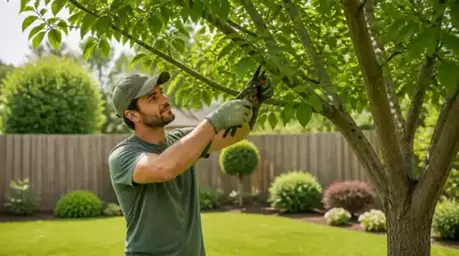
Light pruning is essential for maintaining tree shape and health. It encourages new growth and helps prevent disease. Here’s how to do it safely:
- Use sharp, clean tools: This reduces the risk of injury to the tree.
- Remove dead or diseased branches: This promotes overall tree health.
- Prune during the right season: Late winter or early spring is ideal for most trees.
Deep Root Fertilization: Enhancing Soil Health
Deep root fertilization can enrich your tree's soil, providing it with essential nutrients. This technique involves applying fertilizers directly into the root zone. Here’s how to approach it:
- Choose the right fertilizer: Look for a balanced or slow-release option.
- Apply during the growing season: Spring or early summer is typically best.
- Follow recommended dosage: Over-fertilizing can harm your trees.
Tree Trimming vs. Pruning: Understanding the Difference
Many people confuse trimming with pruning, but they serve different purposes. Understanding these differences can enhance your tree care practices. Here's a quick breakdown:
- Trimming focuses on maintaining shape and appearance.
- Pruning is about promoting healthy growth and removing hazards.
- Both practices are essential for tree health but should be performed with care.
Conducting Regular Visual Inspections
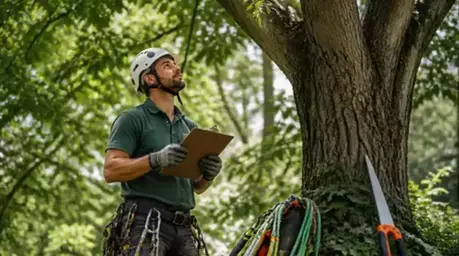
Regular visual inspections of your trees are vital for catching potential problems early. By being proactive, you can address issues before they escalate. Let’s dig into how to conduct these inspections effectively.
Identifying Early Warning Signs of Tree Issues
Being attentive to your trees can help you detect early warning signs of distress. Look for these indicators:
- Yellowing or wilting leaves may suggest water stress.
- Unexpected leaf drop could point to disease.
- Discoloration of bark might indicate pests or decay.
Understanding Structural Defects and Their Implications
Structural defects can pose serious risks to both your trees and property. Identifying these issues early can prevent accidents. Watch for:
- Leaning trees may indicate instability.
- Cracks in the trunk or limbs signal weakness.
- Uneven growth or large cavities can affect overall health.
Bark Inspection: What to Look For
Inspections should include a close look at the bark, as it can reveal much about a tree’s health. Check for:
- Peeling or flaking bark, which may indicate disease.
- Holes or tunnels that could signal pests.
- Soft or mushy areas that can suggest decay.
Assessing Tree Health: Conducting a Tree Health Assessment
A tree health assessment is a thorough process that involves evaluating overall vitality. Consider the following steps:
- Check for foliage density: Healthy trees typically have full canopies.
- Evaluate root health: Investigate the area around the base for signs of rot.
- Look for pest activity: Regularly inspect for spider webs or insect damage.
Seasonal and Species-Specific Tree Care Tips
Each season brings unique care requirements for your trees. By tailoring your approach, you can ensure their health and vitality. Let’s look at some seasonal and species-specific tips!
Adjusting Care Based on Season and Climate
Understanding how seasons affect tree care is crucial. Different weather conditions require different strategies:
- In spring, focus on planting and fertilizing.
- During summer, ensure consistent watering and monitor for pests.
- In fall, prepare trees for winter by mulching and pruning.
Age-Based Maintenance: Young vs. Mature Trees
Young and mature trees have different care needs. Here’s a quick guide to their maintenance:
- Young trees require more frequent watering and support.
- Mature trees benefit from less frequent watering but may need heavier pruning.
- Both age groups need regular inspections to catch any issues early.
Seasonal Pruning: Timing and Techniques
Seasonal pruning is vital for promoting healthy growth. Here are some points to consider:
- Late winter or early spring is best for most trees.
- Remove dead or diseased branches to promote new growth.
- Consider species-specific needs for optimal results.
Tree Species Selection: Choosing the Right Trees for Your Area
Choosing the right species for your landscape is critical. Some tips for tree selection include:
- Research local climate and soil conditions.
- Consider native species, as they often require less care.
- Think about growth habits and maintenance needs.
Safety Guidelines for Tree Maintenance
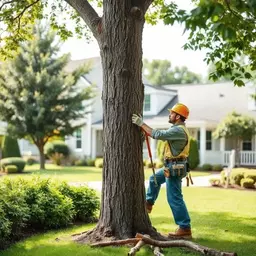
When maintaining your trees, safety should always come first. Here are some essential guidelines to keep in mind:
Tool Safety: Essential Precautions for Homeowners
Using tools safely can prevent accidents and injuries during tree maintenance. Keep these safety tips in mind:
- Always wear protective gear, including gloves and goggles.
- Inspect tools before use to ensure they are in good condition.
- Follow manufacturer instructions for all equipment.
Local Ordinances and Power-Line Safety Considerations
Understanding local regulations and safety measures is vital. Here’s what you need to know:
- Check local ordinances regarding tree trimming and removal.
- Maintain a safe distance from power lines during any work.
- If unsure, consult with a professional arborist before proceeding.
Pro Tip
Did you know? Regularly engaging in tree care not only benefits the health of your trees but also enhances the overall beauty of your landscape. Establish a routine where you check your trees every month—look for signs of distress, such as unusual leaf drop or discoloration. This proactive approach ensures that you catch potential issues early, allowing you to address them before they escalate, and fosters a deeper connection between you and your trees!
Recognizing When to Consult an Arborist
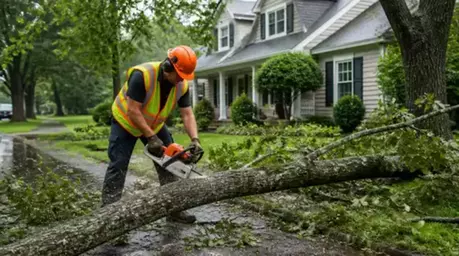
Knowing when to reach out to a professional arborist can save your trees and potentially prevent costly damage. At Arborist Atlas, we believe that understanding the signs of tree distress is critical for maintaining the health of your landscape. By recognizing these red flags early, you can take action and ensure that your trees receive the expert care they need.
Have you ever noticed something off about one of your trees? It’s not just about having a beautiful yard; it’s also about preserving the life of these majestic plants. Let's dive into some common symptoms that indicate it's time to call in an expert.
Frequently Asked Questions (FAQs)
- Q: Why is regular tree maintenance important between professional visits?
- A: Regular tree maintenance helps ensure your trees flourish, promoting their health and longevity. It allows you to spot potential issues early, maintain the beauty of your landscape, and foster a better relationship with your arborist.
- Q: What are key watering techniques for trees?
- A: Key watering techniques include watering deeply, focusing on the root zone, watering early morning or late afternoon to minimize evaporation, and checking soil dryness a few inches below the surface before watering.
- Q: How can mulching benefit tree health?
- A: Mulching protects tree roots, retains soil moisture, regulates soil temperature, and suppresses weeds. It's recommended to use organic mulch like wood chips and apply a 2-4 inch layer, keeping it away from the tree trunk.
- Q: What are some early warning signs of tree distress?
- A: Early warning signs include yellowing or wilting leaves, unexpected leaf drop, discoloration of bark, leaning, cracks in the trunk or limbs, and uneven growth or large cavities.
- Q: When should I consult a professional arborist?
- A: You should consult an arborist for red flags such as severe leaning, dead or dying branches, fungal growth at the base, significant bark damage, excessive wilting, visible holes in the trunk, persistent pest problems, or signs of serious tree diseases like discolored foliage or oozing cankers.
Red Flags Indicating the Need for Professional Help
There are specific signs that your tree might need immediate attention. Identifying these symptoms early can help avert more severe issues down the line. Here are some common symptoms that should prompt you to consult an arborist:
- Leaning Trees: If a tree is leaning significantly, it may indicate root issues or instability.
- Dead or Dying Branches: Branches that are brown or brittle can be a sign of serious problems.
- Fungal Growth: Mushrooms or fungus growing at the base of a tree can signal decay.
- Bark Damage: Cracks, splits, or peeling bark may indicate internal issues.
Understanding the urgency of these problems can also affect how quickly you should act. Some issues, like a leaning tree, may require immediate professional intervention, while others might allow for a bit of time. It’s all about assessing the situation accurately. For more details on this, you might find our guide on when to hire tree care help particularly useful.
Common Symptoms Requiring Immediate Attention
When you see any of the following signs, don’t hesitate to contact an arborist:
- Severe Leaning: A tree that leans significantly can pose a safety risk.
- Excessive Wilting: Leaves that are wilting or dropping unexpectedly may indicate stress.
- Visible Holes: Holes in the trunk could suggest insect infestations.
Recognizing these symptoms early can give you peace of mind. And remember, your local arborist is just a call away!
Understanding Urgency Levels for Different Tree Issues
Different issues can be classified based on how urgent they are:
- Immediate Attention: Trees that pose a safety risk, such as those with severe lean or large dead branches.
- Moderate Attention: Symptoms like yellowing leaves or minor pest infestations.
- Low Attention: Minor cosmetic issues that can wait for your next scheduled tree care.
Understanding these urgency levels can help you prioritize which tree issues need your attention first!
Pest Control: When to Seek Professional Assistance
Sometimes, tree pests can wreak havoc on your landscaping. If you notice pests like aphids or bark beetles, it’s wise to consult an arborist. Here’s when you should seek professional help:
- Infestation Signs: If your trees are heavily infested and showing distress.
- Plant Health Risks: Pests that threaten the overall health of your trees.
- Ongoing Issues: If pest problems persist despite your efforts to manage them.
Working with professionals can provide you with effective pest control strategies tailored to your tree's specific needs.
Tree Disease: Signs That Require Expert Care
Tree diseases can be tricky to diagnose. Here are some signs that suggest it’s time to call a professional:
- Discolored Foliage: Leaves turning yellow or brown can indicate underlying issues.
- Oozing or Cankers: Signs of decay or wounds on the trunk can indicate serious problems.
- Sudden Leaf Drop: If leaves drop unexpectedly, it might be a disease issue.
Don’t hesitate to reach out for expert care; it’s better to be safe than sorry when it comes to your trees!
Creating a Maintenance Checklist for Tree Care
A maintenance checklist is a fantastic way to keep track of tree care tasks throughout the year. It can help ensure that you’re consistently providing the right kind of attention to your trees. Here’s what a solid checklist might include:
- Regular Watering: Check moisture levels, especially during dry spells.
- Seasonal Pruning: Schedule times for light pruning and trimming.
- Health Inspections: Regularly inspect for signs of pests or disease.
- Mulching: Refresh mulch to maintain moisture and health.
Keeping this checklist handy will help you stay on top of your tree care game!
Step-by-Step Maintenance Routine: What to Follow
Creating a structured routine can simplify your tree care efforts:
- **Assess Tree Health**: Check for signs of distress weekly.
- **Watering Schedule**: Water your trees according to the season.
- **Pruning**: Schedule seasonal pruning based on tree type.
- **Consultation**: Plan to consult an arborist at least twice a year.
This approach not only keeps your trees healthy but also strengthens your relationship with your arborist!
Frequency Recommendations for Key Tree Care Tasks
Here’s a quick guide to help you determine how often to perform key tree care tasks:
- Watering: Weekly during dry spells; bi-weekly during rainy seasons.
- Pruning: Annually, preferably in late winter or early spring.
- Inspections: Monthly checks for any visible changes.
Following these frequencies can make tree care more manageable!
Incorporating Soil pH Testing and Improvement
Understanding your soil's pH can be pivotal for tree health. Here’s how to incorporate soil testing into your routine:
- Test Soil Annually: Use a simple pH test kit available at garden stores.
- Amend Soil as Needed: Adjust pH with lime or sulfur to fit tree species needs.
- Consult Arborist for Advice: A professional can provide tailored recommendations.
With the right soil conditions, your trees will thrive beautifully! To ensure you're asking the right questions about soil health and other concerns, refer to our guide on key questions when hiring arborists.
Engaging with Your Arborist: Questions to Ask
When it comes time to consult an arborist, having a clear set of questions can optimize your meeting. Here are some key questions you might consider:
- What are the primary health concerns for my trees?
- What preventative measures should I be taking?
- Can you provide care tips specific to my tree species?
These inquiries can pave the way for a productive dialogue and enhance your tree care knowledge!
How to Prepare for an Arborist Inspection
When preparing for an inspection, consider these steps:
- Document Tree Conditions: Take notes on any symptoms you've observed.
- Gather Soil Samples: If you’ve conducted soil testing, bring the results.
- List Your Questions: Have all your questions ready to ensure clarity.
Being prepared will maximize the benefits of your consultation!
Key Questions for Tree Care Insights and Recommendations
During your inspection, don’t hesitate to ask:
- What treatments do you recommend based on my tree's condition?
- How can I monitor my tree's health effectively?
- Are there any resources or guides you suggest for ongoing care?
These questions can help you gain valuable insights to care for your trees better! For further guidance on selecting the right professional, explore tips on how to find local arborists easily.
Conclusion and Next Steps for Tree Health
In summary, recognizing when to consult an arborist is a key aspect of maintaining your trees’ health. By being vigilant and informed, you can prevent many issues from escalating. Our mission at Arborist Atlas is to empower you to make the best decisions for your tree care needs!
Implementing maintenance routines and staying proactive will ensure your trees remain healthy and vibrant. So, take that first step today—your trees will thank you for it!
Recap of Key Points
Here is a quick recap of the important points discussed in the article:
- Engage in regular tree maintenance to enhance health and longevity.
- Water deeply and monitor soil moisture to ensure adequate hydration.
- Utilize effective mulching strategies to retain moisture and suppress weeds.
- Perform light pruning to encourage growth and prevent disease.
- Conduct regular visual inspections to identify early warning signs of tree distress.
- Adjust tree care techniques based on the season and specific tree species needs.
- Recognize red flags that indicate the need for professional arborist assistance.
- Create a maintenance checklist to stay organized and ensure consistent care.