Imagine standing in your yard after a storm, surveying the aftermath of fallen branches and uprooted trees. The chaos can be overwhelming, but knowing how to respond can make all the difference in protecting your property and ensuring safety. This article delves into the critical importance of emergency tree services following storm damage, equipping you with essential knowledge for effective recovery.
What You Will Learn
- Different types of storm damage can severely impact trees, requiring immediate professional attention.
- Emergency tree services are crucial for assessing damage and removing hazards to ensure safety post-storm.
- Hurricanes present unique challenges that necessitate a proactive emergency plan for tree care and safety.
- Recognizing when to call for professional help can prevent further damage and enhance safety for your home and neighborhood.
- Understanding insurance coverage related to storm damage can help mitigate the financial impact of tree removal services.
Key Types of Storm Damage to Trees
Understanding the types of storm damage helps in assessing tree health and the need for emergency services.
Wind Damage
High winds can snap branches or topple trees altogether.
Ice Accumulation
Heavy ice can weigh down branches, causing them to break.
Flooding
Excess water can suffocate roots, leading to tree instability.
Total Tree Failure
Severe damage can lead to total tree failure, posing risks for property and safety.
The Critical Role of Emergency Tree Services After Storm Damage
Storms can be incredibly damaging, not just to our homes but also to the trees that surround us. Understanding the types of storm damage helps us appreciate the critical role emergency tree services play in recovery. Whether it’s strong winds, hail, or flooding, each can affect trees in different ways, leading to risks for both property and people. For more insights on ensuring your property's safety, consider safeguarding your property during tree service.
Understanding Storm Damage and Its Impact on Trees
Storms often cause a variety of damage to trees, including broken branches, uprooted roots, and even total tree failure. These issues can arise from:
- Wind Damage: High winds can snap branches or topple trees altogether.
- Ice Accumulation: Heavy ice can weigh down branches, causing them to break.
- Flooding: Excess water can suffocate roots, leading to tree instability.
It’s essential to recognize that trees, especially older or weakened ones, may not recover from severe storm damage. That’s why reaching out to professionals like those at Arborist Atlas can make a huge difference in addressing these concerns swiftly and effectively.
The Urgency of Emergency Tree Services in Storm Situations
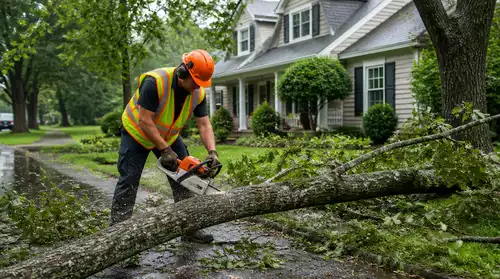
After a storm, the need for emergency tree services becomes urgent. There are several immediate responses required:
- Assessing Damage: Professionals can quickly identify which trees pose a danger.
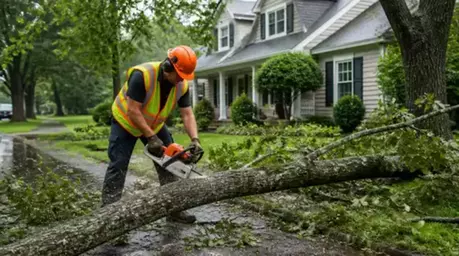
- Removing Hazards: Fallen trees or branches need prompt removal to ensure safety.
- Assessing Property Risk: They can also check for potential damage to structures.
Addressing these issues quickly not only protects your property but also promotes the health of your remaining trees. I’ve seen firsthand how timely intervention can prevent further complications down the line. To learn more about what to look for, explore indicators for professional tree services.
Hurricane Response: Special Considerations for Severe Weather
Hurricanes present unique challenges, making the role of emergency tree services even more vital. The intensity of hurricane winds can uproot or snap trees with alarming speed, which can lead to significant hazards:
- Flying Debris: Large branches or entire trees can become projectiles.
- Widespread Damage: The sheer volume of fallen trees often overwhelms local services.
- Safety Risks: Power lines and structures may be at risk from damaged trees.
In the face of such severe weather, it’s crucial to have a plan. At Arborist Atlas, we emphasize the importance of having a trusted emergency tree service on speed dial before storms hit. This foresight can save lives and reduce property damage, making it essential for every homeowner. When considering professional help, it's wise to ask key questions when hiring arborists to ensure you get the best service.
Pro Tip
Did you know? Regular tree maintenance can significantly reduce the risk of storm damage. By pruning weak branches and assessing the overall health of your trees, you can help ensure they withstand harsh weather conditions. Consider scheduling annual assessments with a certified arborist to keep your trees healthy and resilient!
Your Next Steps After Storm Damage: Actionable Guidance
After a storm has passed, you might find yourself in a state of shock, especially if you've experienced tree damage. Knowing what to do next can feel overwhelming. That's where having a clear action plan comes into play! Let's dive into some important steps you should consider taking to ensure your safety and the health of your property.
Reporting Storm Damage: When to Call for Help
It's crucial to recognize when to reach out for professional help after a storm. In general, you should consider contacting emergency services if:
- Your tree has fallen and poses an immediate risk to your home or power lines.
- Branches are hanging precariously and could fall at any moment.
- There are signs of structural damage to your trees, such as cracks or large splits.
Calling for professional assistance not only ensures your safety but also protects your property from further damage. At Arborist Atlas, we understand that swift action is necessary, and our network of certified arborists is ready to assist you when you need it the most.
FAQs About Emergency Tree Services and Storm Damage
Many questions often arise after a storm regarding tree services. Here are some common concerns:
- What are the typical costs for emergency tree services? Costs can vary based on the extent of the damage and the services required. It's best to get an estimate from a certified arborist.
- How quickly can I expect a response? Response times depend on the severity of the situation and the service provider's availability. Most companies, like those in our network, offer 24/7 emergency services.
- Will my insurance cover the costs? Many homeowners' insurance policies cover tree removal and damage—be sure to check your policy and reach out to your provider for specifics.
- How can I prepare my trees for future storms? Regular maintenance, such as pruning weak branches and assessing tree health, can significantly reduce storm damage risk.
- What should I do if a tree falls on my house? Immediately ensure everyone's safety, then contact emergency services and a professional tree service. Document the damage for insurance purposes.
Don't hesitate to reach out for clarification on any of these points! We're here to help you navigate the process.
Concluding Insights on Emergency Tree Services in Storm Damage
Making Informed Decisions in Times of Crisis
Understanding the importance of professional emergency tree services can significantly impact your recovery after a storm. By knowing when to call for help and asking the right questions, you can make informed decisions that protect your home and loved ones. Remember, safety comes first, and reaching out to certified professionals can provide peace of mind during tough times. For guidance on finding reliable local experts, learn how to find local arborists easily.
Contact Your Local Emergency Tree Service Today
If you're feeling uncertain about your next steps, I encourage you to take action! Contact your local emergency tree service today. Whether it’s Arborist Atlas or another trusted provider, reach out for expert advice and support. You don’t have to face storm damage alone—help is just a phone call away!
Recap of Key Points
Here is a quick recap of the important points discussed in the article:
- Types of Storm Damage: High winds, ice accumulation, and flooding can severely impact trees, causing broken branches and uprooted roots.
- Urgency of Emergency Services: After a storm, promptly assess damage, remove hazards, and evaluate potential property risks with professional help.
- Special Considerations for Hurricanes: Prepare for flying debris, widespread damage, and safety risks; have a trusted emergency tree service ready before storms hit.
- When to Call for Help: Contact professionals if trees pose immediate risks, exhibit structural damage, or have fallen.
- FAQs: Understand costs, response times, and insurance coverage for emergency tree services to navigate post-storm recovery effectively.
- Take Action: Don’t hesitate to reach out to local emergency tree services like Arborist Atlas for expert advice and support post-storm.