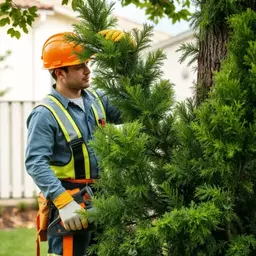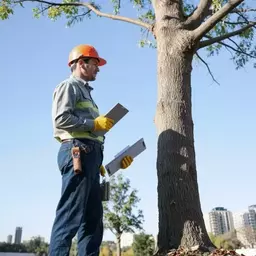
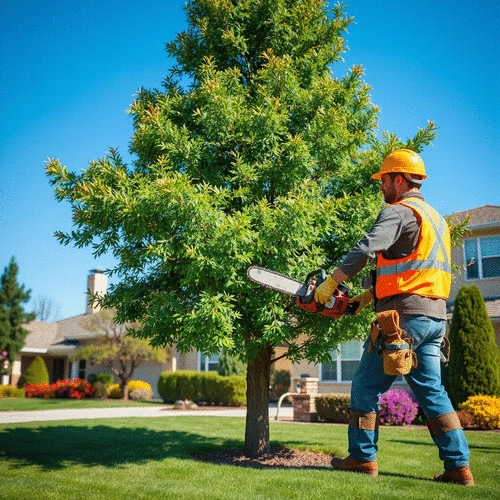
Are your trees thriving, or are they silently crying for help? Understanding the signs of tree distress can make all the difference in maintaining your landscape's health. Seeking professional tree services not only protects your property but also contributes to the beauty of your environment.
What You Will Learn
- Recognize common signs of tree distress, such as leaning trees or dead branches, that necessitate professional intervention.
- Understand the risks and benefits of DIY tree care compared to hiring certified arborists for expert advice and safety.
- Create a proactive tree care checklist to regularly assess tree health and monitor for pests or diseases.
- Explore local resources for finding reputable tree service providers and tips for effective communication with them.
- Discover additional services offered by tree companies that can enhance the health and aesthetics of your landscape.
Key Considerations for Tree Health Management
Understanding the trade-offs between DIY approaches and hiring professionals can greatly influence tree maintenance outcomes. Below is a visual representation of factors to consider. To delve deeper into this topic, consider reading our guide on understanding professional tree care.
Pros of DIY Tree Care
- Cost savings
- Control over the project
- Satisfaction in doing it yourself
Cons of DIY Tree Care
- Lack of expertise
- Potential for injury
- Risk of causing more damage
Key Signs for Professional Help
- Leaning trees posing safety risks
- Dead or dying branches
- Visible storm damage requiring attention
Checklist for Homeowners
- Inspect for signs of distress
- Check for pests or unusual growth
- Monitor for storm damage
Understanding the Need for Professional Tree Services
Taking care of trees is more than just a hobby; it’s a crucial part of maintaining the beauty and health of our landscapes. Have you ever noticed your trees looking a bit under the weather? As a homeowner, you might have concerns about tree health, especially if you’ve spotted unusual signs or just want to ensure your trees thrive. Understanding when to seek professional help can save you time, money, and heartache down the road.
At Arborist Atlas, we often hear from homeowners who are unsure about what to do when they see their trees struggling. Common concerns include tree stability, pest infestations, and the overall appearance of their yard. By recognizing these issues early on, you can avoid more serious problems that may arise in the future.
Identifying Homeowner Concerns Regarding Tree Health
Many homeowners find themselves asking several questions about their trees. Here are some common concerns that prompt the need for professional tree services:
- Is my tree leaning or unstable?
- Are there dead or dying branches that might fall?
- What should I do about pests or diseases affecting my trees?
Addressing these concerns can make a significant difference in your landscape's health. For instance, a leaning tree might not just look unsightly—it could pose a danger to your home and family. That's where professional arborists come into play! For more information on what to ask, check out our guide on key questions when hiring arborists.
Common Tree Issues That Signal Professional Intervention
So, what are some common tree issues that signal you need to consult an expert? Here’s a quick list:
- Visible signs of decay or disease
- Branches that are too close to power lines
- Tree roots causing damage to sidewalks or foundations
By keeping an eye on these issues, you can take proactive steps in hiring a professional. Remember, it’s always better to be safe than sorry when it comes to the health of your trees!
Evaluating DIY Approaches vs. Hiring Experts
Many homeowners consider tackling tree care themselves to save a few bucks. While DIY methods might seem appealing, they can be risky. Here are some pros and cons to consider:
- Pros: Cost savings, control over the project, and some satisfaction in doing it yourself.
- Cons: Lack of expertise, potential for injury, and the risk of causing more damage to the tree or property.
Ultimately, hiring a professional like those listed on Arborist Atlas ensures that you’re getting expert advice and care tailored to your specific tree needs. Why take unnecessary risks when you can have peace of mind? Your trees deserve expert care to flourish and provide beauty for years to come.
Pro Tip
Did you know? Regular tree inspections can prevent costly damage in the long run. Schedule a professional assessment at least once a year to ensure your trees remain healthy and safe. Early detection of issues such as pests or disease can save you from more extensive treatments later on!
Summarizing Key Takeaways on Hiring Professional Tree Services
When it comes to maintaining the health of your trees, knowing when to ask for help is crucial. It's easy to overlook the signs that indicate a tree may need professional care. So, let’s recap some of the important signs you should recognize as indicators that hiring an arborist could make all the difference for your landscape!
First, keep an eye out for visible signs of distress. Trees that lean unnaturally or have dead branches may signal deeper health issues that require expert intervention. Also, seasonal changes can exacerbate these problems, making tree inspections even more important. A well-timed assessment can save you from higher costs down the road.
Recap of Important Signs to Recognize
- Leaning trees posing safety risks
- Dead or dying branches indicating potential disease
- Visible storm damage requiring immediate attention
- Overgrowth affecting nearby structures
- Signs of tree diseases or pests that may harm overall tree health
By being aware of these signs, you will not only protect your investment in your property but also create a safer environment for your family and neighbors! At Arborist Atlas, we believe that keeping trees healthy is a community effort, and knowing when to seek professional help is a key part of that. To make this process easier, you can find local arborists easily using our platform.
Final Thoughts on Tree Health Management
Managing tree health can sometimes feel overwhelming. However, staying vigilant and proactive can go a long way in maintaining the beauty and vitality of your landscape. Remember, when you're unsure, reaching out for expert advice can provide peace of mind and ensure your trees thrive for years to come.
As we wrap up this section, think about your own yard. Are there any trees that might need a closer look? If you have questions or concerns, let’s take the next step toward ensuring your trees are in the best hands possible!
Encouraging Action: When to Reach Out for Professional Help
Now that we’ve laid out the signs to watch for, it’s time to think about how you can take action. Knowing when to reach out for professional help is essential for effective tree care. Let’s explore some practical steps you can take to ensure your trees receive the care they need!
Creating a Tree Care Checklist for Homeowners
A checklist can be a great tool for staying on top of tree maintenance! Here’s a simple list to get you started:
- Inspect trees for signs of distress regularly
- Check for pests or unusual growth patterns
- Monitor environmental factors like storm damage
- Set reminders for seasonal tree care assessments
This checklist is not just about spotting issues; it’s also about fostering a relationship with your trees. Remember, trees are living beings that require our attention just like any other part of your home!
Local Resources for Finding Tree Service Providers
Finding a reputable tree service provider can be daunting, but there are several resources you can utilize:
- Online directories specializing in tree services
- Local community boards or Facebook groups
- Referrals from friends or neighbors who have had positive experiences
- Using Arborist Atlas to search for certified professionals in your region
Having these resources at your fingertips can simplify the process of finding the right expert for your tree care needs. For more details on this, see our article on finding local arborists you can trust.
Contacting Local Tree Services: Next Steps
Once you’ve identified potential tree service providers, it’s time to reach out! Here are some tips for making the most of your conversations with them:
- Ask about their certifications and experience
- Request quotes for the services you need
- Inquire about their approach to tree care and maintenance
- Discuss follow-up services or plans for ongoing care
Engaging with local professionals can build a network of support that keeps your trees healthy! Plus, it’s a great way to enhance your landscape.
Incorporating Local SEO for Finding the Right Professionals
Utilizing local SEO can significantly enhance your search for tree service providers. When you type in keywords like “arborists near me” or “tree care services in [your city],” you’ll get tailored results that are closer to home.
Don’t forget to check their Google Business Profiles to learn more about their services, read reviews, and even see their ratings. This can give you a strong sense of which professionals are well-regarded in your area.
Exploring Other Services Offered by Tree Companies
Beyond basic tree care, many tree companies offer additional services that can enhance your yard’s health and beauty! Here’s a quick look at some services you might want to consider:
- Tree trimming and pruning to maintain shape and health
- Stump grinding and wood chipping for clean landscapes
- Tree fertilization and soil aeration to boost growth
These services not only improve the appearance of your property but also contribute to the overall health of your trees and plants. At Arborist Atlas, we understand the importance of comprehensive tree care, and we’re here to help you connect with the right professionals for every aspect of your tree services! Discover more about when to hire tree care help to maintain a thriving landscape.
Frequently Asked Questions (FAQs)
- Q: What are the common signs that my tree needs professional attention?
- A: Look for leaning trees, dead or dying branches, visible signs of decay or disease, branches too close to power lines, and roots damaging sidewalks or foundations. These are strong indicators that you should consult an arborist.
- Q: What are the risks of DIY tree care?
- A: DIY tree care can lead to a lack of expertise, potential for personal injury, and the risk of causing more damage to the tree or your property due to improper techniques or equipment.
- Q: How often should I have my trees inspected by a professional?
- A: It's recommended to schedule a professional tree assessment at least once a year. Regular inspections can help detect issues like pests or diseases early, preventing more costly damage in the long run.
- Q: How can I find a reputable tree service provider?
- A: You can find reputable providers through online directories specializing in tree services, local community groups, referrals from friends or neighbors, and by using platforms like Arborist Atlas to search for certified professionals in your region. Checking Google Business Profiles for reviews and ratings is also helpful.
- Q: What additional services do tree companies offer?
- A: Beyond basic care, many tree companies offer services such as tree trimming and pruning, stump grinding and wood chipping, and tree fertilization and soil aeration to enhance the health and appearance of your landscape.
Recap of Key Points
Here is a quick recap of the important points discussed in the article:
- Regularly inspect your trees for signs of distress, such as leaning or dead branches.
- Address visible signs of decay, pest infestations, and storm damage promptly.
- Consider professional help for tree care to avoid potential risks associated with DIY approaches.
- Create a tree care checklist to monitor tree health and environmental impacts.
- Utilize local resources and SEO to find reputable tree service providers in your area.
- Explore additional services offered by tree companies, like trimming, stump grinding, and fertilization.