Are you aware that hiring a certified arborist can significantly impact the health and longevity of your trees? Understanding the role of these professionals is crucial for anyone who values their landscape.
What You Will Learn
- Certified arborists have undergone extensive training and adhere to industry standards to ensure effective tree care.
- ISA certification signifies that an arborist has met high standards and is committed to ethical practices and environmental stewardship.
- Understanding the various factors that influence the cost of tree care services can help you make informed budgeting decisions.
- Creating a comprehensive hiring checklist will aid in selecting a qualified arborist, ensuring you verify their credentials and service quality.
- Post-hire communication is essential to confirm that the tree care services meet your expectations and to address any potential issues.
- Local arborist associations provide resources and support, enhancing the skills of arborists and benefiting the community’s tree care network.
Cost Comparison of Tree Trimming Services vs. Tree Removal Services
Understanding the cost differences between tree trimming and removal can help prioritize your tree care needs. For a more in-depth look at what to ask when hiring, check out our guide on key questions when hiring arborists.
Tree Trimming Costs
Costs typically range from:
- $300 to $1,500
Tree Removal Costs
Costs typically range from:
- $400 to $2,000
Consultation Fees
Typically range from:
- $50 to $200
Factors Influencing Pricing
- Tree size and species
- Location and access challenges
- Complexity of the job
- Experience of the arborist
Understanding the Role of Certified Arborists in Tree Care
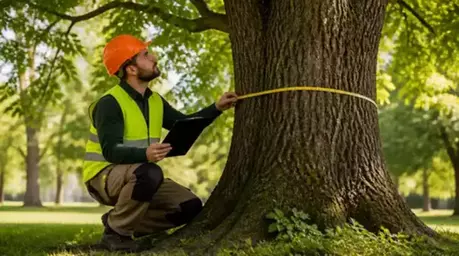
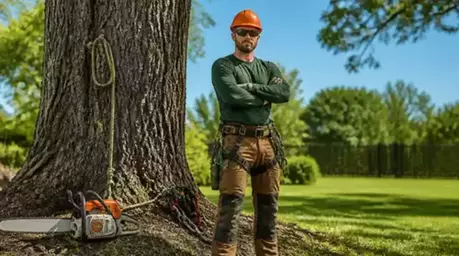
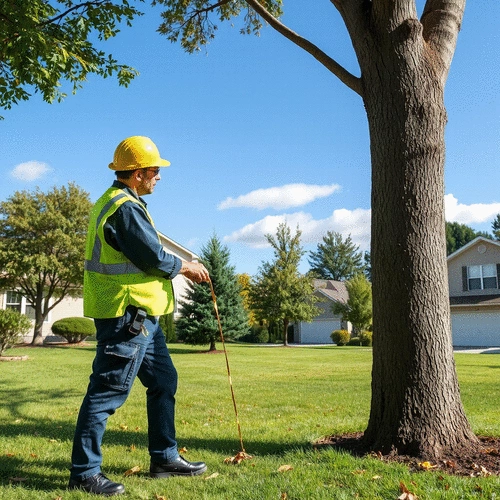
When it comes to maintaining the health of our trees, the role of a certified arborist can't be overstated. Certified arborists are professionals who have undergone extensive training and certification, equipping them with the knowledge to care for trees properly. At Arborist Atlas, I understand how crucial it is for homeowners and businesses to connect with these experts who prioritize tree health and safety.
Being a certified arborist means more than just having a title. It signifies a commitment to ongoing education and adherence to industry standards. With trees being such a vital part of our environment, having trained professionals manage them is essential for the well-being of our landscapes.
Defining Certified Arborists and Their Qualifications
So, what exactly qualifies someone as a certified arborist? Generally, these professionals possess specific credentials and experience that set them apart from others in the tree care industry. For instance, they typically have a strong foundation in tree biology, health, and maintenance practices. Understanding key credentials for certified arborists can help you make an informed decision.
Additionally, they must pass rigorous examinations and keep up-to-date with the latest practices and technologies in arboriculture. This ongoing education often involves attending workshops, seminars, and participating in industry-related conferences.
What Does ISA Certification Mean?
The International Society of Arboriculture (ISA) is one of the leading organizations that offer certification for arborists. Achieving ISA certification means that an arborist has met high standards in the field of tree care. They have demonstrated their expertise through a comprehensive examination covering a range of topics, including tree biology, soil management, and pest management.
Moreover, ISA-certified arborists are committed to ethical practices and environmental stewardship, ensuring that they provide the best care for the trees they manage. This certification serves as a reassuring factor for homeowners, knowing they are working with a professional who values tree health.
Key Organizations and Accreditations (ISA, ASCA, TCIA)
Besides ISA, there are other key organizations that help maintain standards in the arborist community. The American Society of Consulting Arborists (ASCA) and the Tree Care Industry Association (TCIA) are notable mentions. These organizations focus on different aspects of tree care, ensuring that arborists are well-equipped to handle various challenges in the field.
- ISA (International Society of Arboriculture) - Focuses on tree care education and certification.
- ASCA (American Society of Consulting Arborists) - Specializes in consulting arborists for complex tree care situations.
- TCIA (Tree Care Industry Association) - Provides resources, accreditation, and safety standards for tree care businesses.
By understanding these qualifications and organizations, you'll be better prepared to choose the right arborist for your needs. It's all about ensuring your trees receive the best possible care! After all, healthy trees not only enhance the beauty of our landscapes but also contribute significantly to our environment.
Importance of Arborist Certification Programs
Understanding the importance of arborist certification programs can greatly influence your decision when hiring a tree care professional. These programs are designed to ensure that arborists have the necessary knowledge and skills to perform their jobs safely and effectively. It’s essential for their ongoing education to reflect the latest advancements in tree care practices.
Furthermore, these certification programs help standardize quality across the industry, ensuring that regardless of where you are, you can expect a certain level of expertise and professionalism when hiring a certified arborist. This helps in finding local arborists you can trust.
Overview of Arborist Certification Programs
Arborist certification programs often cover a wide range of topics, including tree care techniques, pest management, and safety practices. These programs typically consist of a combination of coursework, examinations, and hands-on training. Participating in such programs not only enhances the skills of the arborists but also builds their credibility in the eyes of potential clients.
In addition, many arborists pursue additional certifications in specialized areas such as tree risk assessment or plant health care, further enhancing their expertise. This commitment to education reflects their dedication to providing quality service to customers.
Role of Local Arborist Associations and ISA
Local arborist associations play a vital role in supporting certified arborists within their communities. These organizations often provide networking opportunities, continuing education, and resources tailored to local tree care needs. They empower arborists to stay informed about regional challenges and solutions in tree care.
- Networking Opportunities: Meeting other professionals to share knowledge and experiences.
- Continuing Education: Workshops and seminars to keep skills current.
- Local Resources: Access to information relevant to specific regions.
Involvement in local associations not only enhances the skills of arborists but also strengthens the community's tree care network, ensuring that residents have access to qualified professionals when needed. At Arborist Atlas, we believe that fostering these connections is essential for promoting sustainable tree care practices.
Quick Summary
Here's a brief recap of the key points discussed so far:
- Certified arborists are essential for maintaining tree health and safety.
- ISA certification signifies expertise and commitment to ethical practices in tree care.
- Understanding the costs and services offered by arborists can help you make informed hiring decisions.
Evaluating Cost and Service Comparisons for Arborist Services
Understanding the costs associated with tree care services is crucial for any homeowner or business. The price of hiring a certified arborist can vary widely depending on several factors. To ensure you’re making an informed decision, it's essential to grasp the different pricing models available.
When considering tree care services, some key factors that may influence pricing include:
- Tree size and species
- Location and access challenges
- Complexity of the job (trimming, removal, or consultation)
- Experience and qualifications of the arborist
Understanding Pricing Models for Tree Care Services
Let’s delve deeper into how these factors come into play. For instance, larger trees or difficult-to-reach locations may require specialized equipment, which can increase costs. Additionally, a highly experienced arborist may charge more for their expertise, but this often translates to better service. Understanding these nuances can help you budget appropriately for your tree care needs!
Typical costs for common arborist services can vary, but here’s a general idea:
- Tree trimming: $300 to $1,500
- Tree removal: $400 to $2,000
- Consultation fees: $50 to $200
Cost Comparison of Tree Trimming Services vs. Tree Removal Services
While both trimming and removal are essential for tree care, understanding their cost differences can help you prioritize your needs. Generally, tree trimming is less expensive than removal, as it involves maintenance rather than total extraction. However, you should consider the specific circumstances of each tree, such as its health and location.
When deciding, ask yourself:
- Is the tree healthy enough to maintain?
- Does the tree pose a risk to nearby structures?
- What are your long-term landscaping goals?
By weighing these questions, you’ll be better equipped to choose the service that aligns with your needs and budget.
Building a Comprehensive Hiring Checklist
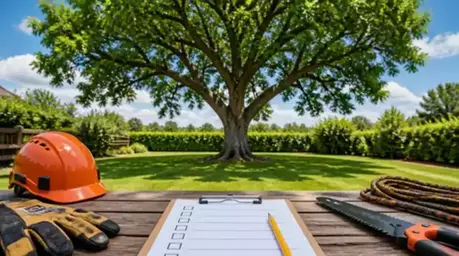
To ensure that you’re hiring the right arborist, creating a hiring checklist can be incredibly helpful. This checklist should include steps to verify credentials and insurance, as well as evaluating their past work. An organized approach will make your search smoother! If you need more guidance, consider our article on understanding professional tree care.
Here’s a handy checklist to follow:
- Verify ISA certification and other credentials.
- Confirm insurance coverage and liability protection.
- Request references and check online reviews.
- Review previous project photos or results.
Sample Proposal Template and Evaluation Framework
Once you’ve narrowed down potential arborists, asking for a proposal is a wise move. This document should outline the scope of work, pricing, and timelines. You can use a simple template to request necessary details, ensuring all key aspects are covered.
For evaluation, consider these criteria:
- Clarity of the proposal
- Transparency in pricing
- Experience with similar projects
- Availability and timeline for completion
Having an organized framework will help you compare your options effectively, ultimately leading to a satisfying hiring decision!
Post-Hire Considerations: Ensuring Quality and Satisfaction
After hiring an arborist, it's just as important to confirm that the work meets your expectations. I always encourage clients to communicate openly with their arborists throughout the process. This way, you can address any concerns promptly and ensure your trees are in good hands!
Some practical steps to ensure quality work include:
- Assessing the health of your trees post-service.
- Documenting the work done with photos or notes.
- Requesting a follow-up visit if necessary.
How to Confirm the Quality of Work Done by Arborists
Should any issues arise, understanding the dispute resolution processes is invaluable. Familiarize yourself with your rights as a client so you can advocate for your trees effectively. If any discrepancies occur, communicate your concerns and see how they can be resolved amicably.
Utilizing tools for tree health and risk assessment can also be beneficial. Regular evaluations will help catch problems early, ensuring your trees thrive long-term!
Frequently Asked Questions about Certified Arborists
Many people have questions when it comes to hiring certified arborists. Some common inquiries include:
- What qualifications should an arborist have?
- How do I know if the services are worth the cost?
- Are there specific requirements for tree care in my area?
These questions reflect a desire to make informed choices, which is exactly what our mission at Arborist Atlas is all about! We strive to provide the information you need to feel confident in your decisions. For more details on what to expect, read about tree service certifications explained.
Frequently Asked Questions (FAQs)
Here are some common questions about certified arborists and tree care:
- What is a certified arborist?
A certified arborist is a professional who has undergone extensive training, passed rigorous examinations, and is committed to ongoing education in tree biology, health, and maintenance practices. They are typically certified by organizations like the International Society of Arboriculture (ISA). - Why should I hire a certified arborist instead of a regular tree service?
Certified arborists possess specialized knowledge and adhere to industry standards, ensuring proper tree care that promotes health, longevity, and safety. They are equipped to diagnose and treat complex tree issues, reducing the risk of damage or improper pruning. - What does ISA certification mean?
ISA (International Society of Arboriculture) certification signifies that an arborist has met high standards of expertise through a comprehensive examination covering tree biology, soil management, pest management, and ethical practices. It demonstrates their commitment to environmental stewardship and quality tree care. - How much do arborist services cost?
Costs vary based on factors like tree size, species, location, complexity of the job (trimming vs. removal), and the arborist's experience. Tree trimming typically ranges from $300 to $1,500, while tree removal can cost $400 to $2,000. Consultation fees usually range from $50 to $200. - How can I ensure I'm hiring a qualified arborist?
Create a hiring checklist that includes verifying ISA certification and other credentials, confirming insurance coverage, requesting references, checking online reviews, and reviewing past work. Always ask for a detailed proposal outlining the scope of work and pricing.
Additional Resources for Tree Care and Arborist Services
For those looking to dive deeper into tree care, I recommend exploring local gardening clubs or community forums. Engaging with these groups can offer valuable insights and tips from fellow tree enthusiasts. Plus, you may even find recommendations for trusted arborists in your area!
Remember, taking the time to evaluate your options and ask the right questions will pay off in the long run. Happy tree care hunting!
Final Thoughts for Finding Qualified Arborists in Your Area
In summary, finding the right arborist involves careful consideration and research. By understanding the costs, utilizing checklists, and ensuring quality post-hire, you’ll be well-equipped to make the best choice for your trees.
Don’t hesitate to start your search for certified arborists today! With the right guidance and resources, you can ensure the health and beauty of your trees for years to come.
Recap of Key Points
Here is a quick recap of the important points discussed in the article:
- Certified arborists are trained professionals who ensure the health and safety of trees through ongoing education and adherence to industry standards.
- The International Society of Arboriculture (ISA) certification is a key credential that signifies an arborist's expertise in tree care practices.
- Understanding the factors that influence tree care service costs, such as tree size, location, and the arborist's experience, is essential for budgeting.
- Creating a comprehensive hiring checklist helps verify credentials, insurance, and past work quality when selecting an arborist.
- Post-hire, maintaining open communication and assessing the quality of work ensures that your trees receive the best care possible.