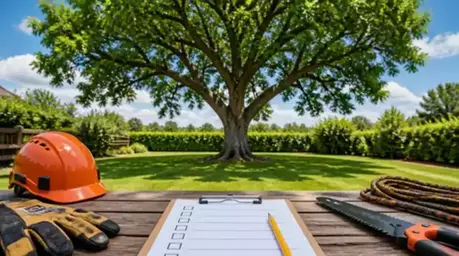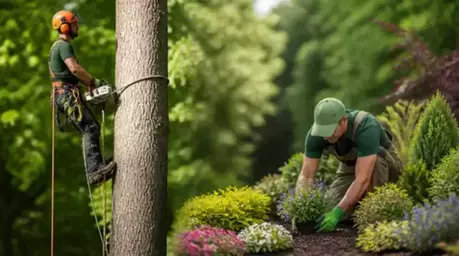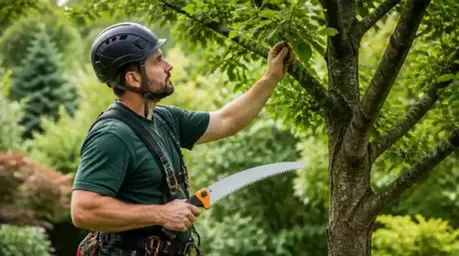
Investing in your property's green assets not only enhances beauty but also ensures safety for your family and guests. Regular tree health assessments are essential for maintaining tree vitality, especially in the face of climate change. Here are the key takeaways you will learn from the importance of professional tree health assessments.
What You Will Learn
- Regular tree health assessments help identify early signs of disease and structural issues, promoting long-term safety.
- Hiring certified arborists ensures expert evaluations, as they have specialized training and tools to assess tree health accurately.
- Proactive maintenance strategies, like pruning and soil analysis, are essential for sustaining tree health and preventing future problems.
- Climate change poses new challenges to tree health, making regular assessments crucial for adapting care strategies to evolving conditions.
- The tree care industry plays a vital role in urban forestry, providing education and promoting sustainable practices for healthier environments.
Key Benefits of Professional Tree Health Assessments
Understanding the various advantages of regular tree health assessments can help you maintain a safer and healthier environment. For more insights on safeguarding your property, consider the importance of professional tree care.
Early Detection
Spot diseases and pest infestations before they become severe.
Structural Safety
Ensure trees are structurally sound, reducing risks of falling branches.
Cost Savings
Regular assessments can save you money by preventing emergency removals.
Community Safety
Assessments help prevent accidents and injuries associated with unhealthy trees.
The Value of Professional Tree Health Assessments for Homeowners and Property Managers
As a homeowner or property manager, ensuring the health of your trees is crucial not just for aesthetics but also for safety. A professional tree health assessment is a thorough examination that evaluates the condition of your trees. By understanding the health of your trees, you can prevent potential hazards and maintain their beauty and longevity.
Understanding Tree Health Assessments: A Key to Safety and Longevity
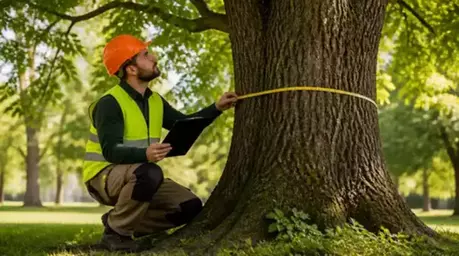
Tree health assessments involve a careful evaluation of various factors affecting tree well-being. These assessments look for signs of disease, structural integrity, and environmental stressors that could impact tree health. When done regularly, they serve as an early warning system, helping you address issues before they escalate.
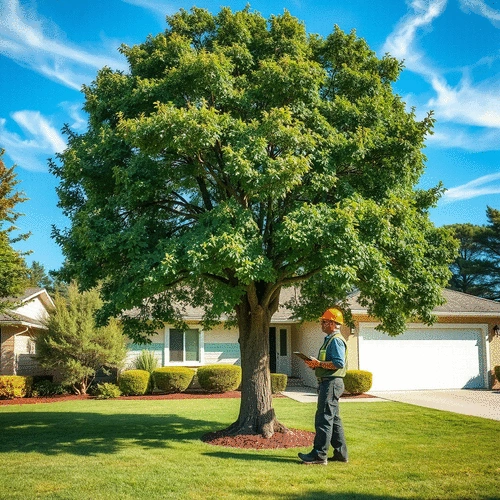
Whether it’s a towering oak in your backyard or a cluster of decorative trees lining your driveway, understanding their health is essential. You want to ensure that they provide not only beauty but also safety for your family and guests! Finding a reliable arborist is key; you can find local arborists easily through trusted resources.
Why Hire Certified Arborists for Tree Health Assessments?
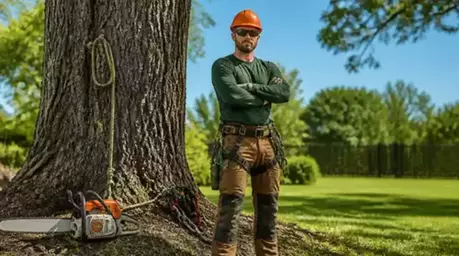
Hiring a certified arborist is one of the best decisions you can make for comprehensive tree health assessments. These professionals have the training and experience necessary to spot subtle signs of distress that an untrained eye might miss. They utilize state-of-the-art tools and techniques, such as sonic tomography and resistographs, to analyze tree health thoroughly.
- Certifications: Look for arborists with credentials from recognized organizations like the International Society of Arboriculture (ISA).
- Tools: Certified arborists use specialized equipment to assess tree structure and health accurately.
- Experience: Their experience with local tree species and conditions means they understand the specific challenges your trees may face.
The Role of Arboriculture in Tree Health Management
Arboriculture is the practice of managing trees and shrubs in urban environments, and it plays a vital role in tree health assessments. With a focus on sustainable practices, certified arborists apply their knowledge to ensure trees thrive in their specific environments. This includes understanding soil conditions, water needs, and potential pest threats.
By incorporating arboricultural principles, assessments become more effective in fostering tree health and longevity. This approach not only benefits your trees but also enhances your property’s overall landscape!
Benefits of Professional Tree Health Assessments
Investing in professional tree health assessments brings numerous benefits that go beyond just aesthetics. Here are some key advantages:
- Early detection: Spot diseases and pest infestations before they become severe.
- Structural safety: Ensure trees are structurally sound, reducing risks of falling branches.
- Cost savings: Regular assessments can save you money by preventing emergency removals.
- Community safety: Assessments help prevent accidents and injuries associated with unhealthy trees.
By understanding the value of these assessments, you can make informed decisions that protect your trees and maintain a safe environment for everyone. So, when considering your tree care needs, don’t hesitate to reach out to Arborist Atlas, where I, Caleb Ashford, am passionate about connecting you with experienced professionals who prioritize tree health and safety! When looking for a professional, it's helpful to know key questions to ask when hiring arborists to ensure you get the best service.
Pro Tip
Did you know that integrating technology into your tree health assessments can enhance accuracy and efficiency? Tools like drones and mobile apps allow arborists to assess large areas quickly and identify potential issues from above. This innovative approach not only saves time but also provides a comprehensive view of your trees' health, helping to catch problems early!
Understanding the Impact of Climate Change on Tree Health Assessments
Climate change is more than just a buzzword; it has real implications for our trees and their health. As global temperatures rise and weather patterns shift, trees face new challenges that can affect their longevity and safety. Regular tree health assessments become crucial in this context, allowing us to understand how changes in climate are impacting tree vitality and resilience.
For instance, increased temperatures can lead to higher instances of pests and diseases that thrive in warmer conditions. This is where professional assessments shine! They help identify these threats early, ensuring that trees receive the necessary care before problems escalate. By being proactive, we can better safeguard our community’s green assets.
How Climate Change Affects Tree Health and Safety
It's essential to grasp the various ways climate change influences our trees. Here are some of the key factors:
- Increased Pest Populations: Warmer weather can lead to a surge in insects that harm trees.
- Extreme Weather Events: More frequent storms can cause physical damage to trees, making assessments critical.
- Soil Erosion: Heavy rains can wash away nutrients, impacting tree growth.
- Water Stress: Drought conditions can weaken trees, making them susceptible to diseases.
These factors underscore the need for regular assessments. With Arborist Atlas, we focus on providing you with the resources needed to stay informed and proactive about tree health amid these changes. The more we understand these risks, the better we can manage our trees.
Encouraging Proactive Maintenance and Tree Care Strategies
Proactive tree maintenance is not just about addressing issues as they arise; it’s about planning for the future. By integrating practices like pruning and soil analysis into your tree care regimen, you can help ensure the long-term health of your trees. This approach allows you to stay one step ahead!
Pruning and Soil Analysis as Part of Tree Care
Incorporating both pruning and soil analysis into tree health assessments can significantly enhance the overall wellness of your trees. Here’s how:
- Pruning: Regular pruning helps to remove dead or diseased branches, promoting healthy growth and improving safety.
- Soil Analysis: Understanding soil composition ensures that trees receive the right nutrients, which is vital for their growth.
- Monitoring Growth: Keeping an eye on tree growth patterns can reveal underlying issues early, which is key to effective management.
At Arborist Atlas, we emphasize the importance of these strategies! They not only contribute to the aesthetics of your landscape but also to the overall health of your trees. Engaging in proactive maintenance is a wise investment in the future of your property. For more detailed guidance, learn about understanding tree pruning services.
The Importance of Tree Care Industry Practices for Urban Forestry
Urban forestry is not just about planting trees; it’s about creating a sustainable environment that supports both human and ecological health. The tree care industry plays a pivotal role in this effort. Here are some contributions that professionals make:
- Educational Initiatives: Arborists often conduct workshops to teach community members about tree care.
- Collaborative Efforts: Tree care professionals work with local governments to promote sustainable practices.
- Innovative Solutions: They implement new technologies to monitor tree health and ensure public safety.
By prioritizing these practices, we can cultivate healthier urban spaces. It’s rewarding to see how dedicated arborists like those we connect with at Arborist Atlas are making a difference in our communities!
Final Thoughts: Proactive Tree Health Management and Safety
As we’ve explored, regular tree health assessments are essential for maintaining the health and safety of our trees. They provide critical insights that allow us to take timely action against potential threats, from pests to climate-related challenges. It’s clear that investing in professional assessments pays off in the long run!
Summary of Key Takeaways from Professional Assessments
To recap, here are a few key takeaways from our discussion:
- Regular assessments help catch early signs of tree diseases and structural concerns.
- Proactive maintenance, including pruning and soil analysis, is vital for tree longevity.
- The tree care industry plays a crucial role in promoting sustainable urban forestry practices.
Taking these steps can significantly enhance the safety and health of our trees, ensuring we can enjoy them for years to come. So, let’s embrace a proactive approach!
Call to Action: Engage a Certified Arborist for Your Tree Health Assessment Needs
If you’re ready to take the next step in maintaining your trees, consider reaching out to a certified arborist. At Arborist Atlas, we’re committed to connecting you with knowledgeable professionals who can provide the expert assessments your trees need. Don’t wait for issues to arise—invest in your landscape’s health today! For more information on why choosing the right professional matters, read about identifying reliable tree care services.
Recap of Key Points
Here is a quick recap of the important points discussed in the article:
- Regular tree health assessments are essential for identifying diseases, structural issues, and environmental stressors early.
- Hiring certified arborists ensures thorough evaluations, utilizing advanced tools and techniques for accurate assessments.
- Proactive maintenance practices, such as pruning and soil analysis, contribute significantly to tree health and longevity.
- Understanding the impact of climate change is crucial for effective tree management and to address emerging threats.
- The tree care industry plays a vital role in sustainable urban forestry and community education on tree care practices.