When it comes to tree care, the right expertise makes all the difference. A simple choice can impact the health and beauty of your landscape for years to come. Are you ready to delve into the essentials of selecting a professional arborist?
Key Takeaways
- Recognize signs that indicate your trees need professional care, such as disease symptoms and structural issues.
- Local arborists possess valuable knowledge about unique climate and soil conditions, enhancing the care your trees receive.
- Hiring certified arborists ensures your trees are attended by professionals who understand tree biology and safety standards.
- Always request written estimates that detail the scope of work and costs to avoid unexpected expenses.
- Be vigilant about contracts; look for clarity and avoid agreements with vague terms or missing information.
- Prioritize safety by ensuring your arborist follows proper protocols and uses well-maintained equipment.
- Engage with your arborist by asking specific questions about their methods and recommendations for tree health.
- Discuss long-term care strategies and preventative measures to enhance the longevity of your trees.
Cost Estimates for Tree Services
The following provides a summary of average costs associated with common tree services, aiding in budget planning and comparisons.
Tree Removal
Estimated Cost: $200 - $2,000
Tree Pruning
Estimated Cost: $300 - $1,000
Stump Grinding
Estimated Cost: $100 - $400
Understanding the Importance of Choosing the Right Arborist
Choosing the right arborist can make all the difference in maintaining the health and beauty of your trees. Have you ever looked at a tree in your yard and wondered whether it’s receiving the care it needs? Professional tree care services are essential for keeping your trees healthy and thriving, and knowing how to choose an arborist is the first step in that journey!
Many homeowners might not realize that trees are living organisms that require specific care. Without the right attention, trees can develop problems that affect their growth and stability. This is where professionals come in, providing the expertise needed to diagnose and treat tree issues before they become serious. By recognizing the need for professional tree care, you set yourself up for success in maintaining your landscape.
Recognizing the Need for Professional Tree Care Services
So, how do you know when it's time to call in a professional? Here are a few signs that indicate your trees may need expert attention:
- Visible signs of disease, such as discoloration or leaf drop.
- Structural issues, like leaning or cracks in the trunk.
- Uncontrolled growth that may interfere with power lines or structures.
Understanding these signs can help you act quickly and prioritize the health of your trees. As someone who cares deeply about tree care, I always recommend monitoring your trees regularly and being proactive. Remember, the sooner you address any concerns, the better chance your trees have to thrive!
How Local Expertise Influences Tree Health
When it comes to tree care, local expertise is invaluable. Every region has its unique climate, soil conditions, and native tree species, all of which play a role in how trees should be cared for. A local arborist will be familiar with these factors, enabling them to tailor their care to meet the specific needs of your trees. This ensures they receive the best possible treatment!
Additionally, local arborists often have established relationships with local nurseries and suppliers, giving you access to the best resources available. This connection can make a significant difference in the quality of care your trees receive. To maximize the health of your trees, always seek out professionals who understand the intricacies of your local environment.
Role of Certified Arborists in Tree Care
Certified arborists are professionals who have undergone rigorous training and testing to assess tree health and provide the necessary care. Their certification often comes from organizations like the International Society of Arboriculture (ISA), which is a testament to their expertise. But what does this mean for you?
- They possess in-depth knowledge of tree biology and care practices.
- They stay updated on the latest techniques and safety standards.
- They can identify potential hazards and recommend preventive measures.
Hiring a certified arborist gives you peace of mind knowing that your trees are in qualified hands. At Arborist Atlas, we believe in connecting you with these skilled professionals—because your trees deserve the best care possible!
Pro Tip
When choosing an arborist, consider asking for references from previous clients. This can provide insight into their quality of work and reliability. A reputable arborist should be more than willing to share testimonials or connect you with satisfied customers. Their past performance can give you confidence in your choice and ensure that your trees receive the best care possible!
Understanding Quotes and Contracts When Hiring an Arborist
When it comes to hiring an arborist, understanding quotes and contracts is crucial. A clear and detailed estimate helps set expectations and ensures both parties are on the same page. I always recommend asking for written estimates that outline the scope of work, materials, and labor costs. This way, you can compare apples to apples when looking at different arborists.
One key aspect to look for in these estimates is transparency. A reputable arborist should provide a breakdown of all charges, making it easier for you to see where your money is going. You can look for items such as:
- Cost of removing a tree
- Pricing for pruning or trimming
- Additional fees for cleanup and disposal
Understanding these components helps you avoid surprises down the road. Once you receive the quotes, take your time to review them carefully before making a decision!
Legal Contracts and Red Flags in Agreements
Legal contracts are another critical part of hiring an arborist, and knowing what to look out for can save you a lot of headaches. A well-crafted contract should clearly state the terms of service, including the estimated timeline for the project and payment details. If you see vague language or no specific timelines, consider that a red flag!
Other warning signs to watch for include:
- Lack of an official business name or contact information
- No mention of insurance or licensing
- Unclear cancellation policies
Be sure to discuss any concerns with your potential arborist, as their willingness to clarify details can indicate their professionalism. At Arborist Atlas, we emphasize the importance of transparency in all agreements.
Cost Estimates for Tree Services: What to Expect
Understanding cost estimates is vital when budgeting for tree services. While prices can vary widely based on location and the complexity of the job, having a general idea can help you plan accordingly. On average, you might expect the following costs for common tree services:
| Service | Estimated Cost |
|---|---|
| Tree Removal | $200 - $2,000 |
| Tree Pruning | $300 - $1,000 |
| Stump Grinding | $100 - $400 |
Keep in mind that these are just estimates, and the final price can be influenced by factors like the size of the tree and the accessibility of the site. Always feel free to ask the arborist for a detailed breakdown of costs based on your specific needs!
Ensuring Safety and Ethical Practices in Tree Care
When hiring an arborist, safety should be a top priority. Understanding their emergency response protocols can give you peace of mind. A qualified arborist should have clear procedures in place for dealing with hazardous situations, such as storm damage or falling trees.
In addition to safety protocols, it's essential to recognize the signs of scams, especially from door-knockers and unlicensed services. Here are some tips to help you avoid these pitfalls:
- Never hire someone who approaches you unsolicited
- Check for valid credentials and references
- Be cautious of unusually low prices
By keeping these points in mind, you'll be better equipped to choose an arborist who practices safety and ethics. I value the importance of these practices at Arborist Atlas, where we prioritize connecting you with trusted professionals who uphold the highest standards.
Chainsaw Safety and Arborist Equipment Standards
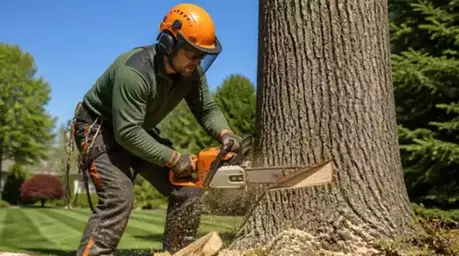
Another essential consideration when hiring an arborist is their adherence to chainsaw safety and equipment standards. Arborists should use well-maintained, high-quality tools to ensure both their safety and the safety of your property. Equipment checks should be a routine practice for any reputable arborist.
Some key safety features and practices include:
- Use of personal protective equipment (PPE)
- Regular maintenance of chainsaws and other tools
- Training and certification in equipment safety
By ensuring your arborist follows these standards, you can feel confident that the job will be handled safely and effectively.
Engaging with Your Arborist: Questions to Ask
Engaging with your arborist from the beginning will help build a strong working relationship. Start by asking essential questions that clarify their approach to tree care. For instance, inquire about their methods for diagnosing tree health issues and how they tailor their services to suit different tree species.
Some important questions to consider include:
- What specific techniques do you use for tree pruning?
- How do you assess tree risks and health?
- What ongoing maintenance do you recommend?
These discussions not only show your interest but also allow you to gauge their expertise and commitment to tree health. At Arborist Atlas, I believe that the right questions can lead to informed decisions and long-lasting tree care solutions!
Long-Term Tree Health and Maintenance Considerations
Long-term tree health is another crucial aspect to discuss. Your arborist should provide insights into how various services contribute to the overall well-being of your trees. Emphasizing preventative care can save you money and stress down the line. Factors to consider include:
- Seasonal pruning schedules
- Fertilization and soil health
- Pest and disease management
Understanding these elements will help you make informed choices, ensuring your trees remain healthy and vibrant for years to come!
Inquiring About Tree Pruning Techniques and Tree Risk Assessment
Finally, it's wise to ask about specific pruning techniques and how the arborist assesses tree risk. There are various methods for pruning, and a competent arborist should be able to explain their approach and rationale. Understanding their risk assessment process will give you confidence in their ability to manage potential hazards.
Some points to discuss might be:
- How do you determine when a tree needs pruning?
- What signs of risk do you look for in trees?
- Can you provide a written assessment of my trees?
These conversations can shed light on their expertise and help you establish a collaborative partnership focused on maintaining your landscape. At Arborist Atlas, I strive to connect homeowners like you with arborists who prioritize comprehensive care!
Frequently Asked Questions About Hiring an Arborist
- Q: How do I know if my trees need professional care?
- A: Look for signs like visible disease (discoloration, leaf drop), structural issues (leaning, cracks), or uncontrolled growth that might interfere with structures or power lines. Regular monitoring is key.
- Q: Why is local expertise important when choosing an arborist?
- A: Local arborists understand the unique climate, soil conditions, and native tree species of your region. This knowledge allows them to provide tailored care that is most effective for your trees.
- Q: What is a certified arborist, and why should I hire one?
- A: A certified arborist has undergone rigorous training and testing, often from organizations like the International Society of Arboriculture (ISA). They have in-depth knowledge of tree biology, care practices, and safety standards, ensuring your trees receive expert attention.
- Q: What should I look for in an arborist's estimate and contract?
- A: Always request a written estimate that details the scope of work, materials, and labor costs. Look for transparency in charges. In contracts, ensure clear terms of service, timelines, and payment details. Be wary of vague language, lack of business information, or missing insurance details.
- Q: What are typical costs for common tree services?
- A: Estimated costs can vary: Tree Removal ($200-$2,000), Tree Pruning ($300-$1,000), and Stump Grinding ($100-$400). These are estimates, and actual prices depend on factors like tree size and accessibility.
Recap of Best Practices for Choosing an Arborist Near You
In wrapping up, remember that choosing the right arborist involves careful consideration of multiple factors, from understanding quotes to engaging in meaningful conversations. By summarizing these key points, you can feel more confident in your decision-making process:
- Always request written estimates and contracts
- Prioritize safety and ethics in tree care
- Engage in discussions about tree health and maintenance
By following these best practices, you'll be well on your way to finding a trusted arborist who meets your needs. I encourage you to take the time to research and utilize local resources, like Arborist Atlas, to find certified professionals in your area!
Call to Action: Reach Out for Local Arborist Recommendations
If you're ready to take the next step in caring for your trees, don’t hesitate to reach out for local arborist recommendations. Our team at Arborist Atlas is here to help you connect with qualified professionals who can provide the expert care your trees deserve. Together, let’s ensure the health and beauty of your landscape!
Recap of Key Points
Here is a quick recap of the important points discussed in the article:
- Recognize the signs that your trees need professional care, such as visible disease, structural issues, or uncontrolled growth.
- Choose a local arborist who understands the specific climate and soil conditions in your area for tailored tree care.
- Hire certified arborists for their expertise in tree biology, safety standards, and hazard identification.
- Request written estimates and ensure transparency in quotes to avoid unexpected costs.
- Pay attention to legal contracts, identifying any red flags such as vague language or lack of credentials.
- Prioritize safety by ensuring your arborist follows proper equipment standards and emergency protocols.
- Engage with your arborist by asking about their methods, ongoing maintenance recommendations, and tree risk assessment processes.
- Emphasize long-term tree health through regular maintenance, including seasonal pruning, fertilization, and pest management.