Have you ever looked at a beautiful tree and wondered what it takes to keep it healthy and thriving? Understanding the role of tree care professionals, particularly arborists, can not only enhance your landscape but also significantly impact your environment. Let's explore the essential lessons you can learn about tree care services!
What You Will Learn
- Arborists specialize in diagnosing tree diseases, performing pruning, and ensuring safe tree removal.
- The distinction between arborists and landscapers is crucial; arborists focus on tree health while landscapers prioritize aesthetics.
- Regular tree health assessments by arborists can extend the life of your trees and prevent safety hazards.
- Choosing certified arborists ensures you're getting qualified professionals who adhere to industry best practices.
- Transparency in pricing and detailed estimates are vital when selecting tree care services to avoid hidden costs.
- Be vigilant against scams in the tree care industry by recognizing red flags such as unsolicited offers and unusually low prices.
- Insured and licensed arborists provide peace of mind and protect you from liability in case of accidents on your property.
- Understanding the cost and value of tree care services can help you make informed decisions and save money in the long run.
Overview of Arborist Services and Responsibilities
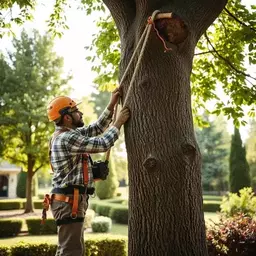
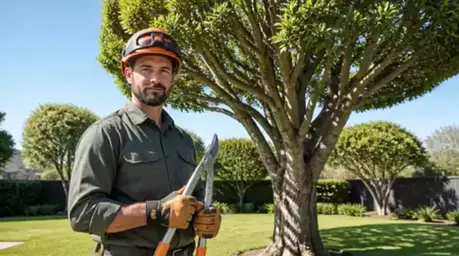
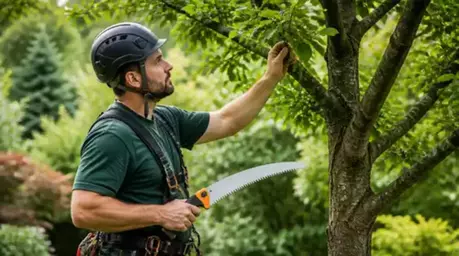
Tree care professionals, or arborists, play a crucial role in maintaining the health and stability of trees. Here are key aspects of their services represented visually below. If you're looking for more comprehensive information, make sure to check out our guide on understanding professional tree care.
Common Arborist Responsibilities
- Diagnosing tree diseases and pests
- Performing pruning and trimming
- Safe tree removal when necessary
- Advising on tree planting and care
Benefits of Professional Tree Care
- Enhances landscape beauty
- Improves air quality
- Increases property value
- Provides shade and safety
Tree Health Assessment Techniques
- Visual inspections for disease
- Soil testing for nutrients
- Risk assessments for hazards
Choosing a Trustworthy Arborist
- Check for insurance and licenses
- Look for detailed, transparent pricing
- Avoid unsolicited offers
- Ask about certifications from reputable organizations
Understanding the Role of Tree Care Professionals
When it comes to maintaining the health of our trees, it's crucial to understand the role of tree care professionals. These experts, commonly known as arborists, bring a wealth of knowledge and experience to the table. Have you ever wondered what makes an arborist different from a regular landscaper? Let's dive into the details!
What Does an Arborist Really Do?
An arborist specializes in the care and maintenance of trees. Their work encompasses a variety of tasks aimed at keeping trees healthy, stable, and thriving. Some common responsibilities include:
- Diagnosing tree diseases and pests
- Performing pruning and trimming for proper growth
- Ensuring safe tree removal when necessary
- Advising on tree planting and care
Understanding what an arborist does goes beyond just tree care. They take a holistic approach, considering the tree's environment, health, and potential risks. This comprehensive view helps ensure that your trees are not just surviving but flourishing! For more insights, explore our article on key differences between arborists and landscapers.
Differentiating Arborists from General Landscapers
While both arborists and landscapers care for outdoor spaces, their expertise differs significantly. Landscapers often focus on the aesthetics of gardens and lawns, whereas arborists are trained specifically in tree biology and health. This distinction is critical because trees require specialized care that goes beyond mere appearance.
For example, a landscaper may plant a tree, but an arborist will ensure it's planted correctly for optimal growth and health. Understanding this difference can help you make informed choices about who to hire for your tree care needs.
The Importance of Tree Health and Stability
Healthy trees contribute to both the beauty of our landscapes and the overall environment. They provide shade, improve air quality, and even enhance property value. However, to reap these benefits, we need to prioritize tree health and stability. An arborist plays a key role in identifying potential issues early, helping to prevent bigger problems down the road.
For instance, a stable tree is less likely to become a hazard during storms. By ensuring your trees are healthy, you're not just preserving beauty; you're also enhancing safety for your family and community.
Tree Health Assessment and Maintenance
Regular assessments are essential for keeping your trees in top shape. Arborists utilize various techniques to evaluate tree health, including:
- Visual inspections for signs of disease or damage
- Soil testing to ensure proper nutrient levels
- Tree risk assessments to identify potential hazards
By undertaking these assessments, an arborist can create a tailored maintenance plan that addresses your tree's specific needs. This proactive approach can ultimately extend the life of your trees and improve their resilience against environmental stressors.
Professional Certifications and Training for Arborists
Choosing an arborist with the right qualifications is crucial. Certified arborists have undergone rigorous training and testing to ensure they possess the necessary skills and knowledge. Look for certifications from recognized organizations, such as the International Society of Arboriculture (ISA), which can provide peace of mind.
These credentials indicate a commitment to ongoing education and adherence to industry best practices. Working with a certified arborist means you're investing in the best possible care for your trees, reflecting the mission of Arborist Atlas to connect you with professionals who uphold high standards in tree care. Before making a decision, consider our guide on key questions to ask when hiring arborists.
Quick Summary
Let's recap the essential points discussed so far:
- Arborists specialize in tree health and maintenance, offering services like disease diagnosis, pruning, and safe tree removal.
- Understanding the difference between arborists and landscapers is crucial for making informed decisions about tree care.
- Regular tree health assessments are vital for identifying issues early and ensuring long-term stability and beauty.
Building Trust in Tree Care Services
When choosing a tree care professional, trust is everything! At Arborist Atlas, I understand that homeowners want assurance that their trees will be treated with care and expertise. This is why transparency in pricing and services is crucial. You should always feel confident that you know what you’re paying for and what to expect from the services offered.
One effective way to build trust is by asking for detailed quotes. A trustworthy arborist will break down costs and explain each service, ensuring there are no hidden fees. Remember, clear communication establishes a solid foundation for your working relationship with an arborist.
Transparency in Pricing and Services
Here’s what to keep in mind when evaluating pricing transparency:
- Detailed Estimates: Look for professionals who provide written quotes that outline services and costs.
- Service Breakdown: Ensure the quotes detail what each service entails—this includes labor, equipment, and any materials needed.
- Open Communication: A good arborist will happily discuss their pricing structure and answer any questions you have.
By taking these steps, you’ll avoid surprises and ensure that you’re getting the best value for your tree care needs!
How to Avoid Scams in the Tree Care Industry
It’s unfortunate, but scams can happen in any industry, and tree care is no exception. To protect yourself, keep an eye out for these warning signs:
- Unsolicited Offers: Be wary of tree care services that come knocking on your door after a storm.
- Too Good to Be True Prices: If the price seems significantly lower than market rates, it’s a red flag.
- Lack of Credentials: Always check for insurance and necessary certifications to validate their expertise.
By being vigilant, you can safeguard yourself from potential scams and find a reputable tree care professional.
Insurance and Licensing: Why They Matter
Insurance and licensing are vital aspects of choosing a tree care professional. Here’s why they should be non-negotiable in your selection process:
- Liability Coverage: An insured arborist protects you from liability in case of accidents on your property.
- Workmanship Guarantee: Licensed professionals are often held to higher standards, which translates to better service.
- Peace of Mind: Knowing your arborist is insured and licensed allows you to relax while they work on your trees.
So, don't hesitate to ask about these important credentials when you're considering a tree care professional! For more details, explore why tree service insurance matters.
Cost of Tree Care and Value Assessment
Understanding the cost of tree care services can sometimes be overwhelming. However, it's essential to evaluate the value each service provides. Here’s a breakdown of what to consider:
- Service Type: Different services (like pruning, removal, or planting) come with varying costs.
- Tree Size and Condition: Larger trees or those needing significant care will likely incur higher charges.
- Long-term Benefits: Investing in routine maintenance can save you money in the long run by preventing more extensive issues.
By assessing these factors, you’ll better understand tree care costs and make more informed decisions. Remember, at Arborist Atlas, I’m here to help guide you through these considerations! To easily find qualified professionals, use our tool to find local arborists easily.
Frequently Asked Questions (FAQs) About Tree Care Professionals
- What is an arborist and what do they do?
- An arborist is a tree care professional specializing in the health, maintenance, and safety of individual trees. Their responsibilities include diagnosing diseases and pests, performing pruning, safe tree removal, and advising on tree planting and care.
- How do arborists differ from general landscapers?
- While both work in outdoor spaces, arborists have specialized training in tree biology, health, and risk assessment. Landscapers generally focus on the aesthetic design and maintenance of entire gardens and lawns, including planting but not necessarily the specialized health care of trees.
- Why is regular tree health assessment important?
- Regular tree health assessments by an arborist help detect issues like diseases, pests, or structural weaknesses early. This proactive approach can prevent larger problems, extend the life of your trees, and mitigate safety hazards, especially during severe weather.
- What certifications should I look for in an arborist?
- It's crucial to hire arborists certified by recognized organizations, such as the International Society of Arboriculture (ISA). These certifications indicate that the arborist has met rigorous standards for knowledge, ethics, and practical skills in tree care.
- How can I ensure transparency in tree care pricing?
- Always request detailed, written estimates that clearly outline all services, labor, equipment, and materials. A reputable arborist will openly discuss their pricing structure and answer any questions to ensure there are no hidden costs or surprises.
- What are common red flags to watch out for to avoid tree care scams?
- Be cautious of unsolicited offers, especially after storms, prices that seem too good to be true, and professionals who lack proper insurance or certifications. Always verify credentials and seek multiple quotes before committing to a service.
- Why is it important for an arborist to be insured and licensed?
- Insurance protects you from liability in case of accidents or damage to your property during tree work. Licensing indicates that the arborist meets professional standards and is authorized to operate in your area, providing peace of mind and ensuring quality service.
Recap of Key Points
Here is a quick recap of the important points discussed in the article:
- Arborists specialize in tree care, performing tasks such as diagnosing diseases, pruning, and advising on planting.
- Understanding the difference between arborists and landscapers is crucial for optimal tree health.
- Regular assessments by arborists help maintain tree health and prevent hazards.
- Hiring certified arborists ensures quality care, as they possess the necessary training and knowledge.
- Transparency in pricing is vital; look for detailed estimates and clear communication from your arborist.
- Be cautious of scams by recognizing red flags, such as unsolicited offers and unusually low prices.
- Always confirm that your arborist is insured and licensed to ensure safety and quality service.
- Evaluate the cost of tree care services based on service type, tree size, and long-term benefits.