The health and beauty of your landscape hinge on the professionals you hire for tree care. However, can you afford the risk of hiring an uninsured tree service? Understanding the critical role of insurance and certifications can save you from unexpected liabilities and ensure the safety of your property.
What You Will Learn
- The risks of hiring uninsured tree services: You may face financial liabilities for property damage and worker injuries if the service lacks insurance.
- Importance of Certificates of Insurance (COI): A COI confirms that a tree service is adequately insured, providing you with peace of mind and protection against potential claims.
- Essential types of insurance for tree service companies: Key coverages include workers' compensation, general liability, professional liability, and commercial auto insurance.
- Proactive steps for hiring tree services: Always request a COI, check for industry certifications, and inquire about safety practices to ensure the service provider is qualified and accountable.
Essential Types of Insurance for Tree Service Companies
Understanding the different types of insurance that protect both the service providers and homeowners is critical. Below are the key types. For more detailed insights into what to look for, consider these key questions when hiring arborists:
Workers’ Compensation Insurance
Covers medical costs and lost wages for workers injured on the job.
General Liability Insurance
Protects against claims of bodily injury and property damage.
Professional Liability Insurance
Covers claims of negligence or failure to perform professional duties.
Commercial Auto Insurance
Covers vehicles used for business purposes, protecting against accidents.
Bonding and Licensing
Ensures that the service provider is credible and complies with regulations.
Understanding the Importance of Tree Service Insurance and Certifications
When it comes to maintaining the beauty and health of our trees, hiring the right tree service is crucial. However, what many homeowners may overlook is the importance of insurance and certifications. Understanding these aspects can protect not only your property but also your overall investment in tree care.
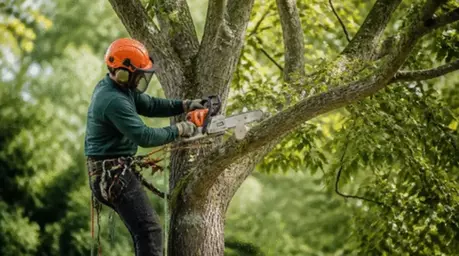
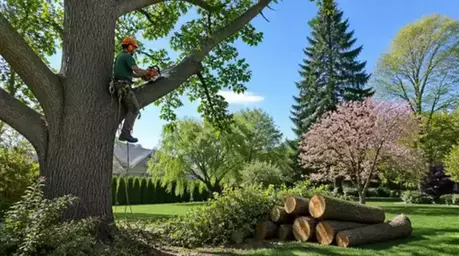
Imagine this scenario: you hire a tree service to prune a large oak in your backyard. Suddenly, a branch falls and damages your fence or, worse yet, injures someone nearby. Without the proper insurance, you could be facing hefty liabilities. That's why it's essential to grasp the risks associated with hiring uninsured tree services.
Recognizing the Risks of Hiring Uninsured Tree Services
Hiring uninsured tree services can expose you to various liabilities, including property damage and personal injuries. Here are some of the primary risks involved:
- Property Damage: If a tree service causes damage to your home or landscaping, you could be responsible for repair costs.
- Injuries to Workers: If a worker is injured on your property, you may face legal claims that could lead to significant financial burdens.
- Lack of Accountability: Without insurance, there’s little recourse if the service fails to perform as promised or accidentally harms your property.
As someone who cares about their landscape and wants to ensure it thrives, I can’t stress enough the importance of verifying insurance coverage. It’s an essential step in protecting your investment and ensuring peace of mind. For further guidance on selecting reliable professionals, learn how to find local arborists easily.
Why Certificates of Insurance (COI) Matter for Homeowners
One of the best ways to protect yourself when hiring a tree service is to request a Certificate of Insurance (COI). A COI serves as proof that the company is adequately insured and helps safeguard you from potential claims. Here’s why this matters:
- Proof of Coverage: A COI confirms that the tree service has liability insurance, which can cover costs in case of accidents.
- Peace of Mind: Knowing that the company is insured allows you to focus on your tree care needs without worrying about financial repercussions.
- Protecting Your Assets: If something goes wrong, having a COI means you're less likely to be held financially responsible.
At Arborist Atlas, we encourage all homeowners to request a COI before any work begins. It’s a small step that can save you from significant headaches down the line!
Essential Types of Insurance for Tree Service Companies
To fully understand tree service insurance, it’s essential to know the different types that protect both the service providers and homeowners. Having the right insurance is absolutely crucial for tree service companies, and here are the key types:
- Workers’ Compensation Insurance
- General Liability Insurance
- Professional Liability Insurance
- Commercial Auto Insurance
- Bonding and Licensing
By ensuring that the tree service you choose has these essential insurance types, you not only enhance the safety of your home but also the well-being of your community’s trees! Understanding these types of coverage is crucial for making informed decisions, much like understanding the steps to finding local arborists you can trust.
Pro Tip
Before hiring a tree service, always ask for references from previous clients. This can provide insight into the company's reliability and quality of work. A reputable service will be happy to share testimonials that reflect their commitment to safety and excellence.
Frequently Asked Questions About Tree Service Insurance and Certifications
Here are some common questions homeowners have regarding tree service insurance and certifications:
- Q: Why is it risky to hire an uninsured tree service?
- A: Hiring an uninsured tree service can expose you to significant financial liabilities. If property damage occurs or a worker is injured on your property, you could be held responsible for repair costs, medical bills, and legal claims, as the uninsured company won't have coverage.
- Q: What is a Certificate of Insurance (COI), and why should I request one?
- A: A Certificate of Insurance (COI) is proof that a tree service company has adequate insurance coverage. Requesting a COI ensures that the company is properly insured, providing you with peace of mind and protection against potential financial liabilities if an accident or damage occurs during the service.
- Q: What types of insurance should a reputable tree service company have?
- A: A reputable tree service company should have Workers’ Compensation Insurance (for employee injuries), General Liability Insurance (for property damage and third-party injuries), Professional Liability Insurance (for negligence or errors in service), Commercial Auto Insurance (for vehicles used for business), and appropriate Bonding and Licensing to ensure compliance and credibility.
- Q: How do certifications benefit me as a homeowner?
- A: Certifications, such as those from the International Society of Arboriculture (ISA), indicate that a tree service professional has met high industry standards for knowledge and skill. This assures you of competent, safe, and effective tree care, which can protect your property and enhance the health of your trees.
- Q: What proactive steps should I take when hiring a tree service?
- A: Always request a Certificate of Insurance (COI) to verify coverage, check for relevant industry certifications (like ISA or TCIA), inquire about their experience with local tree species, and discuss their safety practices and risk management strategies to ensure they are qualified and accountable.
Summarizing the Importance of Insurance and Certifications in Tree Services
As we've explored, the significance of tree service insurance and certifications cannot be overstated. These safeguards protect not just the arborists and their employees, but also you, the homeowner. By ensuring that you hire insured and certified professionals, you can mitigate risks associated with property damage and injuries, while enhancing the overall quality of the tree care services you receive.
In the world of tree services, liability is a real concern. Uninsured services can lead to unexpected financial burdens if something goes wrong. Additionally, certifications like those from the International Society of Arboriculture (ISA) not only signify expertise but can also lead to lower insurance premiums and better service. These elements are crucial for both peace of mind and the health of your trees! For more details on this, see our article on tree service certifications explained.
Taking Action: Ensure Your Tree Service is Insured and Certified
Now that you understand the importance of insurance and certifications, I encourage you to take proactive steps when selecting a tree service provider. Here are some key actions to consider:
- Request a Certificate of Insurance (COI) to verify coverage.
- Check for industry certifications, such as ISA or TCIA.
- Ask about their experience with local tree species and conditions.
- Inquire about their safety practices and risk management strategies.
By following these steps, you can ensure that your chosen arborist is both qualified and accountable. Remember, at Arborist Atlas, we’re dedicated to empowering you with the knowledge and resources necessary for informed decisions regarding your tree care!
Contact Us for More Information on Tree Service Insurance
If you have questions about tree service insurance or want to learn more about how to choose the right professionals for your needs, don’t hesitate to reach out! At Arborist Atlas, we offer valuable insights and resources to guide you through the process of selecting insured and certified tree service providers. Your trees deserve the best care, and we're here to help you find it! Learn more about understanding professional tree care.
Feel free to contact us anytime. Together, we can ensure your landscape remains healthy and vibrant, while also protecting your investment!
Recap of Key Points
Here is a quick recap of the important points discussed in the article:
- Understand the risks associated with hiring uninsured tree services, including potential property damage and personal injury liabilities.
- Request a Certificate of Insurance (COI) from tree service providers to ensure they have adequate liability coverage.
- Know the essential types of insurance that reputable tree service companies should have, including Workers’ Compensation, General Liability, and Professional Liability Insurance.
- Verify industry certifications, such as those from the International Society of Arboriculture (ISA), to ensure expertise and potentially lower insurance premiums.
- Take proactive steps to inquire about the tree service provider's experience, safety practices, and risk management strategies.