Consider this: communities that prioritize tree care standards not only enhance their local ecosystems but also foster a greater sense of community pride and responsibility. Understanding these standards can be pivotal for both tree enthusiasts and professionals alike. As we explore the significance of tree care, let's uncover the vital lessons that can lead to healthier trees and a sustainable environment.
What You Will Learn
- Tree care standards vary by region and are influenced by local climate, tree species, and community values.
- Proper tree care supports biodiversity, enhances environmental health, and improves community aesthetics.
- Tree care standards provide safety guidelines, best practices, and a framework for professional training and education.
- Understanding the history of tree care standards helps inform current practices and future developments in arboriculture.
- Visual tools, such as comparison tables and infographics, can simplify complex information about tree care standards.
- Compliance with regional standards involves understanding local regulations and consulting with professionals for guidance.
- The selection of appropriate tree species is crucial for effective tree care and overall environmental impact.
- Engaging in ongoing education and certification in tree care practices can significantly enhance the quality of care provided.
Global Comparison of Tree Care Standards
Explore the key aspects of various tree care standards across different regions to enhance your understanding and decision-making in tree management.
Standard Name
ANSI A300
Region
United States
Focus Areas
Pruning, Soil Care
Compliance Requirements
Mandatory certification for arborists
Standard Name
BS3998
Region
United Kingdom
Focus Areas
Pruning, Tree Health
Compliance Requirements
Guidelines for best practices
Standard Name
German Standards
Region
Germany
Focus Areas
Soil Management, Pruning
Compliance Requirements
Compliance with regional biodiversity laws
Standard Name
ISO 9001
Region
International
Focus Areas
Quality Management Systems
Compliance Requirements
Certification for quality assurance
Understanding the Importance of Tree Care Standards Across Regions
When we talk about tree care, we often overlook how vital tree care standards are to the health of our trees and our communities. These standards serve as a crucial framework that guides arborists in their practices, ensuring that trees receive the care they deserve. As someone who deeply cares for trees and their well-being, I can tell you that understanding these standards is essential for every tree lover!
Tree care standards vary widely across regions, influenced by local climate, tree species, and community values. By recognizing the significance of these standards, we can make informed decisions about tree management. Whether you're a homeowner looking to maintain your yard or a professional arborist, understanding these guidelines can help improve the quality of care provided to trees. For more insights on professional tree care, consider understanding professional tree care.
Why Tree Care Standards Matter: A Global Perspective
Tree care standards play an important role not just locally, but on a global scale as well. They ensure that trees are treated with respect and care, contributing to biodiversity and environmental health. For instance, regions that adhere to rigorous standards often see healthier urban forests and reduced risks of pest infestations.
- Biodiversity Support: Proper care helps maintain diverse ecosystems.
- Environmental Benefits: Healthy trees improve air quality and reduce soil erosion.
- Community Aesthetics: Well-maintained trees enhance the visual appeal of neighborhoods.
As I have seen in my journey with Arborist Atlas, these standards offer a roadmap for not only maintaining trees but also fostering connections within our communities. Each region has its own set of practices that reflect local needs and values, making the understanding of these standards even more important! If you're looking for expert assistance, you can find local arborists easily.
Exploring the Informational Intent Behind Tree Care Standards
At the heart of tree care standards lies the desire to educate and inform both the public and professionals. These guidelines serve to clarify best practices, helping arborists understand the nuances of tree health. This is not just about keeping trees alive; it’s about promoting sustainability and responsible management.
Here are some key purposes behind these standards:
- Safety Guidelines: Ensuring the safety of workers and the public during tree care operations.
- Best Practices: Providing a clear set of steps for effective tree management.
- Training Framework: Offering a basis for educational programs and certifications.
By situating these standards within a broader context, we can appreciate their role in shaping the future of tree care. Remember, as tree care enthusiasts, we have a responsibility to remain informed and engaged in these practices to promote the health of our trees!
Historical Context of Tree Care Standards
Understanding the history of tree care standards provides essential context for why they exist today. These standards have evolved significantly over the years, responding to new research and changing societal values. At Arborist Atlas, we recognize the importance of this historical perspective as it informs our current practices and helps us navigate future developments in tree care.
As we delve into the evolution of these standards, we'll uncover how they have shaped the profession of arboriculture globally. This journey through history not only enriches our knowledge but also enhances our ability to advocate for best practices in tree care.
Pro Tip
Did you know? Keeping a record of your tree care activities not only helps you track the health and growth of your trees but also informs future care practices. Documenting details such as pruning dates, fertilization, and pest treatments can significantly enhance your understanding of what works best for your specific tree species and local conditions!
Visual Tools and Interactive Elements for Enhanced Understanding
In our fast-paced world, effective communication is key to comprehending complex topics like tree care standards. At Arborist Atlas, we believe that visual tools can significantly aid in this understanding! By utilizing charts, tables, and interactive elements, we can make tree care information more accessible and engaging for everyone.
One of the most effective tools is a global comparison table of tree care standards. This table can distill the essential differences and similarities across various regions, helping homeowners and arborists alike make informed decisions. Imagine being able to see at a glance how ANSI A300 compares to UK and German standards—how valuable would that be for someone considering tree care services?
Creating a Global Comparison Table of Tree Care Standards
A global comparison table highlights key aspects of tree care standards in an organized manner. Here’s a glimpse of what such a table might include:
- Standard Name: Indicates the name of the standard (e.g., ANSI A300, BS3998).
- Region: Specifies the geographical area where the standard is applicable.
- Focus Areas: Outlines what each standard emphasizes (e.g., pruning, soil care).
- Compliance Requirements: Summarizes essential compliance measures.
By presenting this information clearly, we help users quickly grasp the differences and implications of each standard, encouraging better decision-making in tree care.
Utilizing Visual Guides for Effective Pruning Techniques
Effective pruning is essential for maintaining tree health and aesthetics. Visual guides, such as infographics or videos, can demonstrate proper techniques in a way that words alone cannot. Here are some common pruning methods that can be effectively illustrated:
- Thinning: Removes select branches to improve air circulation.
- Heading Back: Shortens branches to encourage bushier growth.
- Reduction: Reduces the size of a tree while maintaining its natural shape.
These visual guides not only enhance understanding but also empower homeowners to engage in DIY tree care practices responsibly. When folks have clear images and examples, they’re more likely to feel confident in caring for their trees! For those considering hiring an arborist, knowing the right key questions to ask when hiring arborists can be incredibly beneficial.
Addressing Common Questions and FAQs About Tree Care Standards
As we navigate the world of tree care standards, it's common to have questions. At Arborist Atlas, we aim to clarify these queries so you can feel empowered in your tree care journey. Understanding the nuances of these standards not only helps homeowners but also assists arborists in providing top-notch service.
Here are some frequently asked questions regarding tree care standards:
What Are the Key Differences in Tree Care Standards by Region?
Tree care standards can vary significantly from one region to another! Here are some critical differences to keep in mind:
- Regulatory Bodies: Different organizations oversee the guidelines (e.g., ISA in the US, Arboricultural Association in the UK).
- Pruning Practices: Techniques and timing for pruning can differ based on local climate and species.
- Soil Management: Standards may emphasize different soil care practices, depending on the native flora.
How to Navigate Compliance Across Different Standards
Navigating compliance can feel overwhelming, but it doesn't have to be! Here are some tips to help manage compliance across various standards:
- Research: Begin by understanding the specific regulations in your region.
- Consult with Professionals: Speak to certified arborists who are familiar with local standards.
- Stay Updated: Regulations can change, so regularly check for updates in tree care standards.
Understanding Tree Species Selection and Its Importance
The selection of tree species plays a vital role in the effectiveness of tree care. It influences everything from maintenance requirements to growth potential. Here’s why it matters:
- Adaptability: Some species thrive in specific climates, making them easier to care for.
- Health Issues: Certain species may be more susceptible to diseases, impacting their long-term health.
- Environmental Impact: Selecting native species can enhance local biodiversity and ecosystem health.
Frequently Asked Questions About Tree Care Standards
Here are some common questions to further clarify the topic of tree care standards:
- Q: Why are tree care standards important?
- A: Tree care standards are vital for ensuring the health and longevity of trees, supporting biodiversity, enhancing environmental quality, and improving community aesthetics. They provide a framework for best practices, safety, and professional training.
- Q: How do tree care standards differ across regions?
- A: Standards vary based on local climate, tree species, and community values. Differences can include regulatory bodies, specific pruning techniques, and soil management practices tailored to native flora.
- Q: What are some key focus areas of international tree care standards?
- A: Key focus areas often include pruning techniques, soil management, tree health assessment, and safety guidelines for tree care operations. Standards like ANSI A300 (US), BS3998 (UK), and German Standards each have specific emphases.
- Q: What role does education play in tree care standards?
- A: Education and certification are crucial for promoting responsible tree care. They ensure arborists are trained in best practices, understand safety protocols, and stay updated on evolving research and regulations, leading to better tree health outcomes.
- Q: How can visual tools help in understanding tree care standards?
- A: Visual tools such as comparison tables, infographics, and videos can simplify complex information, making it more accessible and engaging. They help users quickly grasp differences between standards and demonstrate effective pruning techniques.
Conclusion and Call to Action: Your Role in Tree Care Standards
As we wrap up, it’s evident that understanding tree care standards is crucial for maintaining healthy trees and landscapes. I encourage you to take an active role in learning about these standards—it's a great way to ensure the longevity of trees in your community!
Make it a point to educate yourself on safe practices in tree management. Consider reaching out to certified arborists for guidance and resources. At Arborist Atlas, we’re here to support you every step of the way! You can also check out finding local arborists you can trust for reliable professionals in your area.
Encouraging Safe Practices in Tree Management
Promoting safety in tree care is essential. Here are some safe practices to keep in mind:
- Proper Equipment: Always use the right tools for the job.
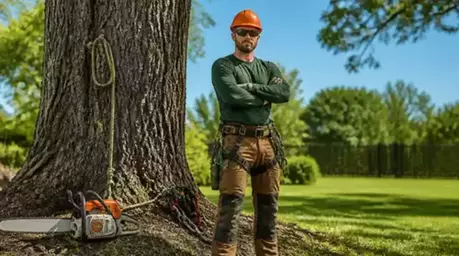
- Safety Gear: Wear protective gear, including helmets and gloves.
- Training: Consider taking courses or workshops to enhance your skills.
Additional Resources for Implementing Tree Care Standards
To help you further, I recommend exploring the following resources:
- Online Courses: Many organizations offer training on tree care practices.
- Guidance Documents: Look for manuals and guidelines from trusted arborist associations.
- Local Workshops: Participate in community events focused on tree care and maintenance.
The Importance of Certifications and Education in Tree Care
Finally, never underestimate the value of education in tree care! Certifications from reputable organizations demonstrate a commitment to best practices and safety. Whether you’re a homeowner or an arborist, investing in education can lead to better tree care outcomes. For more details on what to look for, explore tree service certifications explained.
In conclusion, let’s work together to promote responsible tree care practices that benefit our communities and the environment. By staying informed and engaged, we can ensure the health of our trees for generations to come!
Recap of Key Points
Here is a quick recap of the important points discussed in the article:
- Understanding tree care standards is essential for maintaining healthy trees and improving community landscapes.
- Tree care standards vary by region, influenced by local climate and community values, impacting tree health and biodiversity.
- The historical context of tree care standards helps us appreciate their evolution and relevance today.
- Visual tools and interactive elements, such as global comparison tables, enhance understanding of tree care practices.
- Adhering to safety guidelines and best practices in tree management is crucial for both homeowners and professionals.
- Education and certification in arboriculture are vital for promoting responsible tree care and compliance with standards.