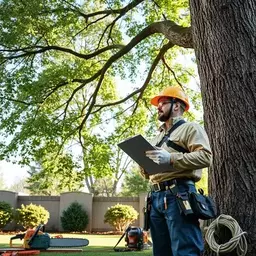
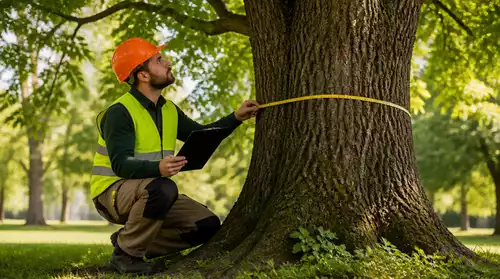
Have you ever stood under the shade of a tree and wondered about its health? The truth is, your beloved trees might need more care than you realize. Regular professional inspections can play a crucial role in maintaining their vitality. Let's delve into the vital lessons about tree care and the importance of seeking expert advice for tree health.
Key Takeaways
- Professional tree inspections help identify potential issues early, preventing escalation into severe health problems.
- Regular assessments can detect pests, diseases, and structural weaknesses that homeowners might overlook.
- Establishing a routine inspection schedule based on tree type and age ensures optimal care and safety.
- Routine inspections can prevent property damage and reduce liability risks by identifying hazardous conditions.
- Investing in regular inspections is often more cost-effective than waiting for emergency treatments or tree removals.
- Understanding soil quality, pest management, and fungal disease detection are key components of comprehensive tree health assessments.
- Choosing a certified arborist with relevant experience and positive reviews is crucial for effective tree care.
- DIY checks can be helpful but should complement, not replace, professional assessments for thorough tree health monitoring.
Key Benefits of Professional Tree Inspections
Understanding the advantages of professional tree inspections can significantly impact the health and safety of your trees. Below are some crucial insights represented visually.
Early Detection of Pests and Diseases
Professional inspections help identify potential pest infestations and diseases early, preserving tree health.
Risk Assessment for Safety
Regular assessments mitigate risks associated with hazardous trees, ensuring safety for property and people.
Proactive Care Saves Money
Investing in routine inspections can prevent costly repairs and enhance property value.
Enhancing Tree Longevity
Regular monitoring enables timely interventions, promoting longer life spans for trees.
The Importance of Regular Tree Inspections by Professionals for Tree Health
When we think about our beautiful trees, we often take their health for granted until something goes wrong. Regular tree inspections by professionals are essential for maintaining tree health and ensuring they thrive in our environments. At Arborist Atlas, we believe that understanding the importance of these inspections can help every homeowner make informed decisions about their tree care needs. For more details on how to find local arborists easily, visit our blog.
Have you ever noticed a change in your tree but weren’t sure if it was a cause for concern? This is where professional tree inspections come into play! They help identify potential issues before they escalate, making it easier for you to keep your trees healthy and robust.
Understanding Tree Inspections and Their Role in Maintenance
Tree inspections are thorough assessments conducted by trained arborists to evaluate the overall health and condition of your trees. These inspections typically focus on tree structure, health, and potential risks, ensuring that your trees receive the care they need. At Arborist Atlas, we connect you with certified professionals who are well-equipped to perform these inspections effectively.
During a professional tree inspection, the arborist looks for various signs, including pest infestations, disease symptoms, and even structural weaknesses. Their expertise allows them to provide insights that you might overlook as a homeowner. To learn more, delve into understanding professional tree care.
Defining Professional Tree Inspections
A professional tree inspection involves a series of evaluations that assess the condition of your trees. Certified arborists typically follow recommended guidelines to ensure a comprehensive analysis. This helps in pinpointing issues and crafting a management plan tailored to your tree's needs.
It's important to remember that these inspections are not just about identifying problems; they also celebrate the overall health of your trees. A well-maintained tree can add beauty and value to your property!
Key Elements Included in a Professional Inspection
- Visual assessment of the tree's overall health
- Identification of pests and diseases
- Structural integrity evaluation
- An examination of the root system
- Soil quality and condition assessment
Each of these components plays a vital role in understanding how your tree is doing. Think of it as a regular check-up for your trees! Just like we visit the doctor for routine health checks, your trees deserve the same level of care.
Identifying the Benefits of Regular Tree Inspections
Regular tree inspections yield numerous benefits that can significantly enhance the health and longevity of your trees. By staying proactive, you can address issues before they turn into costly repairs or replacements. At Arborist Atlas, we emphasize the importance of being ahead of the curve with your tree's health.
One key advantage is the early detection of diseases and pests. A professional arborist can spot these issues early on, allowing you to take necessary action promptly. This not only helps in preserving the health of your tree but also sustains the beauty of your landscape.
Early Detection of Diseases and Pests for Tree Longevity
One of the main reasons to schedule regular inspections is for the early detection of problems. Here are some key points to consider:
- Identifying pest infestations before they spread
- Spotting disease symptoms early to reduce treatment options
- Monitoring tree growth patterns to ensure health
By catching these issues early, you can save both time and resources. Your trees will thank you for it!
Preventing Property Damage through Routine Assessments
Another significant benefit of regular inspections is the prevention of potential property damage. Trees that are not assessed regularly can become hazardous—especially during storms or high winds. With professional evaluation, you can:
- Identify weak branches at risk of breaking
- Assess tree lean and possible root problems
- Manage tree placement near structures or power lines
Proactive measures can be your first line of defense against unexpected expenses and property damage!
Enhancing Safety with Structural Stability Checks
Finally, the safety of your family and property is paramount. Regular tree inspections help ensure that your trees are structurally stable and safe. Arborists will look for:
- Cavities or decay in the trunk
- Weak branch unions that may fail
- Overall stability of the root system
When you engage in proactive tree care, you reduce risks and foster a safer environment for everyone around!
Cost Savings Through Proactive Tree Care
Engaging in regular tree inspections is not only beneficial for the health of your trees but also for your wallet. Investing in routine checks can lead to significant cost savings over time. As a homeowner, it’s essential to consider the long-term benefits of proactive care.
By prioritizing regular tree inspections, you can budget more effectively and avoid unexpected costs. It’s like having an insurance policy for your trees!
Budgeting for Regular Inspections vs. Cost of Damage
When you weigh the costs, regular inspections often come out on top!
- Inspection costs are typically lower than emergency tree removals.
- Regular assessments can reduce the need for extensive treatments.
- Healthy trees enhance property value—an investment worth making!
Remember, the small investment in professional inspections can save you money in the long run.
Reducing Liability and Risks for Property Owners
Regular tree inspections can significantly reduce liability risks for property owners. A well-maintained tree is less likely to cause harm to people or property. By being proactive, you:
- Mitigate risks associated with falling branches
- Protect your property from potential damages
- Enhance your reputation as a responsible homeowner
Being proactive not only protects your trees but also your peace of mind!
How Often Should Trees Be Inspected?
Understanding how often to schedule tree inspections will depend on various factors, including the type and age of the tree. At Arborist Atlas, we recommend tailoring your inspection schedule to meet the unique needs of your trees.
While young trees may require less frequent checks, mature trees often benefit from more regular assessments to ensure their ongoing health and safety.
Inspection Frequency Based on Tree Type and Age
Here are some general guidelines for inspection frequency:
- Young trees (1-3 years old): Every 2 years
- Mature trees (4-10 years old): Annually
- Older trees (over 10 years old): Bi-annually
By following these guidelines, you can ensure your trees are monitored properly through their different life stages!
Seasonal Considerations for Scheduling Inspections
Seasonality plays a crucial role in tree health assessments. Here are some tips to consider:
- Spring: Ideal for checking new growth and pest presence.
- Summer: Perfect for assessing overall health and structural stability.
- Fall: Important for evaluating tree health before winter conditions.
- Winter: Great for visual assessments when trees are dormant.
By timing inspections with the seasons, you can get the best insights into your trees’ health throughout the year!
Essential Components of a Comprehensive Tree Health Assessment
To ensure a thorough assessment of your trees, it’s essential to include various components in your inspection. This not only helps in understanding tree health but also guides necessary actions.
At Arborist Atlas, we appreciate the intricacies involved in a well-rounded tree health assessment. To gain further insight, explore what to expect during a tree assessment.
Soil Analysis and Its Impact on Tree Health
Soil quality is fundamental to tree health! A professional inspection should include:
- Testing soil pH levels
- Checking nutrients and organic matter
- Evaluating drainage and moisture levels
By understanding the soil conditions, arborists can recommend the best practices for nurturing healthy trees.
Pest Management Strategies During Inspections
Tree inspections also allow for the development of pest management strategies. Arborists will:
- Identify potential pest threats
- Recommend preventive measures
- Outline treatment options for existing infestations
Staying ahead of pests can make all the difference in maintaining tree health!
Understanding Fungal Diseases and Their Detection
Fungal diseases can wreak havoc on trees, but early detection can mitigate damage. During inspections, arborists will look for:
- Signs of fungal growth on the bark
- Discoloration in leaves or branches
- Visible decay in wood
By identifying these signs, you can take proactive steps to manage tree health effectively.
Choosing the Right Certified Arborist
Finding the right certified arborist is crucial for effective tree care. At Arborist Atlas, we guide you through what to look for when seeking a professional to handle your tree inspections.
Having the right expert by your side can make all the difference in ensuring your trees are well cared for!
What to Look for in a Professional Arborist
When selecting an arborist, consider these key factors:
- Relevant certifications and training
- Experience within your local area
- Positive customer reviews and recommendations
Choosing an arborist with a solid reputation can boost your confidence in their ability to care for your trees.
Questions to Ask When Hiring an Arborist
Always come prepared with questions when hiring an arborist! Here are a few you might consider:
- What is your experience with my specific tree types?
- Can you provide references from past clients?
- What safety protocols do you follow during inspections?
These questions can help clarify your expectations and ensure that you select the right expert for the job! For a comprehensive guide, check out key questions when hiring arborists.
The Importance of ISA Certification and ANSI A300 Standards
Lastly, ensure that the arborist you choose is ISA certified. This certification indicates a commitment to high standards in tree care practices. Additionally, adherence to ANSI A300 standards demonstrates their dedication to safety and quality in their services.
By prioritizing professional certifications, you are investing in the longevity and health of your trees!
Pro Tip
To maximize the benefits of your tree inspections, consider keeping a detailed log of your observations and any recommendations from your arborist. This allows you to track changes over time and provides valuable information for future inspections. Remember, consistency in monitoring can lead to earlier detection of potential issues!
Comparing Professional Inspections with DIY Checks
When it comes to tree care, many homeowners may feel tempted to conduct their own visual inspections. But, did you know that while DIY checks can be helpful, they often miss the mark in identifying serious problems? Relying solely on your observations might overlook crucial signs of distress that only a trained arborist can detect. Let's dive into the limitations of these DIY efforts and understand why professional inspections are essential.
Understanding the Limitations of DIY Visual Inspections
It’s great to be proactive about your trees, but there are common signs of tree health issues that require expert attention. Here’s a quick list of indicators that signal you should call in the professionals:
- Discoloration or unusual leaf drop
- Visible cracks or splits in the trunk
- Unexplained wilting or stunted growth
- Presence of pests or fungal growth on the bark
While you can certainly keep an eye out for these signs, a professional arborist brings specialized knowledge and tools to assess the overall health of your trees. They can also identify subtle symptoms that may not be obvious to the untrained eye, making their insights invaluable. For more about recognizing when to seek help, consider indicators for professional tree services.
A Visual Checklist for Homeowners on Tree Health Monitoring
If you want to stay involved in your tree's health while waiting for the next professional inspection, here's a simple visual checklist you can follow:
- Check for leaf color and texture—are they vibrant or pale?
- Look for signs of decay or fungi on the bark.
- Inspect branches for any dead limbs or abnormal growths.
- Monitor the soil around the base—does it appear dry or overly saturated?
This checklist can empower you to actively participate in your tree care journey while still recognizing the need for expert evaluation.
Tree Risk Assessment: A Critical Component of Professional Inspections
One of the most important aspects of a professional tree inspection is the risk assessment. Arborists have the training to identify hazardous trees and their associated risks, which is something a casual observer might miss. For example, they can evaluate factors such as:
- Tree species and its typical growth patterns
- Location in relation to structures and people
- Overall stability and health of the tree
Understanding these factors allows homeowners to make informed decisions about necessary actions, ensuring the safety of their property and loved ones.
Structural Integrity Checks: What to Expect
During a professional inspection, you can expect thorough structural integrity checks. Arborists will assess key elements, including:
- The alignment and lean of the tree
- Root structure and potential damage
- Canopy condition and branch integrity
These evaluations help determine if a tree is at risk of falling or causing damage, allowing for timely intervention. The peace of mind that comes from knowing your trees are safe is priceless!
Frequently Asked Questions about Tree Inspections
What are the primary benefits of professional tree inspections?
Professional tree inspections offer several key benefits, including early detection of pests and diseases, risk assessment to ensure safety, proactive care that saves money in the long run, and enhanced structural stability for the tree.
How often should I schedule a professional tree inspection?
The frequency of inspections depends on the tree's type and age. Young trees (1-3 years old) may need checks every two years, mature trees (4-10 years old) annually, and older trees (over 10 years old) bi-annually. Seasonal considerations, such as checking new growth in spring or overall health in summer, also play a role.
What key elements are included in a comprehensive professional tree inspection?
A comprehensive professional inspection typically includes a visual assessment of the tree's overall health, identification of pests and diseases, evaluation of structural integrity, examination of the root system, and assessment of soil quality and condition.
How can regular tree inspections save money?
Regular inspections can lead to significant cost savings by identifying and addressing issues early, preventing them from escalating into costly emergency removals or extensive treatments. They also reduce liability risks by mitigating potential property damage from hazardous trees.
What should I look for when choosing a certified arborist?
When selecting an arborist, look for relevant certifications (like ISA certification), experience in your local area, and positive customer reviews. It's also advisable to ask about their experience with your specific tree types, references, and safety protocols.
Conclusion: Ensuring Tree Health and Safety through Regular Inspections
In conclusion, while DIY checks offer some level of engagement in tree care, the expertise that comes with professional inspections is irreplaceable. Regular assessments by certified arborists ensure that you can catch potential issues early, thereby protecting the health and integrity of your trees. At Arborist Atlas, we believe in empowering homeowners like you with the knowledge needed to maintain your greenspaces effectively, so don’t hesitate to reach out for expert advice!
Summarizing the Key Benefits of Professional Tree Inspections
To summarize, professional tree inspections provide essential benefits such as:
- Early detection of pests and diseases
- Risk assessment for safety
- Proactive care that saves money in the long run
Regular inspections lead to healthier trees, safer environments, and ultimately, happier homeowners!
Encouraging Proactive Tree Care for Peace of Mind
Let’s not forget—being proactive about tree health means greater peace of mind for you and your loved ones. If you have concerns about your trees, reach out to a certified arborist today! With Arborist Atlas by your side, you’ll have the resources and guidance to make confident decisions about your tree care.
Recap of Key Points
Here is a quick recap of the important points discussed in the article:
- Regular tree inspections by certified arborists are crucial for maintaining tree health and preventing potential issues.
- Professional inspections include assessments of tree structure, health, pests, diseases, and soil quality.
- Early detection of problems can save you time and money while enhancing the aesthetic value of your property.
- Routine evaluations help prevent property damage and ensure safety by identifying weak branches and structural issues.
- Investing in regular inspections can reduce long-term costs associated with emergency tree removals and extensive treatments.
- Tailor inspection frequency based on tree type and age, with young trees needing checks every two years and older trees more frequently.
- Properly selecting a certified arborist involves checking for relevant certifications, experience, and positive customer reviews.