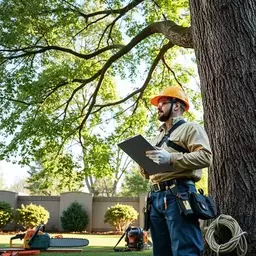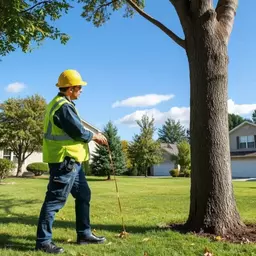

When navigating tree service contracts, clarity is your best ally. Every detail, from the scope of work to payment terms, can impact your experience and expenses. Being informed empowers you to make sound decisions, ensuring your tree care needs are met efficiently and safely.
What You Will Learn
- The importance of clearly defining the scope of work in a tree service contract to avoid misunderstandings.
- How specificity in contract details protects both homeowners and service providers, minimizing the risk of disputes.
- The differences between flat fees and hourly rates for tree services, and which option may be best for your budget.
- Key components of cost estimates that help you understand where your money is going, including labor and materials.
- The significance of understanding payment terms such as deposits and late fees to avoid financial surprises.
- How utilizing checklists can streamline your contract review process and ensure no critical details are overlooked.
- The value of comparing multiple bids to assess quality and pricing, helping you choose the best service provider.
- The importance of ongoing communication with your tree service provider to build trust and ensure satisfaction throughout the project.
Evaluating Pricing Structures for Tree Services
Understanding pricing structures is crucial for avoiding unexpected costs. Below is a visual representation comparing the two primary payment methods in tree service contracts: Flat Fees and Hourly Rates. For more insights on navigating these agreements, it's beneficial to know how to choose arborist service contracts carefully.
Flat Fees
A set price for the entire job, providing clarity on costs and minimizing unexpected expenses.
Hourly Rates
Charges based on the time taken, which can vary depending on the complexity of the work.
Additional Costs
Always inquire about potential extra costs such as disposal fees or additional services.
Understanding Deposits
Most providers require a deposit to secure your service date; knowing the amount is crucial.
Understanding Tree Service Contracts: Key Components to Review
When it comes to hiring a tree service, understanding the details within your contract is essential. A well-reviewed contract can save you from unexpected costs and ensure that your expectations are met. Let's dive into some key components that you should always pay attention to when reviewing a tree service contract.
One of the first things to consider is the scope of work. This section clearly outlines what services the arborist will provide. Whether it's tree trimming, removal, or stump grinding, being clear on what is included helps eliminate confusion later on.
Defining the Scope of Work for Tree Services
The scope of work is like the roadmap for your project. It should specify not just what tasks will be performed, but also how they will be done. For instance, will the tree be removed entirely, or just pruned? Understanding this can help you gauge whether the service meets your expectations.
In addition, details about the equipment used and safety measures taken should be included. This is especially important because tree care can involve significant risks. A well-rounded contract will ensure that the arborist takes responsibility for safety measures. For more information on what questions to ask when hiring an arborist, check out our guide on key questions to ask when hiring arborists.
What Does the Scope of Work Include?
- Tree trimming and pruning
- Tree removal and disposal
- Stump grinding
- Debris cleanup and disposal
Each of these items should be clearly defined in the contract to avoid any misunderstandings. If you're unsure about any terms, don't hesitate to ask your arborist for clarification!
Importance of Specificity in Contract Details
Specificity in contract details is crucial. A vague contract can lead to disputes later on. For example, if the contract states “tree removal” without specifying which trees or the method, it could result in unexpected surprises during the project.
Remember, the more detailed the contract, the better it protects both you and the service provider. It ensures that everyone knows what to expect, making the process smoother and more efficient.
Evaluating Pricing and Payment Terms in Tree Service Agreements
Now that you understand the scope of work, it's time to look at pricing and payment terms. Understanding these components can help you avoid any unpleasant financial surprises.
Be sure to clarify whether the pricing is a flat fee or based on hourly rates. This distinction can significantly affect your overall expenses, especially if the job takes longer than anticipated.
Comparing Flat Fees vs. Hourly Rates
- Flat fees: A set price for the entire job, which can provide clarity on costs.
- Hourly rates: Charges based on the time taken, which can vary depending on the complexity of the work.
When discussing payment, make sure to ask about any potential extra costs, such as disposal fees or costs for additional services that may arise.
Understanding Deposits, Total Costs, and Late Payment Terms
Most tree service providers require a deposit to secure your service date. Understanding how much this deposit is and when the remaining balance is due is vital. You don't want to be caught off guard when the final bill arrives!
Also, look into any late payment terms. Knowing the consequences of delayed payments can help you plan your budget accordingly.
Understanding Cost Estimates and Payment Terms
Next up, let’s break down cost estimates and payment terms further. A comprehensive estimate should provide a clear picture of what you’re paying for.
Cost estimates should break down various components, such as labor, materials, and any additional fees. This way, you can see exactly where your money is going, which adds another layer of transparency.
Breaking Down Cost Estimates for Tree Services
- Labor costs: The amount charged for the work performed.
- Materials: Specific tools or equipment required for the job.
- Miscellaneous fees: Any extra charges that may apply.
With a clear breakdown, you can feel more confident about the costs involved and hold the arborist accountable for their pricing.
Common Payment Terms in Tree Service Contracts
Payment terms can vary from one company to another, and it's important to understand what works best for you. Some common payment terms include:
- Payment upon completion of the service
- Installments based on project milestones
- Payment in full before or after the work
Understanding these terms can help you manage your budget effectively and ensure a smooth transaction with your chosen provider.
Assessing Risk and Liability in Tree Service Contracts
Understanding the risks associated with tree services is as important as comprehending the pricing and scope of work. As an arborist, I've seen the importance of having liability coverage in place to protect both the service provider and the homeowner. Let’s explore this topic in depth! For peace of mind, it's essential to understand why tree service insurance matters.
Interactive Poll: Your Experience Matters!
Have you ever had to review a tree service contract? Share your thoughts with us!
Frequently Asked Questions About Tree Service Contracts
Final Thoughts on Reading Tree Service Contracts Effectively
Understanding tree service contracts can feel overwhelming, but remember, you’re not alone in this! At Arborist Atlas, I aim to demystify these agreements so you can make informed choices. Whether you are hiring for routine maintenance or a more complex job, having the right information will empower you to engage with service providers confidently.
Utilizing checklists can significantly enhance your contract review process. By following a structured approach, you can ensure that nothing important slips through the cracks. I recommend creating a personal checklist to help guide your review and keep track of essential elements in the contract.
Utilizing Checklists and Templates for Better Understanding
When reviewing a tree service contract, having a personal checklist can make all the difference. This list can include key components to look for, such as:
- Scope of work detailed clearly
- Pricing structures explained
- Insurance requirements outlined
- Cleanup and disposal obligations specified
These items will not only help you feel more organized but will also ensure you know what to expect from your service provider. Plus, if you’re interested in templates, Arborist Atlas provides downloadable resources that can aid you in this process.
Creating a Personal Checklist for Contract Review
Creating your checklist is simple! Start by reviewing the contract and writing down any sections that seem vague or unclear. Then add items based on the components I mentioned earlier. This will help you focus on the critical details that can impact your tree care outcomes.
Additionally, consider including questions you want to ask the contractor. This proactive approach will ensure you’re prepared when it comes time to discuss the contract and services offered. To further assist you, consider these key questions when hiring arborists.
Downloadable Sample Contract and Checklist Resources
To assist you further, I’ve curated downloadable sample contracts and checklists available through Arborist Atlas. These resources are designed to help clarify the nuances of tree service contracts, making your review process smoother. By having a solid reference, you can approach your contract discussions with more confidence!
Making Informed Decisions When Hiring Tree Service Providers
When it comes to making informed decisions, comparing multiple bids can be invaluable. Don't rush into signing a contract with the first company you find! Take the time to:
- Evaluate the scope of work provided in each bid
- Consider pricing and payment terms
- Check for insurance and safety standards
By comparing these elements, you can identify the best value and service quality for your needs. Remember, the cheapest option isn’t always the best choice for your trees!
Understanding Your Rights and Responsibilities in Tree Service Contracts
Knowing your rights and responsibilities is crucial when entering a tree service contract. Each agreement should specify what you can expect from the service provider and what they expect from you in return. This understanding fosters a better working relationship and keeps everyone accountable.
Take the time to read through the contract thoroughly to ensure you are comfortable with the terms. If anything feels off, don’t hesitate to ask questions before signing.
Quality Assurance and Customer Reviews
Quality assurance is key when it comes to tree services. It’s essential to choose providers who are dedicated to maintaining high standards. An excellent way to assess the quality of a tree service is by looking at:
- Customer reviews and testimonials
- Before and after photos of completed jobs
- Certifications or memberships in professional associations
These indicators can provide insight into the service provider’s reliability and professionalism, allowing you to make a more informed decision. You can also explore how to find local arborists easily for reliable service.
Leveraging Customer Reviews for Informed Choices
Don’t underestimate the power of customer reviews! They can be a goldmine of information that helps you gauge the experiences of others. Look for patterns in feedback related to communication, quality of work, and overall satisfaction. This will give you a clearer picture of what to expect, guiding you toward making the right choice for your tree care needs.
Engaging with Your Tree Service Provider
Once you’ve selected a tree service provider, it’s time to focus on building a trusting relationship. Engagement doesn’t stop at signing a contract; it’s essential to maintain a line of communication throughout the job. Establishing this connection fosters a positive experience for both parties.
Building a Trusting Relationship with Transparency
Transparency is the foundation of a healthy working relationship. Keep an open dialog with your provider and ask for updates, especially if any issues arise during the job. I encourage clients to be proactive in their communication, as this helps ensure that both you and the arborist are aligned on expectations.
Ongoing Communication and Feedback Mechanisms
Consider establishing regular check-ins during the project to address any concerns or changes. This open channel can lead to better outcomes and greater satisfaction with the services provided. You might even find that your arborist appreciates the feedback!
Ensuring Satisfaction with Completed Tree Services
Finally, once the job is complete, take the time to review the work done. Ensure everything aligns with the scope outlined in your contract. If you’re satisfied, don’t hesitate to share your positive experience through reviews! Sharing your journey helps others make informed choices, just like you did.
Recap of Key Points
Here is a quick recap of the important points discussed in the article:
- Scope of Work: Clearly define the tasks to be performed, including tree trimming, removal, and stump grinding.
- Specificity in Contracts: Ensure all details are explicitly stated to avoid disputes and misunderstandings.
- Pricing Clarity: Understand whether the pricing is a flat fee or based on hourly rates, and inquire about any potential extra costs.
- Payment Terms: Familiarize yourself with common payment structures, deposits, and late payment terms to manage your budget effectively.
- Assessing Risk: Verify that the service provider has liability coverage to protect both parties involved.
- Utilizing Checklists: Create a personal checklist to guide your review of the contract and ensure all key components are considered.
- Comparing Bids: Evaluate multiple bids based on scope, pricing, and safety standards before making a decision.
- Customer Feedback: Look at reviews and testimonials to gauge the quality and reliability of the service provider.
- Ongoing Communication: Establish a transparent relationship with your arborist, maintaining open lines of communication throughout the project.