Did you know that trees play a crucial role in combating climate change? Planting the right trees can transform not just your landscape but also contribute positively to the environment. When it comes to tree planting, hiring professionals can ensure a thriving future for your greenery and the ecosystem as a whole.
What You Will Learn
- How hiring professional arborists can significantly enhance tree health and longevity.
- The essential steps involved in the professional tree planting process, ensuring a successful outcome.
- Why native tree species are preferable for local ecosystems and how they contribute to biodiversity.
- The importance of proper soil preparation and ongoing care for newly planted trees.
- Common mistakes to avoid when planting trees, especially in DIY projects.
- The environmental benefits of tree planting, including carbon sequestration and air quality improvement.
- How community involvement in tree planting can foster a sense of responsibility toward the environment.
Key Steps in the Professional Tree Planting Process
Engaging professional tree planting services involves a detailed process that ensures optimal tree health and growth. Below is a visual representation of the key steps in this process. For more insights into selecting the right experts, you might want to consider key questions when hiring arborists.
1. Site Assessment
Evaluate soil, sunlight, and drainage conditions to ensure a suitable planting environment.
2. Tree Selection
Choose tree species based on local climate and personal preferences.
3. Preparation
Amend soil and prepare the planting site.
4. Planting
Professionals plant the tree using proper techniques for stability.
5. Initial Care
Provide watering and mulching instructions to support early growth.
6. Aftercare
Establish a maintenance plan for ongoing tree care.
Understanding Tree Planting Services: A Comprehensive Overview
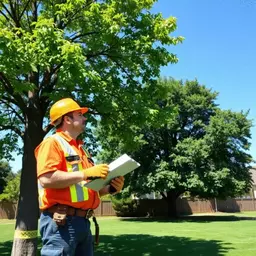
When it comes to tree planting, hiring professionals can make all the difference! While some may feel tempted to tackle this task on their own, the expertise of a trained arborist brings a wealth of knowledge and experience that is hard to replicate. Not only do professionals understand the nuances of tree health, but they also ensure that the planting is done in a way that promotes long-term growth and sustainability.
Why take the risk with DIY tree planting when skilled professionals are just a call away? They can help you avoid common mistakes that might hinder your tree’s development or even lead to its premature demise. Think about it: investing in a tree is a commitment, and you want to set your green investment up for success! Understanding the importance of professional tree care can save you time and money in the long run.
The Importance of Professional Tree Planting
Professional tree planting isn’t just about putting a tree in the ground; it encompasses a comprehensive approach to ensure that the tree thrives. Here are some key benefits of hiring a professional:
- Expert Guidance: Professionals can assess your specific landscape needs to choose the right tree species.
- Soil Preparation: They understand the importance of soil quality and how to amend it for optimal growth.
- Proper Techniques: Experts know the best planting techniques to ensure stability and health.
- Post-Planting Care: Professionals provide essential aftercare tips to nurture your new tree.
Imagine, for instance, that you’ve decided to plant a beautiful oak tree. A knowledgeable arborist can guide you through the entire process, from selecting the right planting location to ensuring the soil is well-drained. This level of care not only enhances your landscape but also contributes to the overall health of your community’s ecosystem.
Navigating the Tree Planting Process: What to Expect
So, you’ve decided to hire a professional for tree planting—what comes next? Understanding the step-by-step process can help you feel informed and confident about your decision. Each phase of tree planting is crucial, so let’s break it down:
Step-by-Step Breakdown of Professional Services
Here’s an overview of what you can expect when engaging with a professional tree planting service:
- Site Assessment: Evaluating the location for soil quality, sunlight exposure, and drainage.
- Tree Selection: Choosing the right species based on your preferences and local climate.
- Preparation: Amending the soil and marking utilities to ensure a safe planting environment.
- Planting: Professionally placing the tree in the ground using the right techniques.
- Initial Care: Providing tips on watering and mulching to support the tree's early growth.
- Aftercare: Setting up a maintenance plan for continued care and monitoring.
With this structured approach, you’ll not only plant a tree but also contribute to its longevity and health! By choosing to engage professionals like those at Arborist Atlas, you’re taking a proactive step toward enhancing your landscape sustainably. For more detailed insights into this, you can learn about how to find local arborists easily.
Site Assessment: Preparing for Success
A thorough site assessment is crucial for successful tree planting. Professionals will conduct soil tests to evaluate its pH and nutrient levels, ensuring it’s suitable for the tree you plan to plant. They’ll also mark utility lines to prevent any damage during planting, ensuring safety and compliance.
In addition to these steps, professionals assess the overall environment—taking into account factors like sunlight, wind exposure, and potential competition from nearby plants. This holistic view helps in selecting the right tree species and planting techniques.
Choosing the Right Trees: Native Species and Climate Considerations
When selecting trees, opting for native species offers numerous benefits! Native trees are better adapted to the local climate and soil conditions, making them more resilient and easier to care for. Here’s why native trees should be at the top of your list:
- Support Local Wildlife: Native trees provide habitats and food for local birds, insects, and other wildlife.
- Foster Biodiversity: Planting a variety of native species enhances the ecosystem.
- Lower Maintenance: They generally require less water and fewer fertilizers compared to non-native species.
Understanding hardiness zones is also essential. This information helps determine which trees are most likely to thrive in your specific area, avoiding the frustration of planting a tree that simply can’t withstand local conditions.
Tree Species Selection: Factors to Consider
When selecting tree species, biodiversity should be a top priority. A diverse mix of trees can enhance ecosystem resilience, helping to prevent the spread of disease and pest infestations. Here are factors to consider:
- Growth Rate: Some trees grow faster than others, impacting your landscape sooner.
- Size and Shape: Consider how large the tree will grow and its overall shape.
- Environmental Benefits: Different species offer various ecosystem services, from carbon sequestration to air purification.
Choosing wisely ensures that your tree not only fits visually into your landscape but also contributes to the environment positively.
Preparing the Site: Essential Steps for Optimal Growth
Proper site preparation is crucial for the health of your new tree. This process may include soil amendments to improve fertility, correcting drainage issues to prevent root rot, and marking utilities to avoid accidents. Here’s what to focus on:
- Soil Amendments: Adding organic matter can enhance soil structure and nutrient content.
- Drainage Correction: Ensuring proper drainage helps prevent waterlogging and root diseases.
- Utility Marking: Identifying underground utilities is vital for safety during the planting process.
By following these essential steps, you set the foundation for your tree’s success. Remember, taking the time to prepare the site properly will pay off in the long run!
Initial Planting and Care Techniques
Once the site is ready, the actual planting can begin! Professional arborists use various techniques to ensure the tree is well-positioned and supported during its early growth. Key methods include:
- Mulching: Applying mulch helps retain moisture and suppress weeds.
- Staking: For young trees, stakes may be used to provide support against wind and promote straight growth.
These techniques are crucial during the early stages of your tree’s life, ensuring it has the best chance to thrive and grow robustly.
Understanding Soil Health and Water Management
Soil health plays a vital role in successful tree planting. Healthy soil supports root development and provides essential nutrients. It’s important to regularly check your soil’s condition and make adjustments as necessary.
Water management is equally essential. Newly planted trees require sufficient water, especially during dry spells. Here are some tips for effective water management:
- Deep Watering: Water deeply but infrequently to encourage deep root growth.
- Monitoring: Keep an eye on soil moisture and adjust watering accordingly.
With proper soil health and water management, your tree will be on its way to a healthy and vibrant life!
Pro Tip
Did you know? Engaging with your local arborist not only enhances your tree planting project but also helps you stay informed about the best practices for long-term tree health. Consider scheduling regular check-ins after planting to adapt your care routine based on the tree's growth and environmental changes.
Benefits of Hiring Professional Tree Planting Services
When it comes to planting trees, the advantages of hiring professionals cannot be overstated. Professional tree planting services, especially those led by certified arborists, bring a wealth of knowledge to the table. They understand not just how to plant a tree but also how to ensure it thrives in your specific environment. This expertise is essential for making informed choices about tree species and placement, which are critical for a successful planting project.
By employing professionals, you benefit from their comprehensive understanding of tree health care. Arborists know the best practices for soil preparation, watering techniques, and ongoing maintenance to ensure your trees flourish long after the initial planting. At Arborist Atlas, we connect you with experts who can provide tailored advice and hands-on support throughout the entire process. For comprehensive details on this, explore identifying reliable tree care services.
Professional Expertise: The Role of Arborists
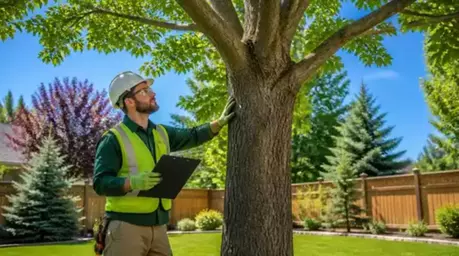
The role of a certified arborist goes beyond the initial planting. These professionals are trained in the art and science of tree care, making them invaluable allies in nurturing your landscape. Here are a few reasons why their expertise is so important:
- Knowledge of Native Species: Arborists can recommend the best tree species for your specific climate and soil conditions.
- Proper Techniques: They utilize appropriate planting techniques to ensure the tree's root system develops well.
- Health Monitoring: Regular inspections by arborists can catch potential problems early, ensuring your trees remain healthy.
Hiring professionals ensures your trees not only survive but thrive, contributing positively to your landscape and the environment.
Ongoing Care and Maintenance: A Commitment to Longevity
Tree planting is just the beginning; ongoing care is essential for the health and longevity of your trees. Professional services often include post-planting care and inspections. Here’s what you can expect:
- Regular Watering: Ensuring your trees receive adequate moisture in their early growth stages is crucial.
- Mulching and Fertilization: Professionals can help with proper mulching techniques and recommend fertilization schedules to nourish the soil.
- Health Check-Ups: Routine inspections can identify and address diseases or pests that threaten your trees.
This commitment to ongoing care helps your trees adapt and grow strong in their new environment, setting the foundation for a vibrant landscape.
Environmental Benefits of Tree Planting
Planting trees is not just an aesthetic choice; it has significant environmental benefits that contribute to a healthier planet. Here are some key points to consider:
- Carbon Sequestration: Trees absorb carbon dioxide from the atmosphere, helping to mitigate climate change.
- Air Quality Improvement: Trees filter pollutants and produce oxygen, leading to cleaner air.
- Habitat Creation: Trees provide shelter and food for various wildlife species, supporting biodiversity.
At Arborist Atlas, we believe that every tree planted is a step towards a healthier and more sustainable environment!
Green Infrastructure and Urban Forestry
Integrating trees into urban settings offers numerous benefits for communities. Trees enhance the aesthetic value of neighborhoods and contribute to a sense of place. Here’s how they improve urban environments:
- Shade and Cooling: Trees provide essential shade that cools urban areas, reducing energy costs.
- Stormwater Management: They absorb rainwater, minimizing runoff and decreasing the risk of flooding.
- Increased Property Values: Well-landscaped areas with trees often see higher property values.
By promoting urban forestry, we can create greener, healthier cities for everyone!
Avoiding Common Pitfalls: Mistakes to Watch Out For
Common DIY Mistakes in Tree Planting
While some may attempt to plant trees themselves, there are common pitfalls that can lead to poor outcomes. Here are a few mistakes to avoid:
- Improper Site Preparation: Failing to clear debris or test soil can hinder tree growth.
- Incorrect Mulching: Too much or too little mulch can harm tree roots.
- Ignoring Spacing: Crowding trees can lead to competition for resources, affecting overall health.
By understanding these common mistakes, you can make informed decisions that benefit your landscape.
Community Engagement in Tree Planting
Volunteer Programs and Community Planting Events
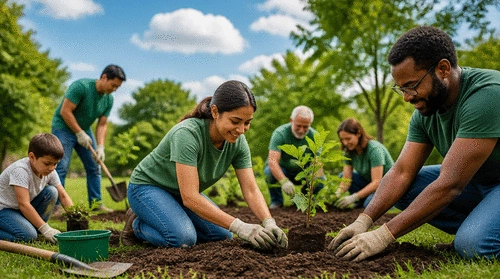
Community involvement is crucial in enhancing tree planting efforts. Engaging local residents fosters a sense of ownership and responsibility toward the environment. Here are some ways you can get involved:
- Join Local Events: Participate in community tree planting days to make a tangible difference.
- Educate Others: Share your knowledge about tree care and the importance of green spaces.
- Start a Group: Organize or join a local tree care group to maintain planted areas.
Community engagement not only enhances tree planting initiatives but also brings people together for a common cause. Let's cultivate a greener future collectively! To understand more about the local advantages of tree care, feel free to visit local tree care advantages.
Key Takeaways and Next Steps for Tree Planting
Evaluating Your Options: Professional vs. DIY
As you contemplate tree planting, consider the cost-benefit analysis of professional services versus DIY. While DIY may seem more affordable, the expertise and long-term care that professionals provide often lead to better outcomes.
Call to Action: Start Your Tree Planting Journey Today
Are you ready to plant some trees? Whether you choose to hire a professional or embark on a DIY project, the journey starts with informed decisions. Explore your local resources, reach out to experts, or consider professional services through Arborist Atlas to ensure your trees thrive!
Frequently Asked Questions About Tree Planting
- Q: Why should I hire a professional for tree planting instead of doing it myself?
- A: Professionals, especially certified arborists, possess extensive knowledge of tree health, proper planting techniques, and long-term care strategies. They can assess your site, select the most suitable tree species, and prepare the soil correctly, ensuring optimal growth and sustainability, which can prevent costly mistakes often associated with DIY projects.
- Q: What are the key steps involved in the professional tree planting process?
- A: The process typically includes a site assessment (soil, sunlight, drainage), tree selection (based on climate and preferences), site preparation (soil amendment, utility marking), professional planting techniques, initial care instructions (watering, mulching), and ongoing aftercare planning for sustained health.
- Q: Why are native tree species preferred for local ecosystems?
- A: Native trees are better adapted to the local climate and soil conditions, making them more resilient and requiring less maintenance (water, fertilizers). They also support local wildlife by providing habitats and food, fostering biodiversity, and enhancing the overall ecosystem.
- Q: What is the importance of proper soil preparation and ongoing care for newly planted trees?
- A: Proper soil preparation involves testing pH and nutrient levels and amending the soil to improve fertility and drainage. Ongoing care, including deep and infrequent watering, proper mulching, and regular health check-ups, is crucial for supporting root development, nutrient absorption, and protecting the tree from diseases and pests, ensuring its long-term health and vitality.
- Q: What environmental benefits do trees provide?
- A: Trees offer significant environmental benefits, including carbon sequestration (absorbing CO2), improving air quality by filtering pollutants and producing oxygen, and creating habitats for various wildlife species, thereby supporting biodiversity. They also contribute to green infrastructure by providing shade, managing stormwater, and increasing property values.
Recap of Key Points
Here is a quick recap of the important points discussed in the article:
- Professional Expertise: Hiring certified arborists ensures proper tree selection, soil preparation, and planting techniques, promoting tree health and longevity.
- Site Assessment: A thorough evaluation of soil quality, drainage, and sunlight is crucial for choosing the right tree species and planting location.
- Ongoing Care: Regular maintenance, including watering, mulching, and health check-ups, is essential for supporting tree growth after planting.
- Environmental Benefits: Trees contribute to carbon sequestration, improved air quality, and biodiversity, making them vital for a sustainable environment.
- Avoiding Common Mistakes: Understanding pitfalls in DIY tree planting, such as improper site preparation and spacing, helps ensure successful outcomes.