Have you ever wondered what makes a tree not just survive but truly thrive in your landscape? The secrets to effective tree care lie in the art of pruning—a practice that goes beyond aesthetics to significantly enhance tree health and vitality. Let's explore the essential techniques that can elevate your tree care game!
What You Will Learn
- The importance of pruning for maintaining tree health, including removing dead or diseased branches and improving air circulation.
- The Four D’s of pruning—Dead, Diseased, Damaged, and Defective—as key concepts for effective pruning decision-making.
- Best practices for pruning, including seasonal timing and the right cutting techniques that cater to specific tree species.
- How proper pruning can enhance new growth, air circulation, and overall tree resilience against diseases and environmental stressors.
Key Principles of Pruning Techniques
Understanding the essential aspects of pruning can significantly enhance the health and longevity of trees. Below are the Four D's of pruning represented visually. For more insights into maintaining tree health, consider learning about understanding professional tree care.
Dead
Branches that are no longer living, easily identifiable by their lack of leaves.
Diseased
Parts of the tree showing signs of illness, such as discoloration or decay.
Damaged
Branches that may be broken or harmed from storms or environmental factors.
Defective
Growth that is poorly formed or weak, leading to potential structural issues.
Foundational Principles of Tree Pruning Techniques
Understanding the foundational principles of tree pruning is essential for anyone looking to maintain healthy and thriving trees. Pruning isn’t just about aesthetics; it plays a critical role in fostering tree health and vitality. With Arborist Atlas, I aim to equip you with the knowledge to make informed decisions about your trees' care!
Have you ever looked at a tree and wondered if it’s in need of a trim? Recognizing when and how to prune can be a game changer. By mastering the basics, you can ensure your trees flourish while enhancing the beauty of your landscape.
Understanding the Importance of Pruning for Tree Health
When it comes to tree care, pruning serves multiple important functions. It helps to remove any dead or diseased branches, promotes better air circulation, and encourages healthy growth. By being proactive with pruning, you can prevent further issues down the line, which ultimately saves you time and money! To hire a professional who can handle these tasks effectively, it's crucial to know the key questions to ask when hiring arborists.
Moreover, pruning can improve the overall structure of a tree, allowing it to withstand strong winds and heavy snowfall. Are you curious about how to recognize when your trees might need a trim? Let's dive deeper into the four key concepts known as the Four D’s of pruning.
Key Concepts: The Four D’s of Pruning
The Four D’s of pruning—Dead, Diseased, Damaged, and Defective—are critical concepts to guide your pruning efforts. By focusing on these categories, you can effectively identify the areas of a tree that require your attention. Here’s what each category means:
- Dead: Branches that are no longer living and can be easily identified by their lack of leaves.
- Diseased: Parts of the tree that show signs of illness, such as discoloration or decay.
- Damaged: Branches that may be broken or harmed from storms or other environmental factors.
- Defective: Growth that is poorly formed or weak, potentially leading to structural concerns.
By keeping these Four D’s in mind, you can prioritize which areas to prune first. This approach not only enhances the tree's health but also contributes to a more beautiful landscape around your home.
Dead, Diseased, Damaged, and Defective: Recognizing Trees' Needs
As an experienced arborist, I often emphasize the importance of recognizing these needs when assessing a tree's health. For example, if you notice a branch that is clearly dead, it's best to act quickly. The longer you wait, the more likely it is that the dead branch could attract pests or diseases that may harm the entire tree. For detailed information on these topics, refer to understanding tree pruning services.
Additionally, being proactive about pruning allows you to shape the tree as it grows. This can lead to a more balanced canopy and can also improve sunlight penetration to lower branches. Together, let’s ensure your trees are not only healthy but also beautiful!
Quick Summary
Here's a brief recap of the key points discussed so far:
- Understanding the importance of pruning for tree health, focusing on the removal of dead, diseased, damaged, and defective branches.
- Mastering timing and techniques for effective pruning, including utilizing the proper cuts and tools tailored to species-specific needs.
- Recognizing how proper pruning practices can promote new growth, enhance air circulation, and ultimately support the longevity and vitality of trees.
Frequently Asked Questions About Tree Pruning
Here are some common questions about tree pruning:
- What is the primary purpose of pruning? Pruning is essential for maintaining tree health, removing dead or diseased branches, improving air circulation, and encouraging healthy new growth.
- What are the "Four D's" of pruning? The Four D's refer to Dead, Diseased, Damaged, and Defective branches. These are the primary categories to identify and remove during pruning to improve tree health and structure.
- When is the best time to prune trees? The ideal timing for pruning depends on the tree species and the desired outcome. Generally, for most trees, dormant pruning (late winter to early spring) is beneficial, but specific species may require pruning during active growth to promote flowering or fruiting.
- How does pruning benefit a tree’s overall health? Proper pruning enhances new growth, improves air circulation, reduces the risk of disease and insect infestations, and strengthens the tree's structural integrity, contributing to its longevity and resilience.
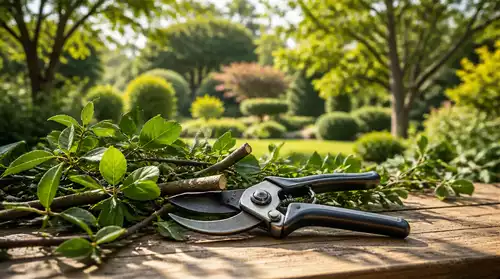
- What tools are needed for effective pruning? Essential tools include hand pruners for small branches, loppers for medium-sized branches, and a pruning saw for larger limbs. Always ensure tools are clean and sharp to make precise cuts and prevent the spread of disease.
Summary of Essential Pruning Techniques
As we wrap up our discussion on tree pruning, let’s recap some of the key principles and best practices we've explored. Pruning isn’t just about cutting branches; it’s a vital process that fosters tree health and vitality. Remember, understanding the four D’s—Dead, Diseased, Damaged, and Defective—is essential for recognizing which parts of a tree need attention. By following these foundational principles, we can help ensure that trees not only survive but thrive in their environments.
Additionally, timing plays a crucial role in effective pruning. Knowing when to prune, whether during dormancy or active growth, can drastically affect the tree's response. Incorporating techniques like the three-cut method for larger branches or the appropriate cuts for thinning and heading will enhance the outcome of your efforts. The right tools, along with careful consideration of species-specific needs, form the backbone of successful pruning practices.
Recap of Key Pruning Principles and Best Practices
To solidify your understanding, here’s a quick list of best practices for effective pruning:
- Always identify and address the four D’s.
- Choose the right season based on the tree type.
- Use the proper pruning cuts for the intended outcome.
- Maintain and sanitize your tools regularly.
- Consider species-specific needs for optimal care.
When you adhere to these principles, you’ll notice a significant improvement in the health and growth of your trees. As an arborist, I’ve seen firsthand how proper pruning can transform landscapes and enhance the beauty of our natural environment!
How Pruning Techniques Support Tree Longevity and Health
Understanding how pruning supports tree longevity is vital for every homeowner and arborist alike. Proper pruning techniques help trees to:
- Promote new growth and fruiting.
- Enhance air circulation and sunlight penetration.
- Reduce the risk of disease and insect infestations.
- Strengthen structural integrity and resilience.
By investing time and care into your pruning routine, you set your trees up for long-term success. Trees that receive regular, thoughtful pruning often live longer and provide greater environmental benefits, which is at the heart of Arborist Atlas's mission—connecting you with the best tree care practices! For more information on finding reliable tree care, check out how to find local arborists easily.
Engagement and Further Learning Opportunities
As we continue our journey into tree care, I invite you to ask questions! Tree pruning can be complex, and no question is too small. Common FAQs often revolve around the best tools to use or how to address specific tree species. Engaging with your community and sharing experiences can also enrich your understanding.
Inviting Questions: Common Pruning FAQs
Here are some common questions I often hear:
- What time of year is best for pruning?
- How do I know if my tree is too young to prune?
- What should I do if I accidentally cut too much?
If you have any additional questions or concerns, please feel free to reach out to me through Arborist Atlas. Together, we can refine our pruning practices!
Encouragement to Share Experiences and Insights on Pruning
I’d love to hear about your own experiences with tree pruning! Have you encountered challenges or learned valuable lessons that could help others? Sharing insights can foster a supportive community of tree care enthusiasts, all working towards healthier trees and landscapes.
Resources for Professional Certification and Tree Risk Assessment
For those interested in taking their knowledge further, I encourage you to explore resources for professional certification and tree risk assessment. Organizations like the International Society of Arboriculture (ISA) offer courses and certifications that can enhance your expertise. This can not only deepen your understanding but also empower you to make informed decisions about tree health in your community. To learn more about identifying trustworthy professionals, read about trustworthy arborist traits to consider.
Remember, at Arborist Atlas, we are dedicated to guiding you in your tree care journey, ensuring that you have the resources necessary to thrive as a tree care professional or passionate homeowner!
Recap of Key Points
Here is a quick recap of the important points discussed in the article:
- Pruning is essential for maintaining tree health and promoting growth.
- Focus on the Four D's of pruning: Dead, Diseased, Damaged, and Defective branches.
- Timing is crucial; prune during the appropriate season for the specific tree type.
- Utilize the correct pruning techniques, such as the three-cut method for larger branches.
- Regularly maintain and sanitize your pruning tools for effective results.
- Consider the unique needs of different tree species for optimal care.